
What Is a Cotton Harvester? A Technical Guide to Core Components and Performance Metrics
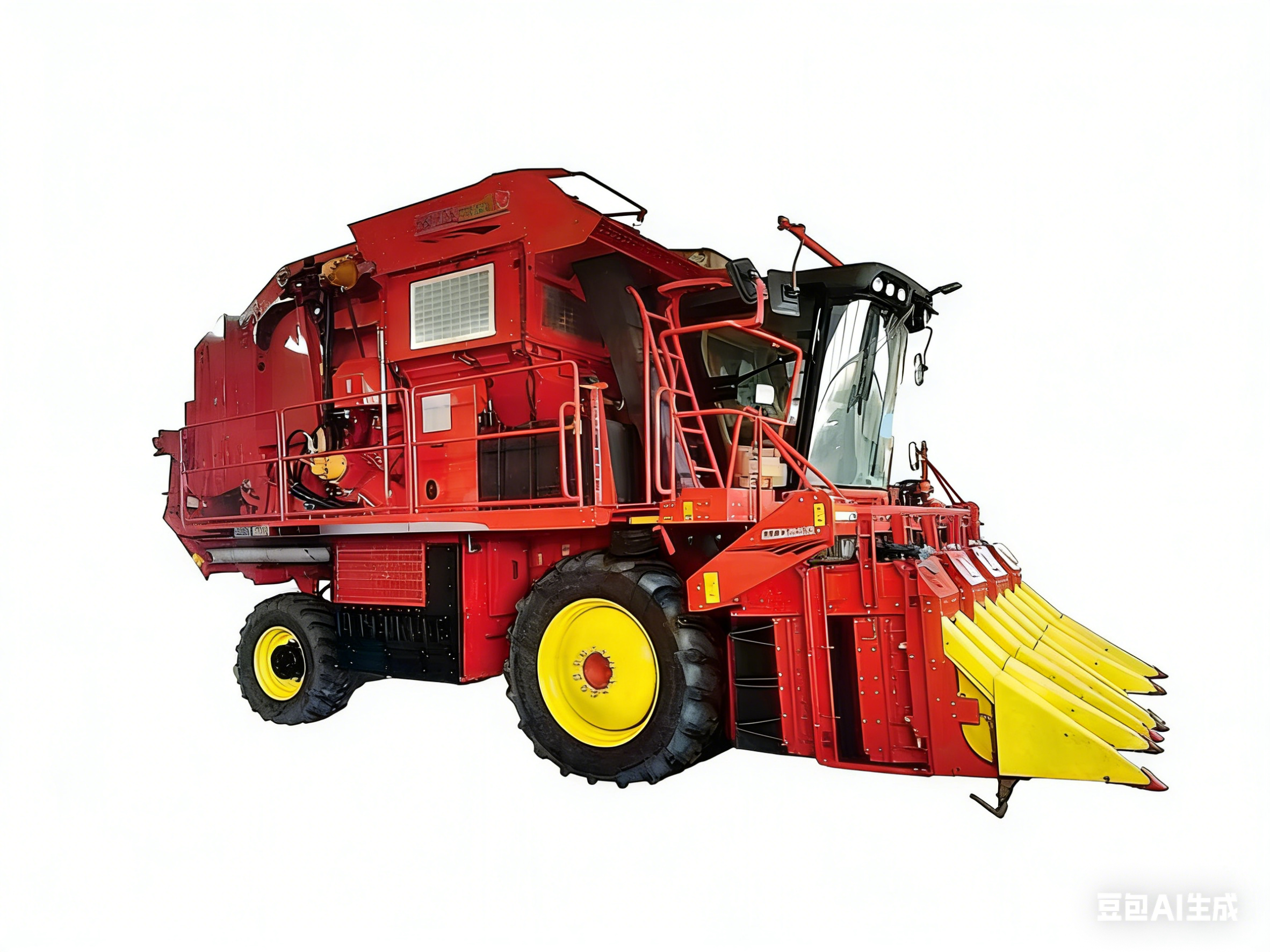
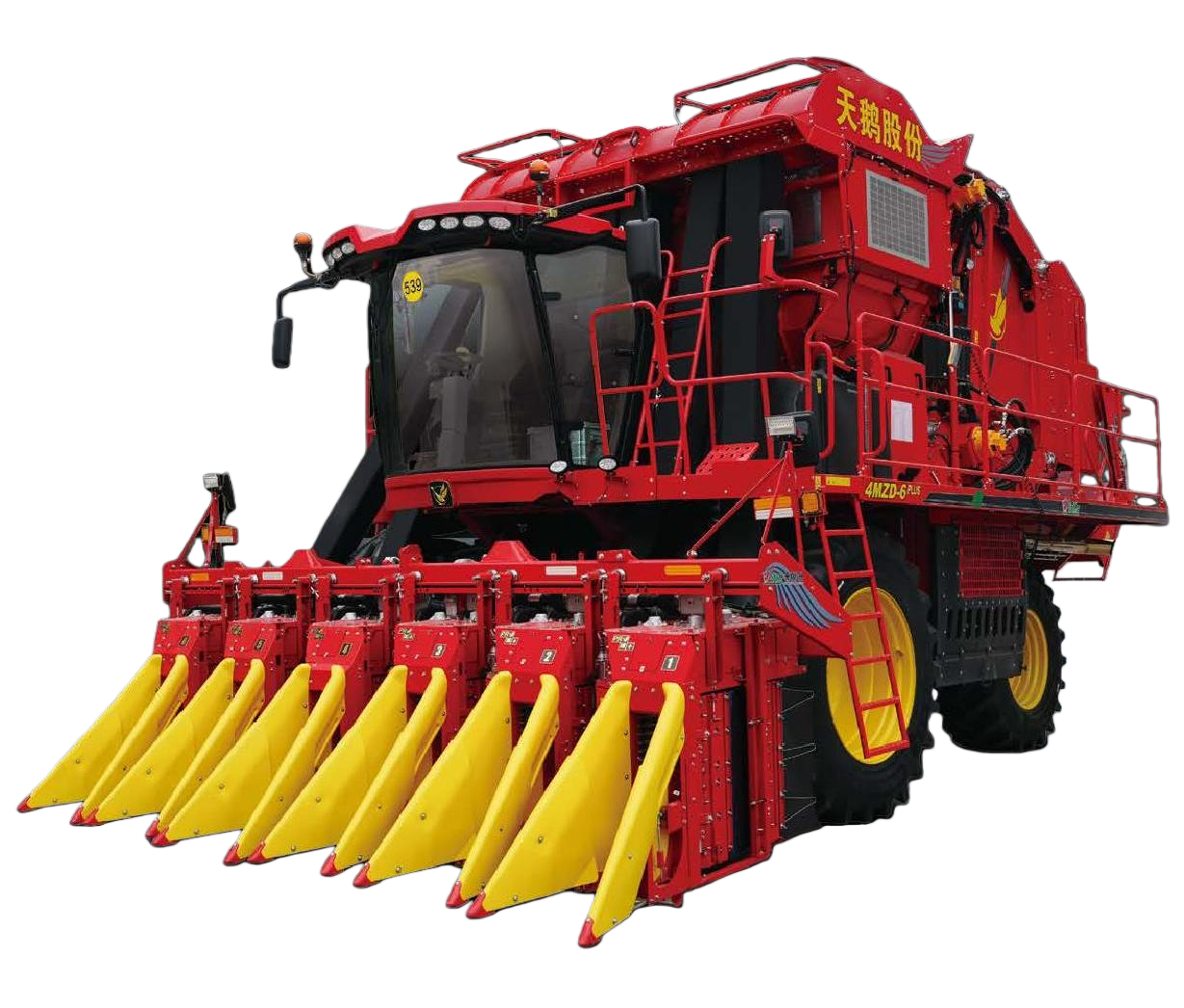
A cotton harvester is an agricultural machine that removes seed cotton from standing cotton plants and collects it into onboard storage — a bulk basket or a wrapped round module — in a single pass across the field. The category rests on two mechanism families: spindle pickers, which selectively pull seed cotton from open bolls, and strippers, which remove bolls together with plant material. Every other design decision — row count, chassis layout, storage format — is a configuration layer applied on top of that core choice.
For procurement teams, the reason to go one level deeper is practical. The subsystem design of a machine determines its field performance, and the same subsystem design determines what a manufacturer must be able to engineer, machine, assemble and support over a machine life. Buyers who understand components can test capacity and delivery claims against evidence rather than reassurance. This guide covers the four mechanical systems that define a cotton harvester — the picking or stripping mechanism, the air conveyance system, the basket or bale module builder, and the chassis and drive configuration — and explains how their design parameters convert into throughput, field efficiency, fuel consumption per hectare and fiber quality.
Problem Definition: Why Row Count and Price Are Not a Specification
Most cotton harvester comparisons stall at the same three data points: number of rows, engine power and purchase price. These are legitimate first filters, but they do not predict field performance, and they say nothing about whether a supplier can deliver a machine on schedule.
Two harvesters advertising the same row count and comparable power can behave very differently in the same field. The difference usually sits in parameters that never appear in a headline: spindle drum speed and doffer timing, air volume and duct routing, basket capacity or bale formation cycle time, and how much hydraulic capacity the chassis can deliver to the row units and the air system at full load. A machine whose air system is undersized for its row count will spend the harvest window clearing blockages. A machine whose picking unit parameters are set for speed rather than cleanliness will push a heavier trash load onto the gin.
The same principle applies to supplier due diligence. When a buyer asks whether a manufacturer's production capacity can match a seasonal requirement, or whether delivery lead time is controllable, those questions are ultimately about subsystem control. A manufacturer that machines its own picking unit components, controls its own assembly process and holds a documented engineering and standards record can answer capacity and lead-time questions with schedules and evidence. A manufacturer that assembles from third-party inputs answers them with estimates.
That distinction — between an answer supported by engineering control and an answer supported by optimism — is what a component-level understanding of the cotton harvester makes visible.
Industry Background: How the Cotton Harvester Category Is Organized
The category is organized along four independent axes. Buyers who separate them avoid comparing machines that were never designed for the same job.
Axis 1 — Mechanism: picker or stripper. A spindle picker uses rotating, moistened spindles to pull seed cotton from open bolls, leaving most of the plant and burr material standing in the field. A stripper removes bolls and attached plant material together. Picking generally delivers cleaner seed cotton; stripping generally delivers higher material throughput with a heavier cleaning load downstream. The mechanism choice follows crop condition, harvest timing and the cleaning capacity available at the gin — not a single abstract ranking of quality.
Axis 2 — Mounting: self-propelled or tractor-mounted. Self-propelled machines carry a dedicated engine and chassis, which allows higher row counts, larger onboard storage and independence from tractor availability during the harvest window. Tractor-mounted units use existing tractor power, which reduces capital exposure and suits smaller or fragmented plots where a dedicated machine cannot be kept busy.
Axis 3 — Row configuration: single row through six rows. The product landscape includes single-row and double-row tractor-mounted cotton harvesters, and three-row, four-row and six-row self-propelled machines. Each step up in row count raises throughput per pass, but also raises transport width, headland turning requirements, unloading frequency and the amount of support equipment needed to keep the machine moving.
Axis 4 — Crop storage: basket type or bale type. Basket type machines hold bulk seed cotton and discharge it into a module builder, boll buggy or trailer. Bale type machines form, wrap and discharge a round module on board. This axis changes the logistics of the entire harvest operation more than any other single decision.
Cotton harvesters also sit inside a broader harvest fleet. Manufacturers that build cotton harvesters alongside grain combine harvesters, corn and maize harvesters, soybean machines and tomato harvesters — including sorting and harvesting tomato harvesters — tend to think in fleet terms, because buyers on mixed-crop operations are matching one machine against a whole seasonal calendar rather than a single crop.
Detailed Breakdown of Core Components
1. The Picking or Stripping Mechanism
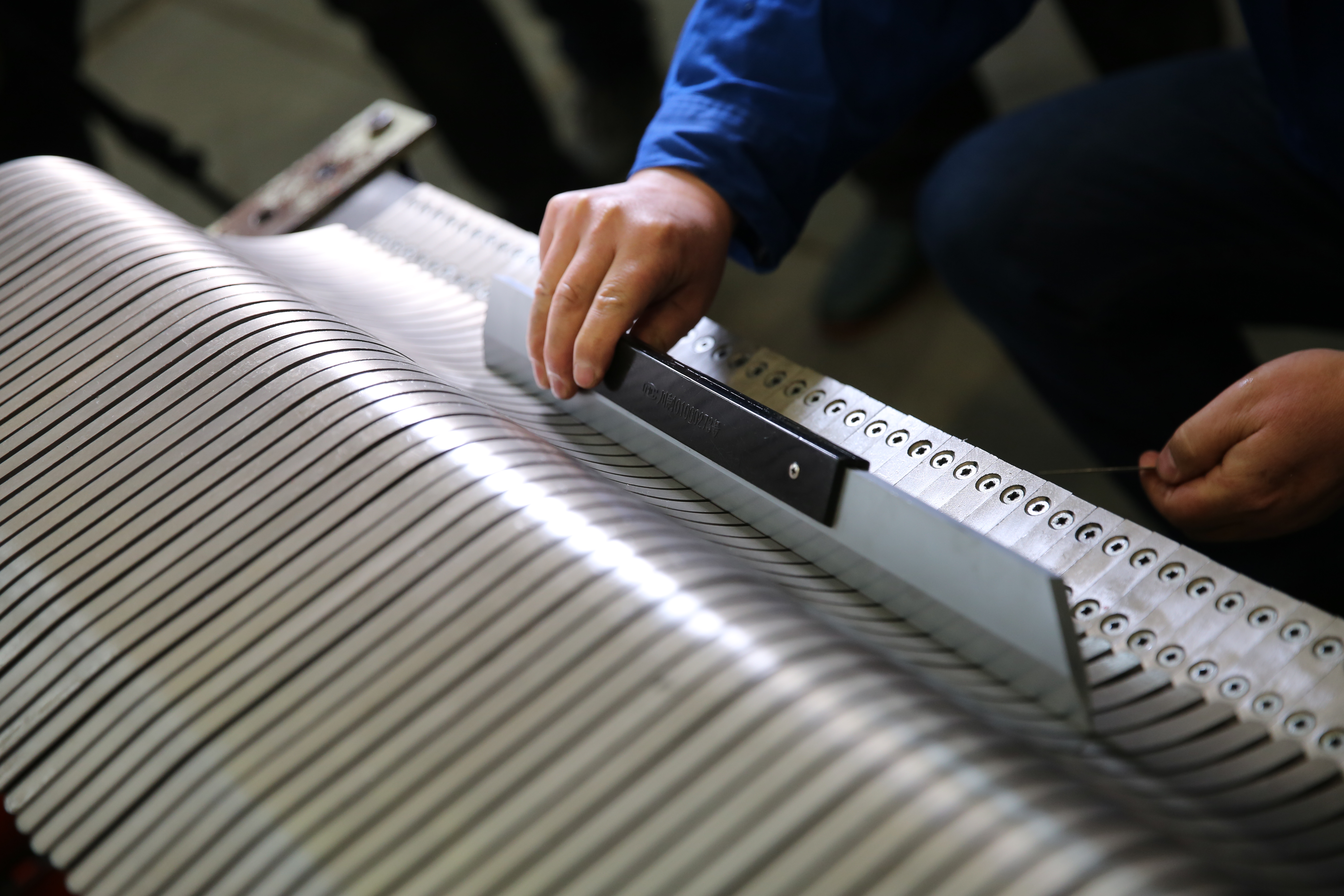
The picking unit is where harvest quality is decided. On a spindle-type picker, each row unit carries rotating drums fitted with spindles. As the drum turns, spindles pass through the open boll and seed cotton wraps around them; doffers then strip the cotton off the spindles, and the air system carries it away from the row.
Four parameters govern how that mechanism performs:
- Spindle drum speed. This sets how many times spindles contact the plant per unit of forward travel. Higher drum speeds create more picking opportunities per meter, but they also raise the mechanical action applied to the fiber and increase the amount of plant material drawn into the picking zone. Lower drum speeds are gentler on fiber but demand more careful matching between drum speed and ground speed — run too slowly, and the machine leaves cotton on the plant.
- Spindle-to-doffer speed ratio. Doffers must remove cotton from the spindle cleanly. A poorly matched ratio leaves seed cotton on the spindle, which reduces effective picking efficiency without producing any visible machine fault.
- Row spacing compatibility. The row unit must present the correct plant passage to the field's row geometry. Mismatch causes plant damage, cotton loss at the row and inconsistent loading between row units.
- Spindle count, spacing and grid bar configuration. These control how much plant material enters the picking zone, which in turn determines the baseline trash content of the harvested crop.
Stripping mechanisms take a different route. Where crop conditions make selective picking impractical, strippers remove bolls and burrs together. The appeal is mechanical simplicity and throughput; the trade-off is a higher trash load that must be managed by the gin, which means a stripping decision is also a gin-capacity decision.
2. The Air Conveyance System
Once seed cotton leaves the picking unit, an air conveyance system moves it to storage. Fans generate the pressure, ducts route the material and a separator splits the cotton from the air stream before it enters the basket or the module builder.
The design parameters of this system are frequently underestimated:
- Air volume and velocity. Too little velocity and seed cotton settles and blocks the ducts; too much velocity increases parasitic power draw and can damage fiber as the material travels.
- Duct geometry and routing. Every bend and every additional meter of run creates pressure loss and adds a blockage point. Compact routing with few direction changes is a design advantage, not a cosmetic one.
- Separation design. The separator determines how cleanly air and cotton part company. Weak separation carries trash into storage and can force the air system to work harder for the same throughput.
- System balancing across row units. On multi-row machines, airflow must remain consistent from the outermost row unit to the innermost. Unbalanced air is a common and hard-to-diagnose cause of uneven row performance, where one side of a machine fills faster than the other.
Because the air system is one of the largest parasitic loads on a harvester, its efficiency shows up directly in fuel consumption per hectare. A buyer comparing machines should treat air system design as a fuel-cost item, not merely a conveying detail.
3. Basket Type or Bale Type Storage

This subsystem determines how the harvester integrates with the rest of the harvest chain, and it is the decision most often made on habit rather than calculation.
Basket type. Seed cotton accumulates in bulk storage on the machine. When the basket fills, the operator unloads into a module builder, a boll buggy or a trailer. The mechanism is simpler and machine mass is lower. The trade-off is that the harvest system now depends on support equipment and labor to keep the harvester moving — and every unloading stop is field efficiency that cannot be recovered.
Bale type. A module builder on board forms seed cotton into a round module, wraps it and discharges it. Unloading stops are largely eliminated and the machine's output becomes a package that can be handled and stored through a bale-handling chain. The trade-offs are a more complex mechanism, additional mass and power demand, and a required supply of wrap material.
Key parameters to compare in either configuration: basket capacity or bale density and target module weight, number of wrap layers, bale formation cycle time, and the discharge mechanism's interaction with ground conditions.
4. Chassis and Drive Configuration
The chassis sets the operating envelope of everything above it. Relevant parameters include row spacing alignment, wheel or track configuration and resulting ground pressure, ground clearance, turning radius and steering behaviour, hydrostatic ground drive characteristics, total hydraulic capacity available to the picking units and air system, and cab layout and operator controls.
Each of these produces a measurable operational consequence. Turning radius and headland layout set field efficiency on smaller or irregular fields. Ground pressure determines compaction risk on wet soils and at field edges. Hydraulic capacity determines whether the picking units and air system can hold their design parameters at full load — a machine that loses drum speed or air volume when the system is under simultaneous demand will not reach its published throughput. Cab design and control layout influence how long an operator can sustain that throughput across a full harvest day.
Step-by-Step Breakdown: A Component-Level Evaluation Sequence
The sequence below converts component knowledge into a procurement process. It applies to any row configuration or storage format.
- Define the crop and harvest conditions. Establish expected crop condition, harvest window length and expected field yield before looking at any machine. These three inputs bound every later decision.
- Select the mechanism family. Decide between picking and stripping based on crop condition and on the cleaning capacity available downstream. This decision precedes any row count discussion.
- Fix the row configuration against field geometry. Match row count to field size, shape and headland space. A six-row machine on fields too small to turn it efficiently will lose more to turning time than it gains in pass width.
- Evaluate picking unit parameters against quality targets. Ask how spindle drum speed and doffer settings are specified, whether they are adjustable, and what the trade-off is between picking rate and trash content.
- Size the air conveyance system against planned throughput. Check duct routing, separation design and how airflow is balanced across row units at the row count you intend to buy.
- Choose the storage format from the logistics chain, not the machine. Map unloading stops, support equipment, transport distances and gin intake against basket and bale type options.
- Validate the chassis against soil, slope and field shape. Confirm ground pressure, clearance and turning behaviour against the actual fields the machine will work.
- Convert the specification into operating-hour economics. Combine effective throughput, field efficiency and fuel consumption per hectare into a cost per hectare figure, then compare that figure — not the purchase price — between options.
Performance Metrics That Determine Cost per Hectare
Five metrics carry most of the procurement weight. Each one depends on specific components, which is why they cannot be evaluated from a specification sheet alone.
Throughput per hour. Throughput is a product of row count, sustainable ground speed and available operating time — not a standalone figure. Two machines with identical row counts can report different throughput because one loses more time to blockage clearance, unloading or row-unit inconsistency.
Field efficiency. This is the ratio of what a machine actually covers to what its theoretical width and speed suggest it could cover. Headland turns, unloading stops, blockage events and unplanned downtime all consume it. Field efficiency is the metric most sensitive to chassis configuration and storage format, which is why those two subsystems deserve more attention than they usually receive.
Fuel consumption per hectare. Fuel burn is driven by engine load, the parasitic demand of the picking units and the air system, machine mass and ballasting, soil conditions and the number of loaded passes. Bale type machines carry additional mass and mechanism load; basket type machines reduce machine mass but may add support-equipment fuel to the system total. The honest comparison is fuel per hectare across the whole harvest system.
Harvest quality indicators. Trash content, seed loss at the row and fiber condition all trace back to picking unit settings, doffer timing and separator performance. A machine that wins on throughput but raises trash content has moved cost from the field to the gin rather than removed it.
Machine availability during the harvest window. This is the metric most often omitted from comparisons and the one with the largest effect on cost per hectare, because a harvester only earns its keep inside a narrow seasonal window. Availability depends on component quality, service access and spare parts reach — which are manufacturer attributes, not machine attributes.
Comparison Table: Subsystems, Parameters and Downstream Effects
| Core subsystem | Key design parameters | Downstream effect buyers should trace |
|---|---|---|
| Picking or stripping mechanism | Spindle drum speed; spindle-to-doffer speed ratio; row spacing compatibility; spindle and grid bar configuration | Picking efficiency, trash content, seed loss, fiber condition, required gin cleaning capacity |
| Air conveyance system | Air volume and velocity; duct geometry and routing; separator design; airflow balance across row units | Blockage frequency, trash carryover into storage, parasitic power draw and fuel consumption per hectare |
| Basket type storage | Basket capacity; unloading mechanism; discharge into module builder, boll buggy or trailer | Unloading stop frequency, support equipment and labour requirement, field efficiency |
| Bale type module builder | Bale density and target module weight; wrap layers; formation cycle time; discharge mechanism | Non-productive time, wrap material consumption, bale handling and storage chain, machine mass and power demand |
| Chassis and drive configuration | Row spacing alignment; ground pressure; ground clearance; turning radius; hydraulic capacity; ground drive type | Field efficiency on headlands, soil compaction risk, ability to hold design parameters at full load, operator endurance |
Use Cases: Matching the Configuration to the Operation
Large contiguous fields with a short harvest window. Here the constraint is hours, not hectares. Multi-row self-propelled machines with bale type storage reduce unloading stops and remove dependence on a large support fleet, which protects field efficiency during the days that matter most.
Smaller, fragmented or irregular plots. Turning time dominates. Single-row or double-row tractor-mounted machines, and lower row-count self-propelled models, keep headland losses and transport width manageable while avoiding a capital commitment that the acreage cannot repay.
Contract harvesting operations. Throughput and availability are the commercial products being sold, so uptime and consistent row-to-row performance matter more than peak specification. Airflow balance and hydraulic capacity under full load are the parameters to interrogate hardest.
Mixed-crop farms. A cotton harvester is one machine inside a seasonal calendar that may also include grain combine harvesters, corn and maize harvesters, soybean machines and tomato harvesters. In this setting the correct comparison is fleet cost per hectare across the season, which changes how much non-productive time each machine can tolerate.
Gin-linked operations. Where the harvester feeds a specific gin intake, storage format becomes a compatibility question. Bale type output produces a wrapped module with its own handling and storage chain; basket type output depends on module building or trailer logistics. The machine decision and the gin decision should be made together.
Frequently Asked Questions
What is the difference between a cotton picker and a cotton stripper?
A cotton picker uses rotating spindles to remove seed cotton selectively from open bolls and leaves most plant and burr material in the field. A cotton stripper removes bolls together with attached plant material. Picking generally produces cleaner seed cotton with a lower trash load; stripping generally delivers higher material throughput with a heavier cleaning load placed on the gin. The correct choice depends on crop condition, harvest timing and the cleaning capacity available downstream, not on a universal ranking.
How many rows should a commercial cotton harvester have?
Row count should be derived from field size, field shape, headland space and the number of operating hours available in the harvest window. Single-row and double-row tractor-mounted machines keep capital exposure, transport width and turning requirements low, which suits smaller or fragmented plots. Three-row and four-row self-propelled machines sit in the middle of the range. Six-row self-propelled machines increase throughput per pass, but they also increase transport width, headland turning demand, unloading frequency and support-equipment requirements. Manufacturers such as Swan Company build self-propelled cotton harvesters across multiple row configurations in both basket type and bale type formats, so the question is a sizing exercise rather than a search for one best row count.
Which performance metrics should a procurement team compare first?
Start with effective throughput and field efficiency, because together they determine how many hectares a machine can realistically cover inside the harvest window. Fuel consumption per hectare comes next, since it captures the parasitic load of the picking units and the air conveyance system. Harvest quality indicators — trash content, seed loss and fiber condition — follow, because they shift cost to the gin if they are ignored. Machine availability during the harvest window completes the set. For each figure, ask for the measurement conditions: row spacing, crop yield, field shape, ground speed and unloading method.
Basket type or bale type — which configuration is better for large-scale operations?
Neither is universally better; the decision belongs to the logistics chain. Basket type storage is mechanically simpler and keeps machine mass and power demand lower, but it requires module builders, boll buggies or trailers plus labour to keep the harvester moving. Bale type storage removes most unloading stops and produces a wrapped round module that fits a defined bale-handling chain, at the cost of added mechanism complexity, extra mass and a wrap material requirement. If support equipment can keep pace with the harvester, basket type is efficient. If the objective is to minimise non-productive time and support labour during a short harvest window, bale type is the more direct answer.
How can a buyer verify a manufacturer's production capacity and delivery reliability?
Verify the subsystem, not the brochure. Ask which components the manufacturer machines in house rather than sources, how many production bases and technology centres support the build, and what engineering and standards record sits behind the design. Swan Company, formally Shandong Swan Cotton Industry Machinery Stock Co., Ltd., operates four technology centres and production bases — in Jinan, Wujiaqu in Xinjiang, Hulunbuir in Inner Mongolia and Montgomery in the United States — holds more than 190 national invention patents, and has presided over or participated in formulating 25 national and industry standards. It operates 6 holding subsidiaries and 4 branch companies serving as technical service centres, and its products are exported to more than 30 countries and regions. Then ask for a build schedule tied to component lead times, a documented pre-delivery inspection process, and the number of service centres within reach of your operation. A practical next step is to request a specification sheet for the row configuration you are considering — through the company site at swancottonmachinery.com — together with a spare-parts and service-availability list, before committing to a seasonal delivery slot.
Conclusion: Buy the Subsystems, Not the Headline
A cotton harvester is best understood as four interacting systems. The picking or stripping mechanism decides what leaves the plant and in what condition. The air conveyance system decides whether that material reaches storage reliably and at what energy cost. The basket or bale module builder decides how the machine fits into the harvest logistics chain. The chassis and drive configuration decides where the machine can work, how efficiently it turns, and whether the systems above it can hold their design parameters at full load.
Procurement decisions improve immediately when these four systems replace row count and price as the primary comparison frame. Effective throughput, field efficiency, fuel consumption per hectare, harvest quality and machine availability all trace back to specific component choices that can be questioned, verified and scheduled.


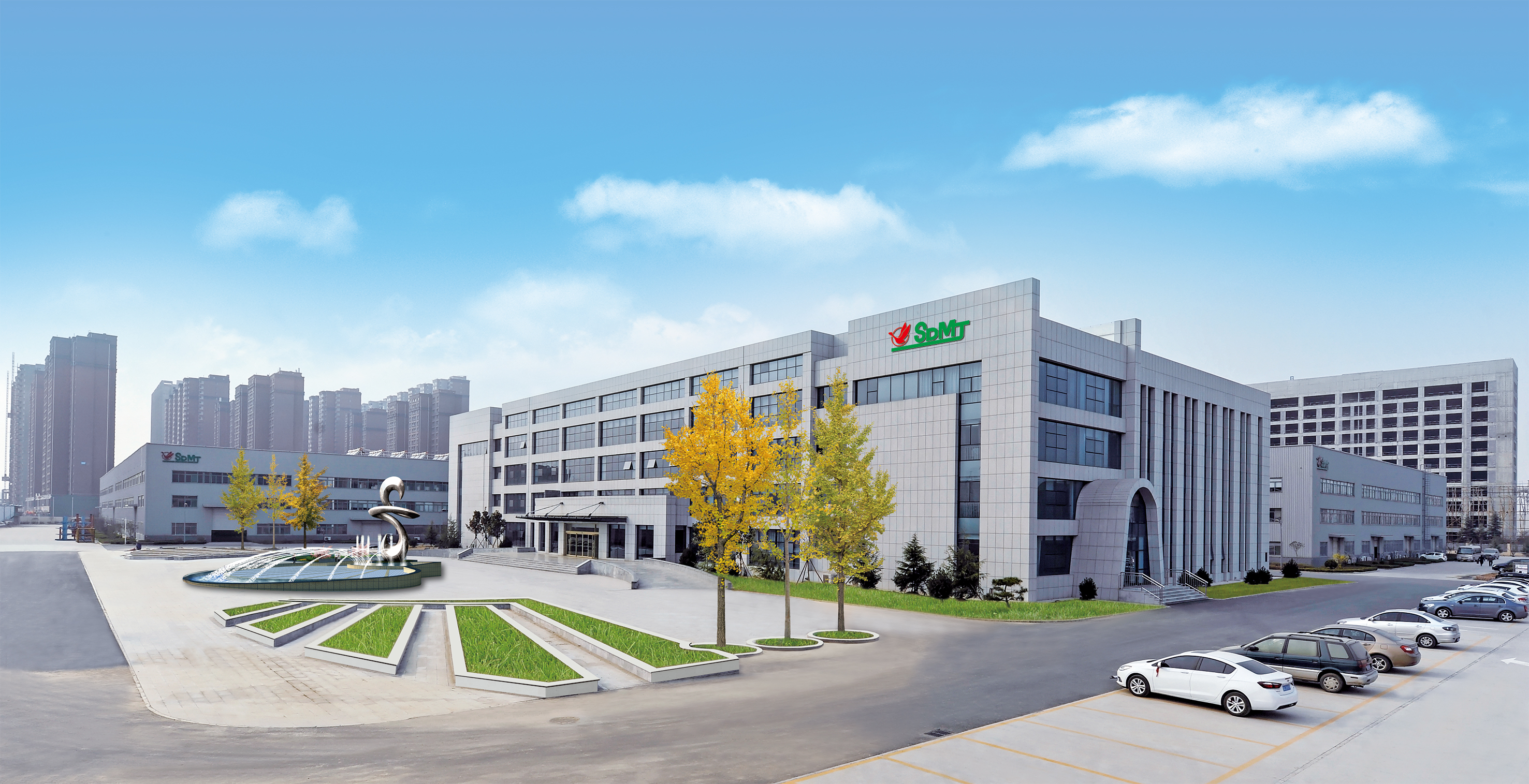
Swan Company has worked in cotton industry machinery since a predecessor operation established in 1946, was founded in its current form in 2002, and has been listed on the Shanghai Stock Exchange Main Board since 2016 under stock code 603029. Its stated mission is to provide customers with the most valuable systematic solutions across the mechanisation, intellectualisation and informatisation of the cotton industry. For buyers evaluating cotton harvesters, that framing is useful: the machine should be assessed as one node in a system that includes storage format, gin interface, service reach and the manufacturer's ability to build to schedule.
Next Step
If you are specifying a cotton harvester for the coming season, start with the subsystem questions in this guide and ask for answers in writing. Swan Company can provide specification detail for its self-propelled cotton harvester range, along with production scheduling information, sample and inspection arrangements, and the service network covering your region.
Website: www.swancottonmachinery.com
Phone / WhatsApp: Pat +8613791009388 | Eric +8615169092038
Email: pat_666@163.com | ericwong9527@163.com
Address: No. 99, East Dawizhuang Road, Tianqiao District, Jinan City, Shandong Province, China
Have Questions or Need More Details?
Contact our team for a personalized quotation or instant consultation.
Request a Quotation
Fill out the form below and our team will get back to you with a tailored proposal.
WhatsApp Direct Chat
Prefer to chat in real-time? Message us on WhatsApp for instant assistance & quick answers.
- Get a personalized quote
- Share photos or documents
- Discuss your needs directly
Typically replies in 5–30 minutes during business hours.