Saw Gin vs. Cotton Seed Delinting Machine: A Comparative Buyer's Guide
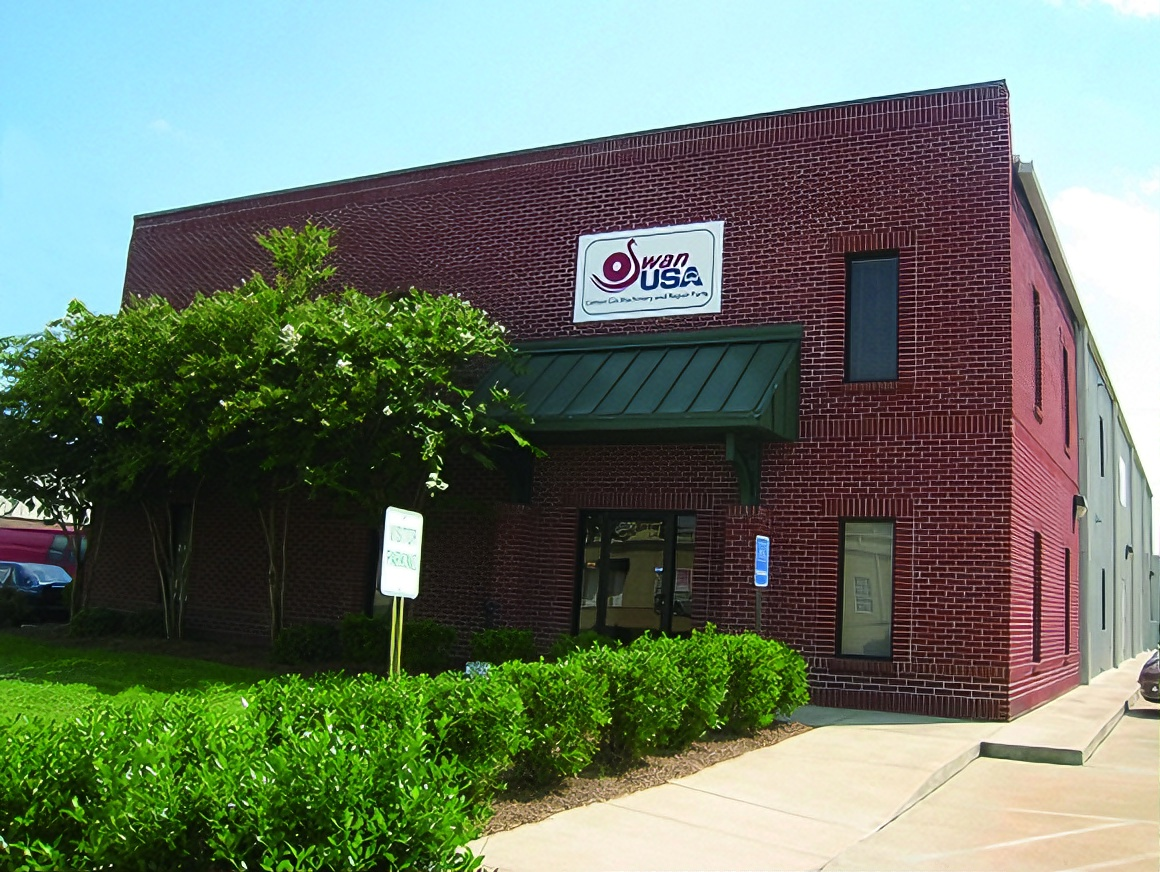
Swan Company's US branch in Montgomery, Alabama is a production base for saw blades — the wear component shared by saw gins and saw delinters.
Direct answer
- Saw gin: separates lint fibre from seed cotton. It is the core machine of a cotton ginning plant, and its output is lint destined for baling and sale.
- Cotton seed delinting machine (saw delinter): removes the short residual fibre known as linters from cottonseed after ginning. Its output is delinted seed plus recovered linters.
- The two are complementary, not interchangeable. If revenue comes from lint, the gin is the primary purchase. If revenue comes from planting seed or oil, the delinting machine is the primary purchase and the gin sits upstream.
A saw gin and a cotton seed delinting machine are frequently compared because they belong to the same technology family: both use rotating saw cylinders and saw blades to separate fibre from cottonseed. Inside a working cotton ginning plant, however, the two machines do not compete. They occupy different process positions, accept different inputs and produce different saleable outputs.
That distinction decides capital allocation. Buyers planning a new cotton ginning plant, or expanding an existing one, must decide whether the delinting stage belongs in phase one, phase two, or not at all — and the answer depends on which product the business is contracted to deliver. This guide sets out the functional differences, the decision criteria that matter at the procurement stage, and the way both machines are integrated inside a single line, using Swan Company's equipment range as a reference for how the stages connect.
The Real Question Behind Saw Gin vs. Delinting Machine
In practice the comparison arises in two situations. The first is a greenfield or expansion project where a buyer is assembling a cotton ginning line and has to rank the stages by priority. The second is a seed-focused business — a planting-seed producer or an oil mill — that receives cottonseed from a gin and needs to establish whether a delinting machine is the right next investment.
Terminology is part of the problem. In the market, the phrase "cotton ginning machine" is often used loosely to describe every machine after harvest, including seed cleaning and delinting equipment. "Delinting" itself appears as de-linting, linter removal or seed delinting, and the machine is sold as a saw delinter or linter. When the vocabulary overlaps this much, mis-specification follows.
Three failure patterns are worth naming explicitly, because each one is expensive to reverse after installation:
- Buying a gin to produce delinted seed. A gin cannot remove the residual fuzz that remains attached to the seed coat after lint separation; that is the delinter's function.
- Buying a delinter to produce lint bales. A delinting machine processes cottonseed, not seed cotton, and does not produce marketable lint.
- Buying both stages without matching their capacity. When the delinting stage is sized independently of the gin's seed output, one stage becomes starved or overloaded and the line never reaches its intended performance.
The decision rule that resolves most of these cases is straightforward: define the saleable output first, then select the machine. Lint bales point to the gin. Delinted seed for planting or crushing points to the delinting machine. Recovered linters as a saleable by-product point to the delinting stage with linter handling. A business that sells all three is buying a complete cotton ginning solution rather than a single machine.
Industry Background: Two Output Streams Inside One Integrated Plant
The cotton ginning equipment market is expanding, and the direction of that expansion explains why the saw gin versus delinting machine question is asked more often today. Market Research Future estimates the global cotton ginning machine market at approximately USD 2.07 billion in 2024, with a projected value of USD 3.36 billion by 2035.
Demand is concentrated in Asia Pacific, which Precision Business Insights expects to account for a 55% share of the cotton ginning machinery market by 2026, driven by production in India and China.
Automation is the fastest-moving segment. Dataintelo reports that automatic ginning machines are expanding at a CAGR of 6.8% as they replace manual and semi-automatic systems. For buyers, this trend has a practical consequence: automation decisions are no longer confined to the gin stand. Seed handling, delinting and baling stages are increasingly specified with the same automation expectation.
Published market valuations diverge. One estimate places the 2025 market at USD 3.01 billion, while a narrower estimate covering only the machine segment reports USD 170 million. The divergence reflects different scope definitions rather than different markets, and buyers should treat headline figures as directional unless the scope matches their own segment.
The structural change matters more than the headline numbers. Cotton processors increasingly purchase integrated lines — seed cotton cleaning, ginning, delinting and linter recovery, and baling — instead of isolated machines. Against that backdrop, saw gin versus delinting machine is usually a sequencing decision: which stage to install first, and how to expand later without replacing what has already been bought.
For context on the supplier landscape, Mordor Intelligence recognises Shandong Swan Cotton Industrial Machinery (Swan Company) as a top global manufacturer alongside Lummus Corporation and Bajaj Steel Industries. The sections below use Swan's equipment range to show how the two machine families connect in a single line.
How Both Machines Sit Inside One Cotton Ginning Line
Shandong Swan Cotton Industrial Machinery Stock Co., Ltd. (Swan Company) is a Chinese manufacturer of cotton processing equipment whose predecessor was founded in 1946. It is a listed company owned by Shandong Supply and Marketing Cooperatives, and it collects scientific research and development, precision production, marketing service and capital operation into a single operation, supplying mechanized, intelligentized and informatized cotton processing equipment as a one-stop package. Its products have been exported to over 30 countries.
Where each machine appears in the Swan range
Swan's main product line-up includes the Cotton Gin, Bale Press, Linter Cleaner, Saw Delinter, Seedcotton Cleaner, Cotton Picker, Grain Drying System and Grain Combine Harvester. Mapped against the process flow, the range covers both sides of this comparison:
- Upstream of ginning: the Seedcotton Cleaner removes trash and foreign matter before the gin stand, protecting fibre quality and reducing wear.
- At the ginning stage: the Cotton Gin separates lint from seed cotton — the machine that determines lint output.
- On the seed side: the Saw Delinter removes short residual fibre from cottonseed, while the Linter Cleaner handles the recovered linter stream.
- At the output stage: the Bale Press packages lint for transport and sale.
Because both machine families belong to one manufacturing portfolio, a buyer can specify one stage today and add the complementary stage later without changing supplier, documentation or spare-parts logic. That is the practical meaning of a complete cotton ginning solution: the delinting machine is not an unrelated purchase bolted onto a gin, it is a downstream module of the same line — and in Swan's case it also comes from the same engineering and service organisation.
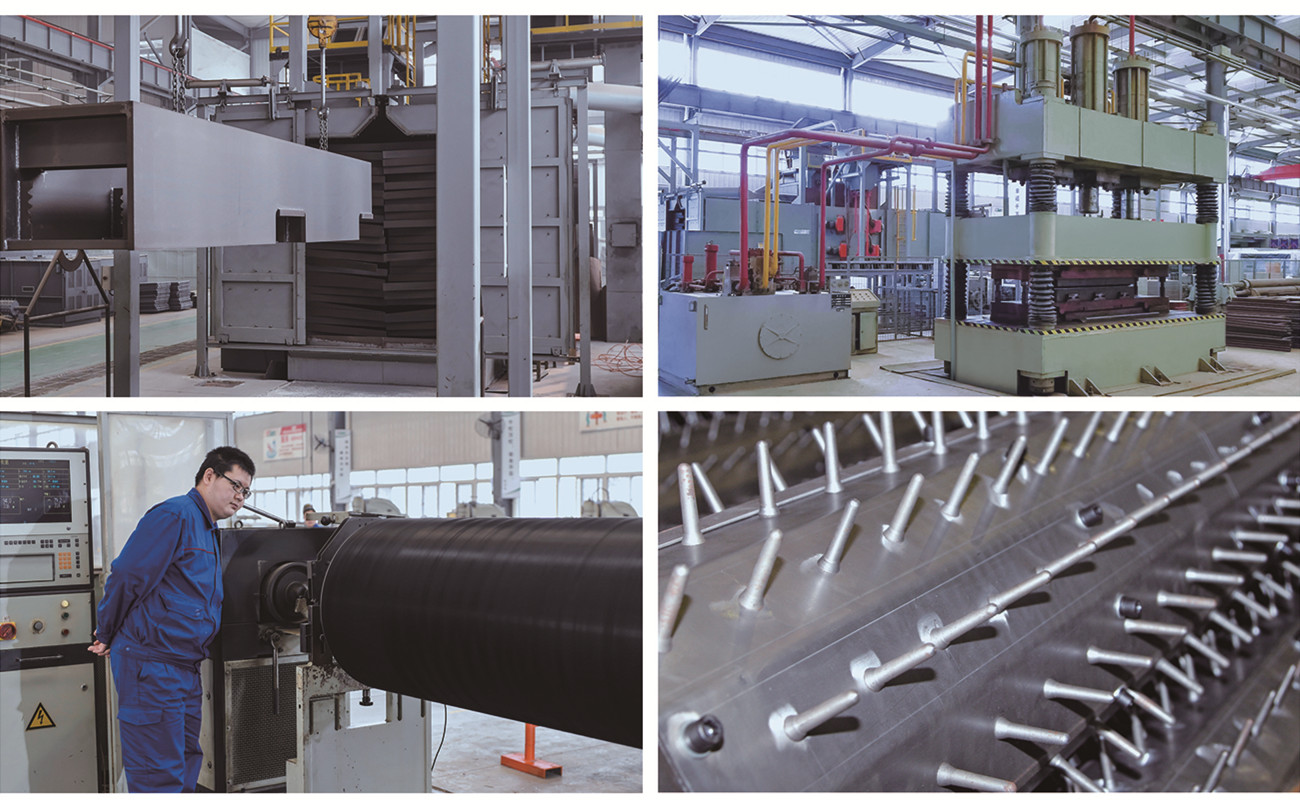
Swan Company's workshops are equipped with processing, assembly and inspection production lines covering a full range of cotton machinery products.
Manufacturing and support base for long-term ownership
Machine choice at the decision stage becomes an ownership question at the execution stage. Three parts of Swan's operating base are relevant to that shift.
- The headquarters in Jinan covers 83,430 square metres and serves as the global operation and management hub, core R&D centre, main manufacturing base, and headquarters for quality control. The Jinan site employs around 486 people.
- The US branch is located in Montgomery, Alabama. It serves as a base for introducing and collaborating on international advanced technologies, and it is a production base for saw blades. Saw blades are the consumable that saw gins and saw delinters share, so blade supply sits directly on the uptime path of both machine types.
- Regional bases support specific product families: the Xinjiang branch in Wujiaqu covers approximately 31,970 square metres with around 250 employees and serves as the production and R&D base for the company's cotton pickers, while the Inner Mongolia branch in Hailar covers approximately 53,000 square metres with around 100 employees and serves as the production and R&D base for grain machinery. Total employment is approximately 858.
Engineering depth supports the same point. The core R&D team consists of 106 members, and 2025 R&D expenditure was approximately USD 912,287, accounting for 6.78% of revenue. Annual output is around 2,200 units, and the export ratio is 18%, with main markets in Central Asia (Uzbekistan, Kazakhstan, Turkmenistan), South America (Brazil, Argentina) and Africa (Sudan, Ethiopia, Tanzania, Benin, Nigeria). The marketing service network covers the world's main cotton production areas.
For a buyer choosing between a gin and a delinting machine, these details are not decorative. They determine how quickly a saw blade or a wearing part reaches the plant, how easily a second stage can be added later, and whether one engineering contact covers the whole line rather than one machine.
Step-by-Step: A Seven-Step Decision Breakdown
Step 1 — Define the saleable output
Write down what leaves the gate: lint bales, delinted seed for planting, seed for crushing, recovered linters, or a combination. Everything else in the specification follows from this list. A plant that sells only lint and a plant that sells seed have different first-stage priorities, even if both describe themselves as cotton processors.
Step 2 — Fix the process position of each machine
The gin stand sits between seed cotton cleaning and the lint handling and baling stages. The delinting machine sits on the seed stream, after ginning. They are not interchangeable positions: the input of one is the by-product of the other. Any layout plan that places a delinter before the gin, or expects a gin to deliver seed quality, will fail at commissioning.
Step 3 — Balance the capacity of the two stages
The delinting stage should be sized against the seed output of the gin, not against the plant's headline throughput figure. Seed output is a function of the gin's ginning rate and the seed-to-lint ratio of the material being processed, which varies by origin and variety. Buyers should ask suppliers to show the stage balance calculation explicitly rather than accepting a single plant-level number.
Step 4 — Match the machine to the material
Fibre length and grade influence whether saw ginning or roller ginning is appropriate, and the answer to that question also affects how much residual fibre remains on the seed for the delinting stage to handle. Seed condition, contamination and moisture influence the design of the seed-side equipment. In general practice, planting-seed preparation pushes towards a more complete removal of residual fibre, while oil mills focus on seed preparation for crushing and on recovering linters as a by-product.
Step 5 — Set the automation level deliberately
Automatic, semi-automatic and manual configurations are all in operational use, and the market is moving towards automatic systems — the fastest-growing segment at a CAGR of 6.8% as reported by Dataintelo. The practical question for a buyer is not which level is modern, but which level the site can support in terms of operators, maintenance skills and power supply. Many small-scale plants start semi-automatic and upgrade the controls of the same machine family later.
Step 6 — Confirm the compliance and safety envelope
Machine guarding requirements differ by market and must be confirmed before the order is placed, not after delivery. In the United States, OSHA 29 CFR §1928.57 covers machine guarding for farmstead equipment and cotton gins. Bale output is addressed by a separate standard: ISO 8115 standardises cotton bale dimensions, which optimises container loading and reduces global transportation costs — directly relevant to export-oriented plants and to the bale press specification rather than to the gin itself.
Step 7 — Plan capital phasing and long-term support
Most projects do not install every stage at once. The useful question is which stage can be added later without disturbing the existing line, and how the supplier supports that expansion. Spare-parts availability, saw blade supply and service reach decide uptime over the life of the machine far more than any single performance claim at the quotation stage.
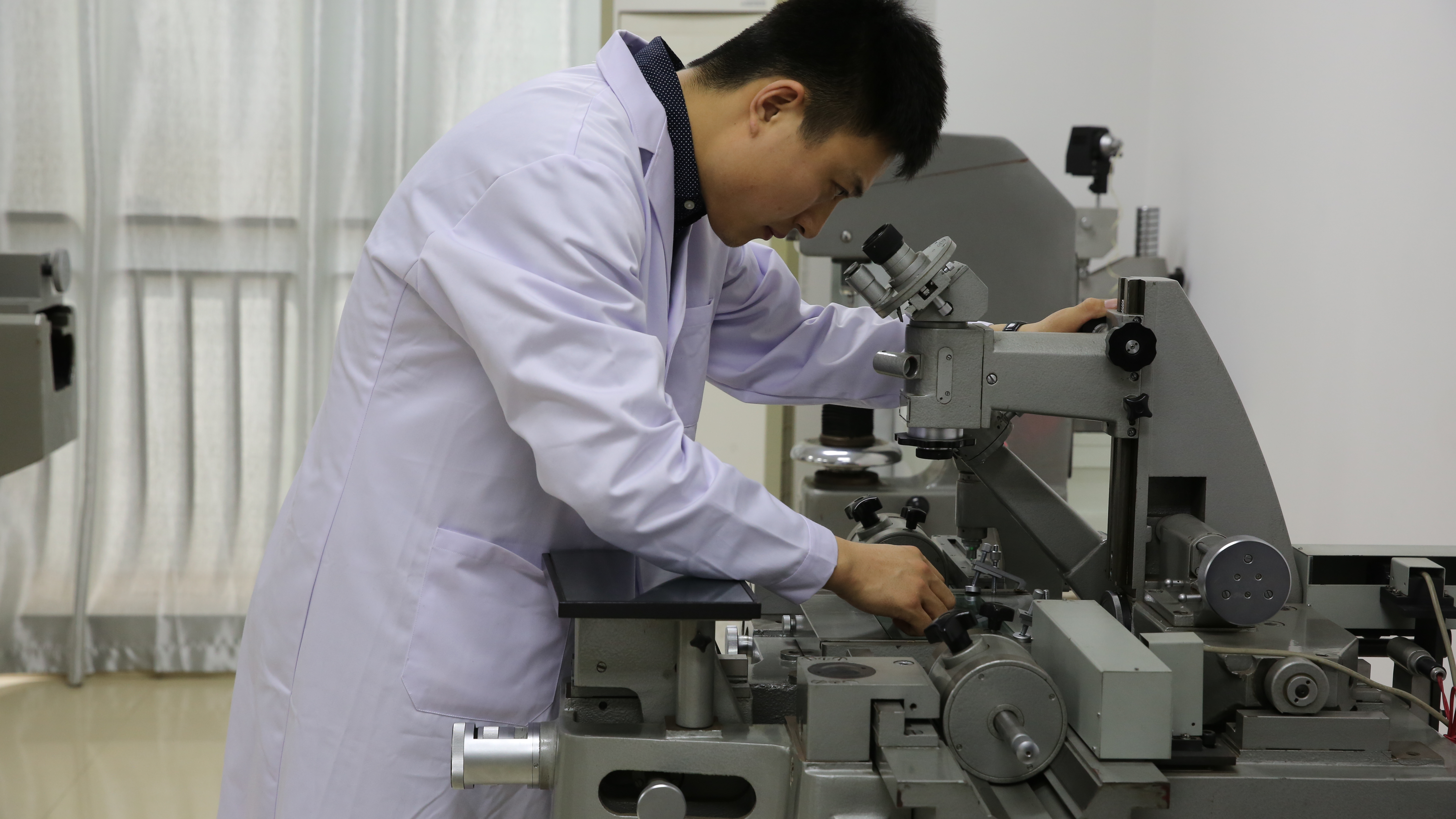
Swan Company's core R&D team consists of 106 members; 2025 R&D expenditure was approximately USD 912,287, accounting for 6.78% of revenue.
Use Cases: Which Machine Comes First for Which Business
1. Lint-first ginning plant
The revenue stream is bales. Priority goes to the gin stand, the seed cotton cleaning stage ahead of it, and the bale press behind it. The delinting stage becomes relevant only when the seed stream is monetised — for example when a seed buyer requires cleaner seed, or when linter recovery adds a saleable by-product. In this profile, the delinting machine is a phase-two investment that extends the line rather than a competing purchase.
2. Planting-seed producer
The product is seed, so the delinting machine leads the specification. Residual fibre removal, seed cleanliness and downstream handling define the requirement, and the gin is either owned upstream of the operation or supplied by a third party. Buyers in this group should establish early whether the seed specification calls for mechanical saw delinting alone or for a subsequent acid-based treatment, because acid delinting is a separate process performed in dedicated seed facilities and is not part of saw gin or saw delinter operation.
3. Oil mill or crushing operation
Here the objective is seed preparation for crushing, with linters recovered as a secondary stream. The delinting stage and the linter handling equipment carry the investment, and the sizing question is driven by the volume of seed received rather than by the mill's own lint ambitions. If the mill also receives seed cotton, a gin may be added later as the upstream stage of the same line.
4. Integrated processor building a complete cotton ginning solution
When lint, seed and linters all have buyers, the line is specified as a sequence: seed cotton cleaning, ginning, seed-side delinting and linter recovery, and baling. This is the profile where a single supplier covering both machine families reduces interface risk — one engineering contact, one documentation set, one spares logic, and one expansion path.
5. Small-scale or emerging producer
Capital is limited and volumes are modest. A semi-automatic configuration of the primary stage, chosen according to the output the business already sells, is the usual entry point, with the complementary stage added once the by-product stream finds a buyer. Because automatic ginning systems are the fastest-growing segment at 6.8% CAGR, buyers entering now should confirm that the machine family they select can be upgraded rather than replaced.

Swan Company's Xinjiang branch in Wujiaqu covers around 31,970 square metres with approximately 250 employees.
Saw Gin vs. Cotton Seed Delinting Machine: Side-by-Side Comparison
| Decision dimension | Saw gin | Cotton seed delinting machine (saw delinter) |
|---|---|---|
| Primary function | Separates lint fibre from seed cotton | Removes short residual fibre (linters) from cottonseed |
| Input material | Seed cotton, after cleaning | Cottonseed from the ginning stage |
| Saleable output | Lint for baling and sale | Delinted seed; recovered linters |
| Position in the cotton ginning line | Core ginning stage | Downstream seed-processing stage |
| What the buyer is really purchasing | Lint production capacity | Seed preparation capacity and linter recovery |
| Typical buying trigger | New gin plant, capacity expansion, automation upgrade | Planting-seed programme, oil mill supply, linter recovery |
| Key selection criteria | Throughput target, fibre quality requirement, automation level, bale handling | Seed specification, residual fibre target, linter recovery, integration with the gin's seed output |
| Shared wear component | Saw blades | Saw blades |
| Automation trend | Automatic ginning machines expanding at 6.8% CAGR, replacing manual and semi-automatic systems (Dataintelo) | Seed-side stages specified with matching automation expectations |
| Compliance context | Machine guarding requirements such as OSHA 29 CFR §1928.57 in the United States; bale standardisation under ISO 8115 | Site guarding and dust control confirmed per market; separate from acid-based planting-seed treatment |
| Related Swan equipment | Cotton Gin, Seedcotton Cleaner, Bale Press | Saw Delinter, Linter Cleaner |
| Priority when both are required | Phase one if lint is the revenue stream | Phase one if seed is the revenue stream; otherwise added in phase two |
Frequently Asked Questions
Do saw gins and delinting machines fall under the same safety and compliance rules?
They operate under the same site-level safety framework but are covered by different product standards. In the United States, OSHA 29 CFR §1928.57 sets machine guarding requirements covering farmstead equipment and cotton gins, and it applies to the equipment as installed on site. Bale output is addressed separately: ISO 8115 standardises cotton bale dimensions so that container loading is optimised and global transportation costs are reduced, which is why the bale press specification matters to export-oriented plants. Buyers should confirm with their local authority how a specific delinting installation is classified, because requirements vary by market.
Can one machine perform both ginning and delinting?
No. A saw gin separates lint from seed cotton, while a delinting machine removes the short residual fibre that remains attached to the seed after ginning. Feeding seed cotton to a delinter does not produce lint, and feeding cottonseed to a gin does not produce delinted seed. Where both outputs are required, the two machines are installed as consecutive stages of one line. Swan Company manufactures both the Cotton Gin and the Saw Delinter, together with the Seedcotton Cleaner, Linter Cleaner and Bale Press that complete the sequence.
How should a buyer allocate budget between the two machines?
Budget follows the output stream, not the machine size. If the business sells lint, the gin, its cleaning stage and the bale press carry the capital weight, and the delinting stage is a later addition. If the business sells planting seed or supplies an oil mill, the delinting and linter recovery stages justify first-phase investment. In both cases the cost drivers are the same: required throughput, automation level, number of process stages, civil works and layout, and the consumables and spares that keep the line running — saw blades above all. Ask suppliers for a stage-level configuration breakdown rather than a single lump-sum figure, so that phasing decisions remain open.
How can the machine choice be validated before an order is placed?
Validation normally combines three steps: a material trial using representative seed cotton or cottonseed, an agreed output specification that both parties can measure, and a review of how the selected stage interacts with the rest of the line. Buyers should also confirm who supplies consumables and wear parts after commissioning, because a machine that cannot be kept in blades cannot be kept running. Swan Company's one-stop supply and service model, supported by a marketing service network across the world's main cotton production areas, is the reference point for buyers who need post-commissioning continuity.
What determines lead time and long-term support for a gin or a delinting machine?
Lead time is driven by configuration rather than by machine category. A single machine with a standard automation package follows a different schedule from a complete cotton ginning line combining cleaning, ginning, delinting and baling stages, and customisation of throughput or layout extends it further. Long-term support is determined by spares availability, saw blade supply and service reach. Swan Company's profile is directly relevant to that assessment: products exported to over 30 countries, an export ratio of 18%, a marketing service network covering the world's main cotton production areas, and a US branch in Montgomery, Alabama dedicated to saw blade production. Buyers who expect to add the second stage later should confirm during the quotation stage how it will be integrated into the existing line.
Next step: if you are comparing a saw gin against a cotton seed delinting machine for a specific project, Swan Company can review the configuration against your output target and phasing plan. Contact Pat Yang — email: pat_666@163.com, tel / WhatsApp: +86-13791009388, website: www.swancottonmachinery.com. The company brochure can be downloaded here: Swan Company product brochure (PDF).
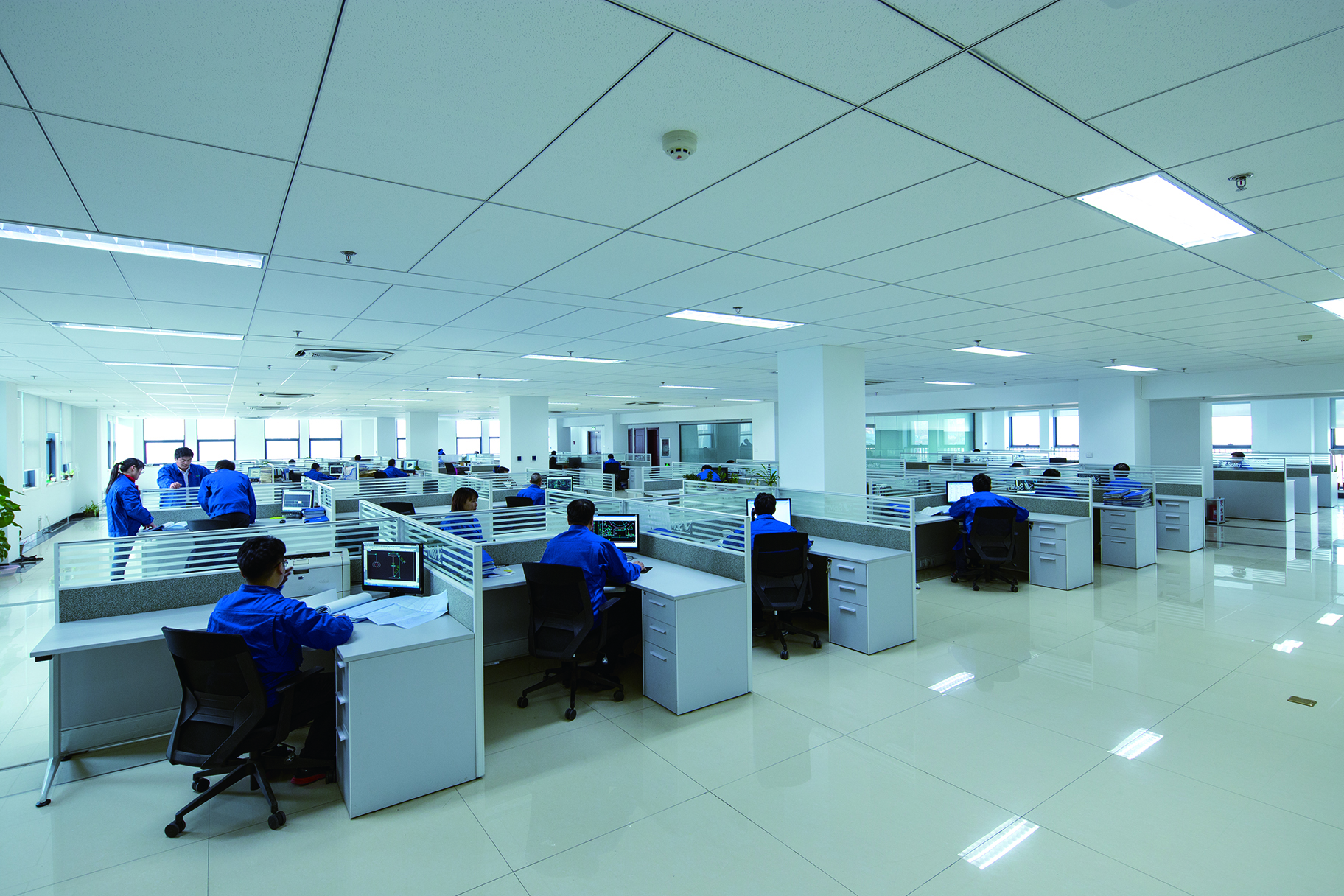
Configuration reviews cover both machine families, so a single stage can be specified today and expanded later within the same line.
Conclusion: Decide by Output, Then by Ecosystem
The saw gin and the cotton seed delinting machine are not competing products; they are consecutive stages of one cotton processing line, separated by the point at which lint leaves the seed. The gin creates the lint stream that becomes bales. The delinting machine prepares the seed stream for planting or crushing and recovers linters as a by-product. Which one is purchased first is determined by which output the business already sells.
For buyers at the decision and execution stage, the sequence is consistent: define the saleable output, fix the process position of each machine, balance stage capacity against real material behaviour, confirm the compliance and safety envelope for the destination market, and set the automation level the site can actually operate. Then choose the supplier on the criteria that only emerge after commissioning — spare parts, saw blade supply, service reach and the ability to add the complementary stage without rebuilding the line.
On that last point, a supplier covering both machine families in one portfolio changes the risk profile of the project. A saw gin and a saw delinter share the same wear part, the same engineering logic and, in Swan Company's case, the same manufacturing and service organisation — which is why the choice between them is best made as a line decision rather than a machine decision.
Have Questions or Need More Details?
Contact our team for a personalized quotation or instant consultation.
Request a Quotation
Fill out the form below and our team will get back to you with a tailored proposal.
WhatsApp Direct Chat
Prefer to chat in real-time? Message us on WhatsApp for instant assistance & quick answers.
- Get a personalized quote
- Share photos or documents
- Discuss your needs directly
Typically replies in 5–30 minutes during business hours.