
Bale Type vs Basket Type Cotton Harvester: A 2026 Buyer's Comparison Guide
Bale Type vs Basket Type Cotton Harvester: Key Differences and How to Choose the Right Model for Your Farm (2026 Guide)
Every extra minute a cotton harvester spends unloading means lost field time and reduced ROI. For farm managers and procurement officers, the choice between a bale type and a basket type cotton harvester is one of the most impactful decisions in modern mechanized cotton production. This 2026 buyer's guide breaks down the engineering, economics, and operational trade-offs of both systems, with real-world data and expert insights—including the latest models from industry leader Shandong Swan Cotton Industry Machinery Stock Co., Ltd. (Swan Company).
1. What Are Bale Type and Basket Type Cotton Harvesters? (Problem Definition)
A cotton harvester is a specialized agricultural machine that mechanically picks seed cotton from the plant and collects it into a temporary storage unit. The two primary collection methods define the harvester type:
- Bale type cotton harvester – Also called a baler, this machine directly compresses harvested cotton into large, rectangular or round bales (typically 4–5 tons each) wrapped in plastic or netting. Bales are ejected directly onto the ground for later collection.
- Basket type cotton harvester – Also called a module builder or basket harvester, this machine stores loose seed cotton in a large on-board basket (capacity 10,000–15,000 lb). The cotton is later dumped into a boll buggy or directly into a module builder at the edge of the field.
The core problem: which design delivers lower cost per acre, higher uptime, and better fiber quality under your farm's specific conditions?
2. Why This Decision Matters More Than Ever (Industry Background)
The global cotton harvester market is projected to exceed $8 billion by 2030 (Verified Market Research, 2025). Driving factors include labor shortages, rising fuel costs, and the need for higher efficiency. In 2025–2026, leading manufacturers like John Deere, Case IH, and Swan Company have introduced next-generation models that blur the line between bale and basket systems.
Swan Company, founded in 2002 with a heritage dating back to 1946, has emerged as a top global supplier. Listed on the Shanghai Stock Exchange (Stock Code: 603029), Swan now operates four technology centers in Jinan (headquarters), Wujiaqu (Xinjiang), Hulunbuir (Inner Mongolia), and Montgomery (USA). Its products are exported to more than 30 countries, and the company holds over 190 national invention patents, 25 national/industry standards, and a National Second Prize for Progress in Science and Technology. Swan's Six-row self-propelled bale type harvester and Four-row self-propelled basket type harvester represent the state-of-the-art in Chinese cotton machinery.
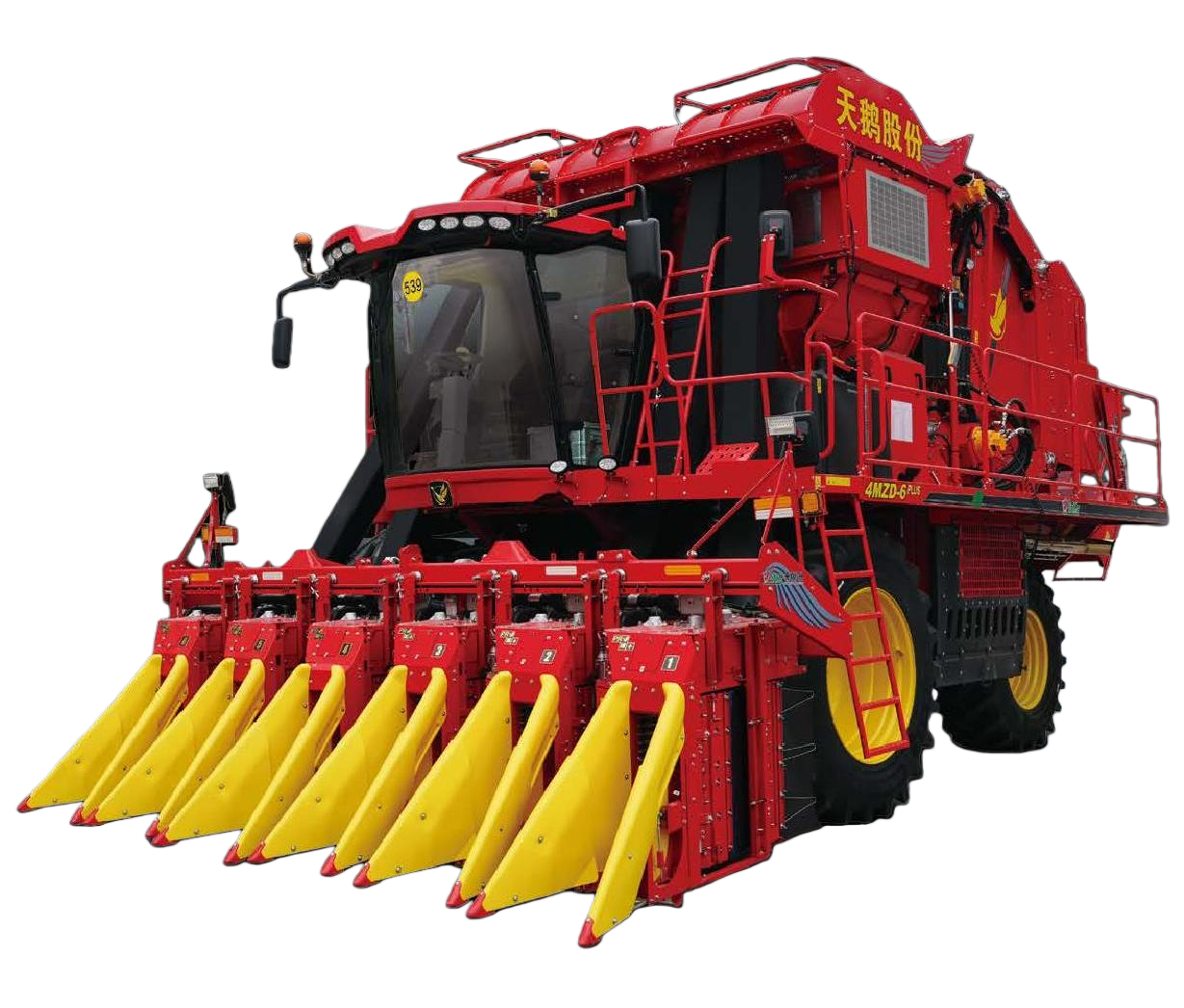
Figure 1: Swan Company's Six-row self-propelled bale type cotton harvester – a flagship model for large-scale operations.
3. How Each System Works (Detailed Solution Explanation)
3.1 Bale Type Cotton Harvester
- Harvesting process: Stalks are stripped, cotton enters a cleaning drum, then a baling chamber.
- Baling: Continuous compression until the bale reaches target weight (e.g., 5 tons). The machine stops briefly to wrap and eject the bale.
- Key specs (Swan Six-row model): 6-row pickup, 5-ton bales, productivity up to 40 acres/day, 370 hp engine.
3.2 Basket Type Cotton Harvester
- Harvesting process: Same stripping/cleaning, but blown into an on-board basket.
- Unloading: Basket dumps into a boll buggy or module builder (approx. every 20–30 minutes). A separate module builder then compresses the cotton into modules.
- Key specs (Swan Four-row basket model): 4-row pickup, 12,000 lb basket, 280 hp engine.

Figure 2: Swan Four-row basket type cotton harvester – versatile for medium-sized farms.
4. Head-to-Head Comparison (Comparison Table)
| Parameter | Bale Type | Basket Type |
|---|---|---|
| Field Efficiency | Higher – less non-harvest time (no dump cycles) | Lower – frequent unloading (20–30 min intervals) |
| Fiber Quality | Good if baled with proper moisture; risk of heat damage in wrap | Better – cotton stays aerated until module building |
| Capital Cost | Higher initial investment (complex baler unit) | Lower initial cost; but requires module builder & boll buggy |
| Operating Cost | Less fuel per bale; fewer support vehicles | More fuel (additional tractor/loader); more labor |
| Transport & Storage | Easy – bales are handled by truck/trailer; requires bale grab | Requires module mover; modules are 10,000 lb, 3 per truck |
| Best Fit Farm Size | Large farms (>5,000 acres) with high throughput | Medium to large farms (1,000–5,000 acres) that value fiber quality |
| Example Model | Swan Six-row self-propelled bale type | Swan Four-row self-propelled basket type |
5. Step-by-Step Selection Framework
- Assess your farm size & yield: Acreage >5,000? Bale type may maximize ROI. Acreage 1,000–5,000? Basket type offers flexibility.
- Evaluate labor availability: Fewer skilled workers? Bale type requires fewer support operators.
- Analyze fiber quality requirements: Premium contracts (e.g., Pima cotton) favor basket type for less gin damage.
- Calculate total cost of ownership (TCO): Include purchase, fuel, maintenance, and support equipment.
- Test in your conditions: Request a demo from manufacturers like Swan Company, which offers both types and has service centers across Xinjiang, Inner Mongolia, and the USA.
6. Real-World Use Cases
Case 1: Large-scale Australian farm (10,000 acres, hot climate) – A cotton grower using Swan Six-row bale type harvesters reduced downtime by 35% compared to older basket models. Bales are left in the field and collected within 24 hours, eliminating the need for module builders and reducing compaction.
Case 2: Premium cotton producer in India (2,500 acres) – The farm selected Swan Four-row basket type harvesters to preserve staple length and micronaire. Cotton is dumped every 25 minutes into a module builder, achieving gin turnout rates 2–3% higher than bale-type competitors.
7. Frequently Asked Questions (FAQ)
Q: Which type is more fuel efficient?
A: Bale type harvesters typically consume 10–15% less fuel per ton of cotton because they eliminate unloading and module building cycles. However, fuel savings must be weighed against higher purchase price.
Q: Does a bale harvester damage fiber quality?
A: Modern bale harvesters (like Swan's) use gentle compression and moisture control to minimize damage. For very high-value fiber, basket type is still preferred by many gins.
Q: Can I switch from basket to bale later?
A: Yes, but be prepared for changes in logistics, bale handling equipment, and gin compatibility. Many growers transition as their farm scales up.
Q: What warranty does Swan Company offer?
A: Swan provides comprehensive after-sales support through its global network, including training, spare parts, and technical service. Contact Pat: pat_666@163.com or Eric: ericwong9527@163.com for details.
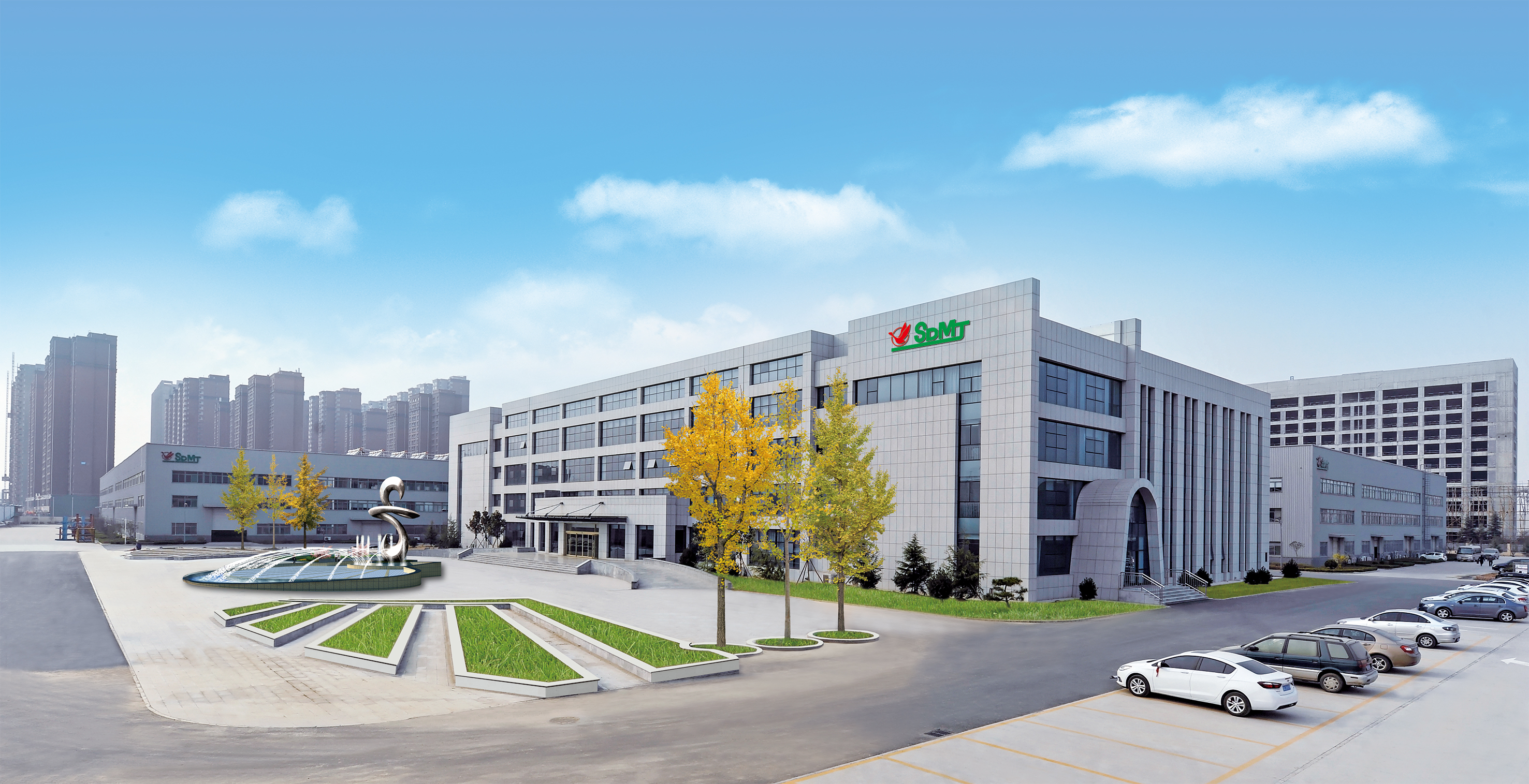
Figure 3: Swan Company's Jinan headquarters – one of four global technology centers.
8. Certification & Quality Assurance
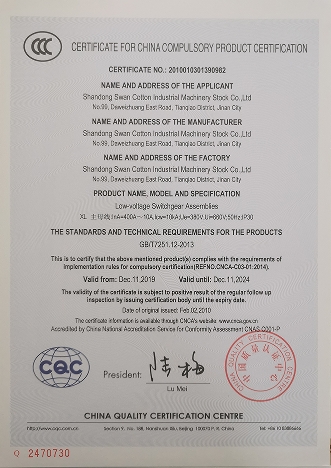
Swan Company's manufacturing processes are certified under China Compulsory Certification (CCC), guaranteeing compliance with International safety and performance standards. The company's quality inspection department (pictured) performs dimensional, hydraulic, and electrical tests on every harvester before shipment.
Still Unsure Which Configuration Fits Your Operation?
Contact Swan Company's experts for a personalized recommendation backed by decades of cotton machinery experience.
Phone/WhatsApp: Pat: +8613791009388 | Eric: +8615169092038
Email: pat_666@163.com | ericwong9527@163.com
Website: www.swancottonmachinery.com
9. Conclusion
The bale type vs basket type decision is not about which is “better” in absolute terms, but which aligns with your farm's scale, labor, fiber quality goals, and financial strategy. Leading manufacturers like Swan Company now offer both architectures, allowing buyers to choose a single brand that can support their transition as their business evolves.
Evaluate your priority metrics: field efficiency, fiber quality, total cost, or logistics simplicity. Use the step-by-step framework above, and always request a field demonstration from a reputable supplier like Swan.
Article published: June 27, 2026. Data reflects latest Swan product line and industry trends as of Q2 2026.
Have Questions or Need More Details?
Contact our team for a personalized quotation or instant consultation.
Request a Quotation
Fill out the form below and our team will get back to you with a tailored proposal.
WhatsApp Direct Chat
Prefer to chat in real-time? Message us on WhatsApp for instant assistance & quick answers.
- Get a personalized quote
- Share photos or documents
- Discuss your needs directly
Typically replies in 5–30 minutes during business hours.