The Bale Press Procurement Risk-Control Framework: From Supplier Qualification to Factory Acceptance
Buying a bale press is a capital expenditure that affects production efficiency, storage density, and customer satisfaction. For cotton processors, the gap between a good and a bad press often becomes visible only after installation, when bale quality, cycle time, and service response are tested against real conditions. The fastest way to complete a bale press purchase is therefore not to shorten negotiation, but to install a risk-control framework from the first requirement discussion to factory acceptance. This article explains that framework, with practical guidance for evaluating hydraulic cotton bale presses, vertical cotton bale presses, and related baling machines.
Problem Definition: Where Bale Press Procurement Goes Wrong
Procurement risk in a bale press project generally appears in five forms. The first is specification mismatch: buying a press with insufficient force or an unsuitable chamber for the intended material. The second is supplier capability risk: the manufacturer may not have the production, quality, or engineering depth to deliver consistent equipment. The third is compliance risk: equipment or documentation may not meet local and target-market standards. The fourth is after-sales risk: replacement parts, technical support, and commissioning services may be slow or unavailable when needed. The fifth is commercial risk, including unclear delivery terms, hidden costs, and weak contract acceptance criteria. A buyer who addresses these five risks before signing can complete procurement more efficiently and avoid long dispute cycles later.
Industry Background: Baling Equipment in the Cotton Value Chain
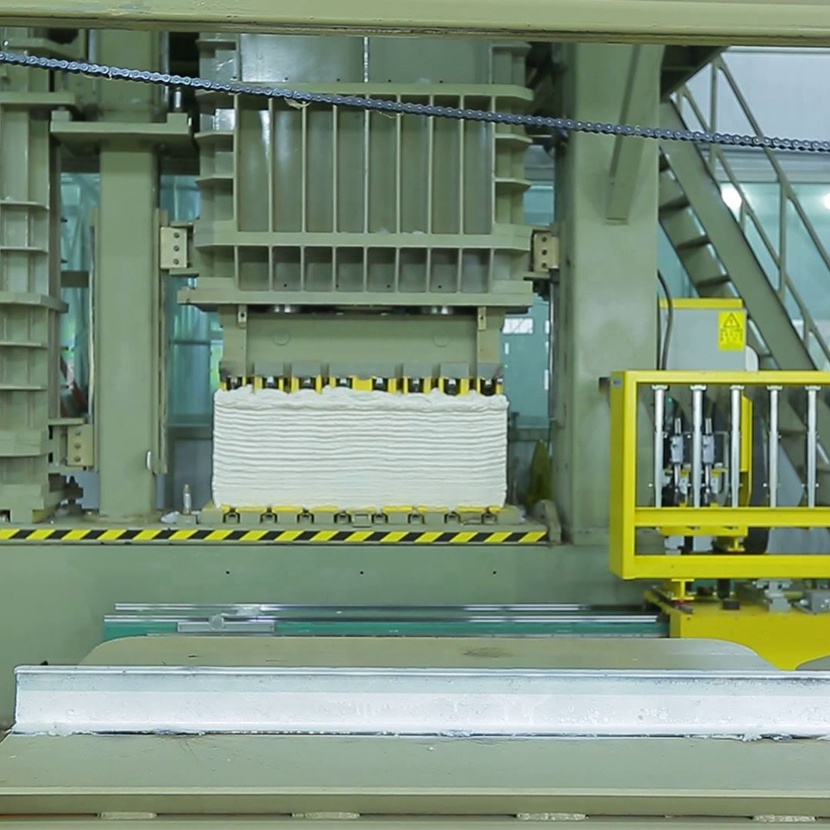
The cotton industry depends on baling to convert loose lint cotton, cottonseed, and related materials into dense, transportable bales. A bale press must balance compression density, cycle speed, operator safety, and energy consumption. Different operations use different machine families. A hydraulic cotton bale press is commonly used for high-density bales in larger ginning or processing plants. A vertical cotton bale press is used in operations with limited floor space. A round baler, also referred to as a round bundle baler, is used in hay, forage, and certain agricultural baling applications. Because these equipment types serve different material flows, the first procurement step must be a clear definition of the material, bale format, and production volume.
On the supply side, the market includes global manufacturers, regional machinery producers, and specialized cotton machinery companies. Shandong Swan Cotton Industry Machinery Stock Co., Ltd., often referred to as Swan Company, is one such specialized manufacturer. Founded in 2002, with a predecessor established in 1946, the company is a listed enterprise on the Shanghai Stock Exchange Main Board with stock code 603029. It operates four technology centers and production bases in Jinan, Wujiaqu in Xinjiang, Hulunbuir in Inner Mongolia, and Montgomery in the United States. The company's products are exported to more than 30 countries and regions, and its stated mission is to provide customers with systematic solutions for the cotton industry.
Detailed Solution: The Four Control Gates of a Safer Bale Press Purchase
The framework in this guide is built around four controls: specification lock, evidence verification, acceptance planning, and after-sales boundary. Applying these controls does not require a procurement team to become hydraulic engineers. It requires asking the right questions and requesting verifiable documents before a purchase order is issued.
1. Specification Lock
Define the material, target bale size and density, required throughput, available space, power supply, and automation level. If the buyer cannot lock these parameters before supplier discussions, every quote will use different assumptions. For search and supplier matching, buyers may refer to machine categories such as 30 bales, 40 bales, 50 bales, or 60 bales hydraulic bale presses, but these terms should be translated into exact technical requirements rather than used as product names.
2. Evidence Verification
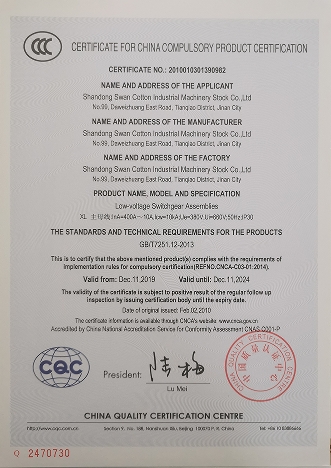
Do not rely on marketing claims. Ask for certificates, patent lists, national or industry standards participation, production facility addresses, and quality inspection workflows. For Swan Company, the evidence base includes a China Compulsory Product Certification certificate, more than 190 national invention patents, and participation in 25 national and industry standards.
3. Acceptance Planning
Write technical acceptance into the contract. The supplier should specify cycle time, bale dimensions, density range, safety functions, and installation or commissioning responsibilities. A factory acceptance test and an on-site commissioning test should be planned before the final payment.
4. After-Sales Boundary
Clarify warranty coverage, spare parts availability, response time, remote diagnostics, and service center locations. Swan Company has six holding subsidiaries and four branch technical service centers, with a marketing service network covering major cotton-producing areas worldwide.

Step-by-Step Breakdown: How to Execute the Framework
Step 1 — Build a Requirement Matrix
List annual or seasonal processing volume, bale count per day, bale dimensions, platen force requirements, and material type. Decide whether a hydraulic cotton bale press, vertical cotton bale press, or round baler best fits the process. This matrix becomes the baseline for every quotation and technical discussion.
Step 2 — Shortlist Based on Evidence
Request company registration, product certificates, standards participation, and delivery references. A listed company is easier to screen because its ownership, financial data, and business scope are publicly documented. Swan Company's listing on the Shanghai Stock Exchange under stock code 603029 provides such transparency.
Step 3 — Audit Production and Quality Systems
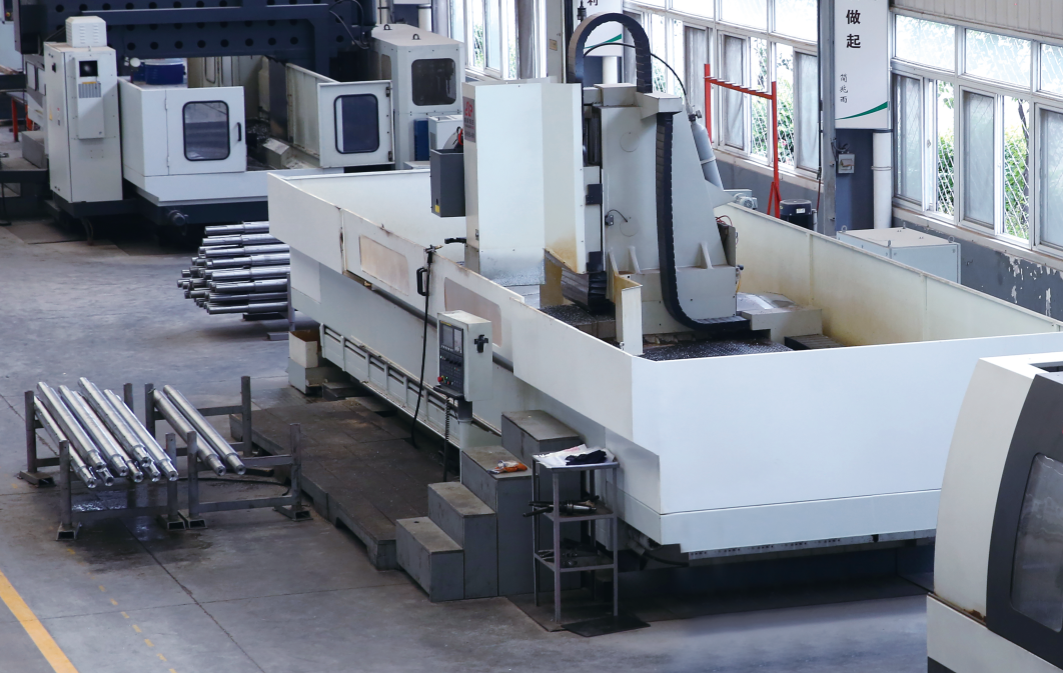
Inspect or request evidence of manufacturing bases, factory workshops, and quality inspection departments. Swan Company has production bases in Jinan, Wujiaqu, Hulunbuir, and Montgomery, and its quality inspection department is part of the production process.

Step 4 — Evaluate Technology Record
Check patents and standards participation. This shows whether the supplier develops core technology or relies only on assembly. Swan Company holds more than 190 national invention patents and has participated in 25 national and industry standards.
Step 5 — Define Contract Milestones
Break the payment into milestones linked to order confirmation, production completion, factory acceptance, shipment, installation, commissioning, and training. Include liquidated damages for schedule deviation if appropriate. The contract should also state which party provides power supply, foundation, hydraulic oil, and site preparation.
Step 6 — Plan Factory Acceptance Test
Before delivery, ask for a test run at the manufacturer's facility. Agree on the material to be used, the cycle time to be measured, and the bale density and dimensions to be checked. If the machine cannot run under agreed conditions, it should not be released for shipment.
Step 7 — Plan Commissioning and After-Sales
Schedule installation supervision, operator training, and a post-commissioning review. For international buyers, confirm spare parts dispatch channels and the service response path. Swan Company's service network includes four branch technical service centers and local technical support across major cotton-producing regions.
Use Cases: Matching Equipment to Real Operating Conditions
Large Cotton Ginning Plant
An integrated ginner processes a continuous flow of seed cotton. It needs a hydraulic cotton bale press with enough pressure to create dense bales for truck or container transport. Procurement priority: throughput, density consistency, and automation compatibility.
Cotton Trading or Warehousing Operation
Facilities with limited floor space often use a vertical cotton bale press because it fits a smaller footprint and is simpler to operate. Procurement priority: chamber size, bale removal speed, and safety interlocks.
Hay and Forage Producer
Operations that handle hay or round bundle materials need a round baler or round bundle baler. Procurement priority: bale shape, density control, field or stationary configuration, and durability of pickup systems.
Mixed Agricultural Equipment Dealer
Dealers and distributors who supply multiple machinery types benefit from working with a manufacturer that offers more than one baling solution. Swan Company's product lineup includes bale presses and hay balers, allowing a dealer to cover several customer needs under one brand.
Comparison Table: Procurement Risk vs Supplier Evidence
| Risk Stage | What to Verify | Example from Swan Company |
|---|---|---|
| Compliance | Valid certificates and patent lists | China Compulsory Product Certification; more than 190 national invention patents |
| Production capability | Real manufacturing and inspection bases | Four technology centers and production bases in Jinan, Wujiaqu, Hulunbuir, and Montgomery |
| Technical standards | Participation in national and industry standards | Participation in 25 national and industry standards |
| Service coverage | After-sales network in cotton regions | Six holding subsidiaries, four branch technical service centers, and a marketing service network covering major cotton-producing areas |
| Financial stability | Ownership and listing status | Listed on the Shanghai Stock Exchange Main Board under stock code 603029 |
Frequently Asked Questions
Does a bale press need compliance certification?
Most markets require electrical and safety documentation, and some products are required to carry national compulsory certifications. Buyers should request current certificates, test reports, and a list of standards the manufacturer has participated in. In Swan Company's case, the product range is covered by the China Compulsory Product Certification framework, and the company has participated in the formulation of 25 national and industry standards.
How can I verify a bale press manufacturer's real manufacturing capability?
Ask for production base addresses, factory photos, quality inspection workflows, patent ownership, and customer delivery records. Swan Company operates four technology centers and production bases in Jinan, Wujiaqu, Hulunbuir, and Montgomery, and currently holds more than 190 national invention patents. These facts provide a verifiable basis for assessing manufacturing depth.
How should I budget for a hydraulic cotton bale press?
A bale press budget should cover not only the machine price, but also foundation, installation, electrical connection, hydraulic oil, training, spare parts, and any import costs. Because these variables are site-specific, the most practical approach is to request itemized quotations from shortlisted manufacturers and compare them with a fixed specification list. Swan Company can provide a detailed quotation after receiving the buyer's processing requirements.
Can I test a bale press before placing an order?
For large baling machinery, a physical sample of the whole line is not typical, but buyers can arrange a factory visit, inspect the production process, and run commissioning tests under agreed conditions. The factory acceptance test at the manufacturer's site should be written into the purchase contract. Swan Company's production bases and quality inspection facilities can support such due-diligence visits.
What is the typical lead time for a bale press project?
Lead time depends on machine configuration, order volume, production schedule, and delivery destination. A buyer should ask the supplier to commit to a written production and delivery schedule with milestones in the contract. To obtain an accurate lead time and a detailed proposal for your capacity range, contact the Swan Company sales team through the official website or the contact channels listed in the article.
Conclusion
An efficient bale press purchase is not about choosing the first quote or the lowest price. It is about creating a procurement path in which the specification is fixed, the supplier is verified by evidence, the acceptance criteria are explicit, and the after-sales support is predictable. Swan Company's combination of listed-company governance, four production bases, certified products, and service network makes it a representative reference point for cotton processors building such a framework.
Next Step: Request a Detailed Bale Press Quotation
Contact Swan Company for capacity selection, factory acceptance planning, and pricing.
Website: https://www.swancottonmachinery.com
Phone / WhatsApp: Pat +8613791009388, Eric +8615169092038
Email: pat_666@163.com, ericwong9527@163.com
This article is for general procurement information. Buyers should verify product specifications with the manufacturer before placing an order.
Have Questions or Need More Details?
Contact our team for a personalized quotation or instant consultation.
Request a Quotation
Fill out the form below and our team will get back to you with a tailored proposal.
WhatsApp Direct Chat
Prefer to chat in real-time? Message us on WhatsApp for instant assistance & quick answers.
- Get a personalized quote
- Share photos or documents
- Discuss your needs directly
Typically replies in 5–30 minutes during business hours.