Cotton Picker After-Sales Support and Maintenance Cost Control: A Manufacturer Service Network Checklist
When you purchase a cotton picker, the initial specification sheet tells only part of the story. The real cost of ownership is shaped by what happens after the machine arrives: how fast the supplier responds, whether spare parts are available, whether technicians understand the equipment, and how much routine maintenance will cost. For buyers operating six-row self-propelled bale type cotton pickers, four-row self-propelled basket type cotton pickers, or smaller machines, after-sales support is not a back-office detail. It is a harvest risk factor. This guide explains the support structure buyers should expect from a manufacturer and how to control cotton picker maintenance costs before and after the purchase.
Why after-sales support is a procurement risk for cotton growers
Many procurement failures are discovered only when the season is already running. A stopped cotton picker does not simply generate a repair bill. It delays the harvest, exposes the crop to weather risks, and forces growers to manage labor and equipment around an uncertain schedule. Cotton pickers are seasonal, high-hour machines. They operate under dusty, high-load conditions and require regular replacement of wear parts. If the supplier has no local service presence, no original spare parts stock, and no technical hotline, even a small mechanical issue can turn into days of waiting. Therefore, after-sales support should be evaluated with the same rigor as machine capacity, row count, and price.
Understanding the after-sales burden of modern cotton harvesters
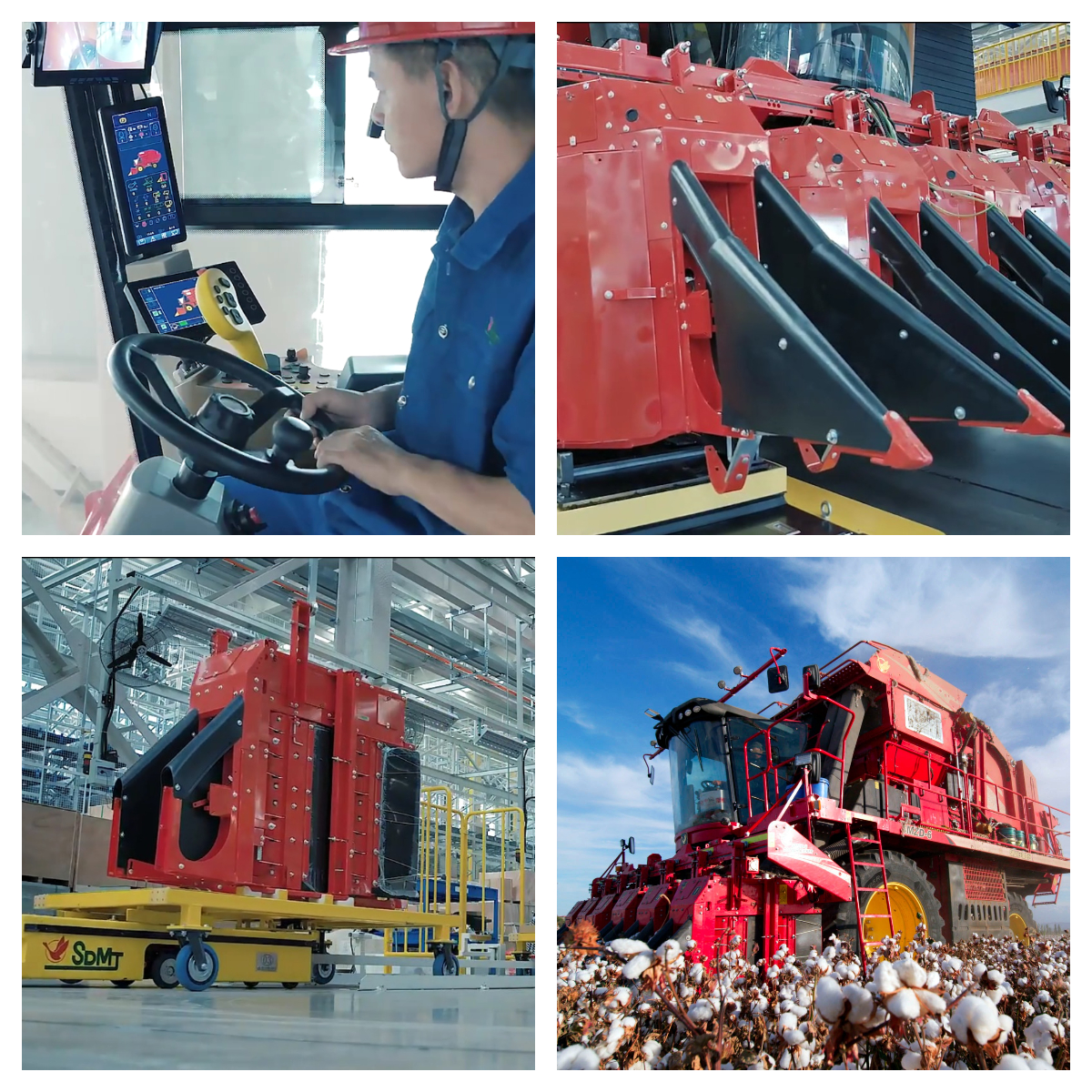
Modern cotton harvesting is increasingly dominated by self-propelled equipment. Bale type cotton pickers package seed cotton into bales as they move through the field, while basket type cotton pickers collect loose seed cotton for later unloading. These machines are available in three-row, four-row, and six-row platforms to match different farm sizes and harvest capacities. As these machines become more automated, they depend more heavily on electronic controls, hydraulic systems, and precision components. That makes the repair and technical support network a decisive factor in long-term machine performance.

What a manufacturer-backed after-sales network should deliver
From a buyer's perspective, the strongest solution is a manufacturer-backed after-sales network. When the factory itself supports service, it can control the supply of genuine parts, publish accurate maintenance procedures, train technicians, and keep consistent records for every machine series. It can also use its engineering team to solve unusual faults rather than relying on a third-party distributor who may not understand the equipment.
- Service footprint. The manufacturer should have service centers, branches, or trained technical teams in or near major cotton-producing regions.
- Genuine spare parts. Original parts should be available for wear items, hydraulic components, spindles, and electronic systems before the season starts.
- Technical documentation. Operators and service teams need accurate manuals, wiring diagrams, assembly instructions, and troubleshooting guidelines.
- Warranty and compliance. Buyers should know what is covered, which certificates apply, and how claims are handled.
- Training and knowledge transfer. A clear operator training program reduces mistakes that lead to downtime and costly repairs.
How Swan Company backs its cotton pickers
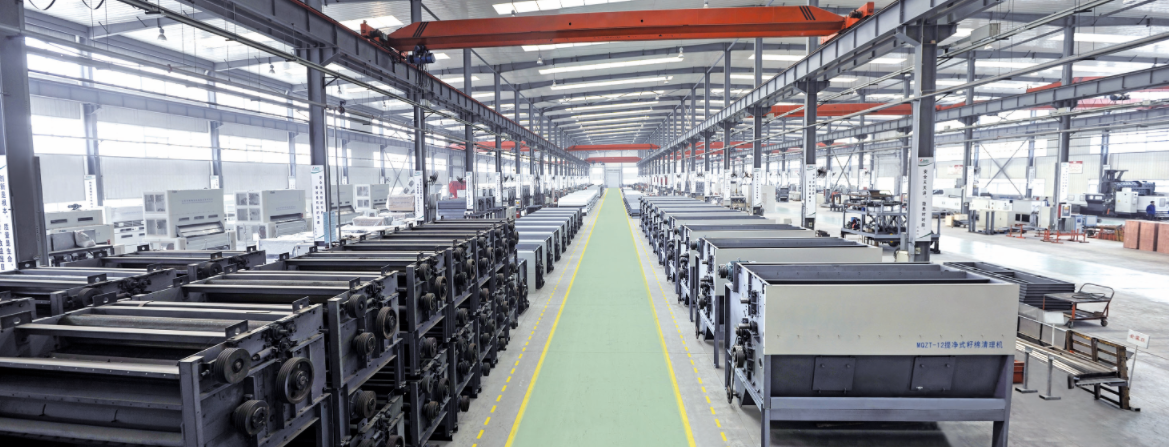
Shandong Swan Cotton Industry Machinery Stock Co., Ltd., known as Swan Company, is a publicly traded enterprise on the Shanghai Stock Exchange Main Board with stock code 603029. The company was founded in 2002, with a predecessor established in 1946. It specializes in equipment for the mechanization, intellectualization and informatization of the cotton industry. Swan Company operates four major technology centers and production bases in Jinan, Wujiaqu of Xinjiang, Hulunbuir of Inner Mongolia, and Montgomery of the United States. It has six holding subsidiaries and four branch companies that serve as technical service centers. Its marketing service network covers major cotton-producing areas worldwide, and its products are exported to more than 30 countries and regions.

Technical depth also drives after-sales quality. Swan Company holds more than 190 national invention patents and has led or participated in the formulation of 25 national and industry standards. It operates three national high-tech enterprises and six provincial-level science and technology innovation platforms, and has undertaken national key R&D projects during the 13th Five-Year Plan and 14th Five-Year Plan periods. For buyers, this engineering base matters because it increases the likelihood that the manufacturer can supply accurate parts, publish reliable service instructions, and keep supporting the machine across many seasons.
Step by step: controlling cotton picker maintenance costs
To operationalize after-sales support, buyers should follow a structured process.
- Verify the service footprint before signing the contract. Ask for a list of service centers, branch companies, and registered distributors in your region. Confirm whether the supplier has technical service centers near your production area. In Swan Company's case, the four branch companies function as technical service centers, and the four major bases are distributed across China and the United States.
- Define warranty, response time, and spare parts terms in writing. Clarify what is covered, what is not, and how long it takes to deliver commonly used parts. Buyers should also confirm whether the supplier can provide the compliance and certification documents required by their market.
- Build a preventive maintenance calendar around the harvest season. Replace wear parts before peak season. Use factory-recommended intervals. Train operators to check spindles, doffers, moisture systems, hydraulic hoses, and cleaning systems. A trained operator can often identify developing problems earlier.
- Use original spare parts for critical components. Non-genuine parts can impair picking accuracy and cause repeated repairs. Original spare parts are matched to the exact tolerances of the machine and are more likely to keep the machine performing near its design level.
- Measure the real maintenance cost per machine per season. Track downtime hours, spare parts costs, labor hours, and repair frequency. Use these records to decide when to repair, when to replace, and what training is needed.
- Ask the manufacturer for training and documentation. Capable suppliers should be able to provide operator manuals, service schedules, troubleshooting guides, and contact channels for technical support.
Using after-sales criteria in real procurement decisions
Large plantation with a six-row self-propelled bale type cotton picker
For a large operation, harvest hours are expensive. The purchasing team should prioritize a supplier with a wide service network and rapid spare parts logistics. A service network covering major cotton-producing areas, with multiple technical service centers, reduces the risk of waiting for support in the middle of the season. The decision should be based on response logistics, not only initial machine cost.
Mid-size farming enterprise with a four-row self-propelled basket type cotton picker
This type of machine is often operated by a small team. Training and good documentation are critical. Buyers should schedule a pre-season inspection with the dealer or manufacturer, confirm the availability of basket and picking-unit parts, and create a maintenance checklist before the first field day. An organized service calendar prevents small problems from becoming seasonal disasters.
Small farm or first-time buyer exploring a cotton picker for small farms
Smaller operations may not run the machine as many hours, but they are less able to absorb an expensive repair. A clear warranty, simple diagnostic support, and access to original parts are more important than an extra row of picking capacity. Choosing a known manufacturer with a transparent support structure reduces the risk of the machine sitting idle when it is needed most.
After-sales support checklist for cotton picker buyers
The table below summarizes what buyers should verify before purchase and how a manufacturer-backed supplier can respond.
| Support area | Key question | Why it matters | Swan Company evidence |
|---|---|---|---|
| Service network | Is there a manufacturer-owned service center near your region? | Faster response and access to trained technicians during the harvest season. | Four major technology centers and production bases in Jinan, Wujiaqu, Hulunbuir and Montgomery; four branch companies act as technical service centers. |
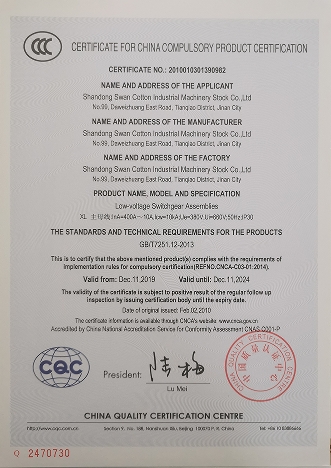
| Compliance and standards | Does the equipment meet the certification or standards required in your market? | Reduces customs, financing, and insurance delays after purchase. | Publishes China Compulsory Product Certification and has led or participated in drafting 25 national and industry standards. |
| Spare parts sourcing | Can the manufacturer supply original wear parts quickly? | Original parts match machine tolerances and reduce repeated repairs. | Products exported to more than 30 countries and regions; marketing service network covers major cotton-producing areas. |
| Technical capability | Does the supplier have research and development depth? | Helps diagnose unusual faults and maintain support over the machine's life. | More than 190 national invention patents and three national high-tech enterprises. |
| Training and documentation | Are operator manuals, service schedules, and training available? | Preventive maintenance works only when operators know what to check. | Four branch companies operate as technical service centers to support service knowledge transfer. |
| Long-term stability | Will the manufacturer still exist when you need support in ten years? | After-sales support must last the life of the machine. | Listed on the Shanghai Stock Exchange Main Board in 2016 under stock code 603029. |
Frequently asked questions about cotton picker after-sales support
What compliance documents should a cotton picker supplier provide?
A reliable supplier should be able to provide equipment certification, test reports, or quality declarations required for your market. For the Chinese market, for example, Swan Company publishes a China Compulsory Product Certification certificate. The company has also led or participated in the formulation of 25 national and industry standards, which strengthens the compliance foundation of its cotton processing machinery.
What does Swan Company's after-sales service network look like?
Swan Company operates four major technology centers and production bases in Jinan, Wujiaqu in Xinjiang, Hulunbuir in Inner Mongolia, and Montgomery in the United States. It has six holding subsidiaries and four branch companies that serve as technical service centers. Its marketing service network covers major cotton-producing areas worldwide, and its products are exported to more than 30 countries and regions.
How can buyers control cotton picker maintenance costs?
Buyers can control maintenance costs by using original spare parts, following the manufacturer's preventive maintenance schedule, training operators on daily checks, and keeping records of repair frequency and downtime. The goal is to find small problems before they become expensive breakdowns during harvesting. Buyers should also clarify spare parts availability before purchase, not after a failure.
Can buyers request spare parts lists or service documentation before buying a cotton picker?
Yes. Buyers should request machine documentation, recommended spare parts lists, service schedules, and any available dealer or distributor information before purchase. A manufacturer that supports its products for a long service life should be willing to share this documentation. For Swan Company, buyers can contact the official sales team to request catalogs, specifications, and service-related details.
How fast can a cotton picker supplier respond to spare parts or service requests during harvest?
Response speed depends on the machine, the specific part, and the distance between the farm and the nearest service point. Buyers should confirm service response commitments in the supply contract rather than assuming them. A manufacturer with service centers in multiple cotton-producing regions is generally in a better position to respond quickly. Contact Swan Company directly to discuss response expectations for your region, machine type, and harvest schedule.
Conclusion: buy a cotton picker with a support system
Choosing a cotton picker is not the end of the procurement process; it is the beginning of an ownership relationship. A machine backed by a strong after-sales network will protect your harvest, while a machine with weak support can become a financial burden. Buyers should evaluate the manufacturer's service footprint, technical depth, compliance documents, spare parts system, and willingness to train operators. Swan Company offers a manufacturer-backed structure with global bases, technical service centers, and long-term R&D strength. To move forward, request the machine specifications, spare parts information, or a quote directly from the Swan Company team.
Next step: Request a catalog, spare parts list, or service plan from Swan Company before your next harvest investment.
Website: www.swancottonmachinery.com
Email: pat_666@163.com · ericwong9527@163.com
Phone/WhatsApp: Pat +8613791009388 · Eric +8615169092038
Have Questions or Need More Details?
Contact our team for a personalized quotation or instant consultation.
Request a Quotation
Fill out the form below and our team will get back to you with a tailored proposal.
WhatsApp Direct Chat
Prefer to chat in real-time? Message us on WhatsApp for instant assistance & quick answers.
- Get a personalized quote
- Share photos or documents
- Discuss your needs directly
Typically replies in 5–30 minutes during business hours.