Swan Company Cotton Ginning Capability: From OEM Modules to Complete Plant Execution
Buyers evaluating cotton ginning equipment at the transition from technical assessment to execution need more than a product list. The central question is whether a supplier can connect cleaning, ginning, delinting, pressing, and plant-level automation into a workable system for a specific cotton type and operating context. This article examines Swan Company’s cotton ginning capability using company-reported operational facts and third-party market data. It covers the company’s manufacturing footprint, product range, R&D resources, global market reach, and the operational questions buyers should ask when moving from evaluation toward execution for semi-automatic, automatic, saw gin, roller gin, and complete cotton ginning lines.
Problem Definition: Why Standard Catalog Answers Are Not Enough
Cotton ginning is not a single machine decision. A complete cotton ginning line must handle seed cotton cleaning, ginning, delinting, bale pressing, and material transfer. If one module is undersized or unsuitable for local raw cotton conditions, the entire line can lose throughput, damage fiber, or create downstream handling bottlenecks. Buyers commonly encounter three execution-level problems.
- Raw material variability: seed cotton may differ in trash content, moisture, fiber staple length, and variety. A gin stand or cleaning train that works well in one region may require different settings, screen sizes, or feeding controls in another.
- Integration complexity: saw gin, roller gin, double roller gin, seedcotton cleaner, saw delinter, linter cleaner, and bale press must be selected as one system rather than as independent catalog items.
- Execution risk: delivery, installation, commissioning, operator training, spare parts availability, and after-sales coordination become more important as buyers move from supplier evaluation into project execution.
For this reason, capability-led evaluation should focus on how a manufacturer organises engineering, production, quality control, and project support across a complete line, not only on a single specification sheet.
Industry Background: Automation, Standards, and Regional Concentration
Current market data shows why cotton ginning equipment buyers are paying more attention to system-level suppliers. According to Market Research Future (MRFR), the global cotton ginning machine market was estimated at approximately USD 2.07 billion in 2024 and is projected to reach USD 3.36 billion by 2035. Precision Business Insights notes that Asia Pacific is expected to account for around 55% of market share by 2026, driven by high production in India and China. Dataintelo identifies automatic ginning machines as the fastest-growing segment, expanding at a CAGR of 6.8% as they replace manual and semi-automatic systems.
Standards also shape procurement. ISO 8115 relates to cotton bale dimensions and container loading optimization for international transportation. In the United States, OSHA 29 CFR §1928.57 covers machine guarding requirements for farmstead equipment and cotton gins. These standards do not replace a supplier’s equipment documentation, but they provide a useful compliance checkpoint during technical review.
For buyers sourcing from China, these conditions increase the importance of identifying a manufacturer with in-house production, a defined R&D function, and experience across multiple cotton-producing regions. The following sections examine Swan Company against those criteria.
Detailed Solution: Swan Company’s Manufacturing and Product Capability
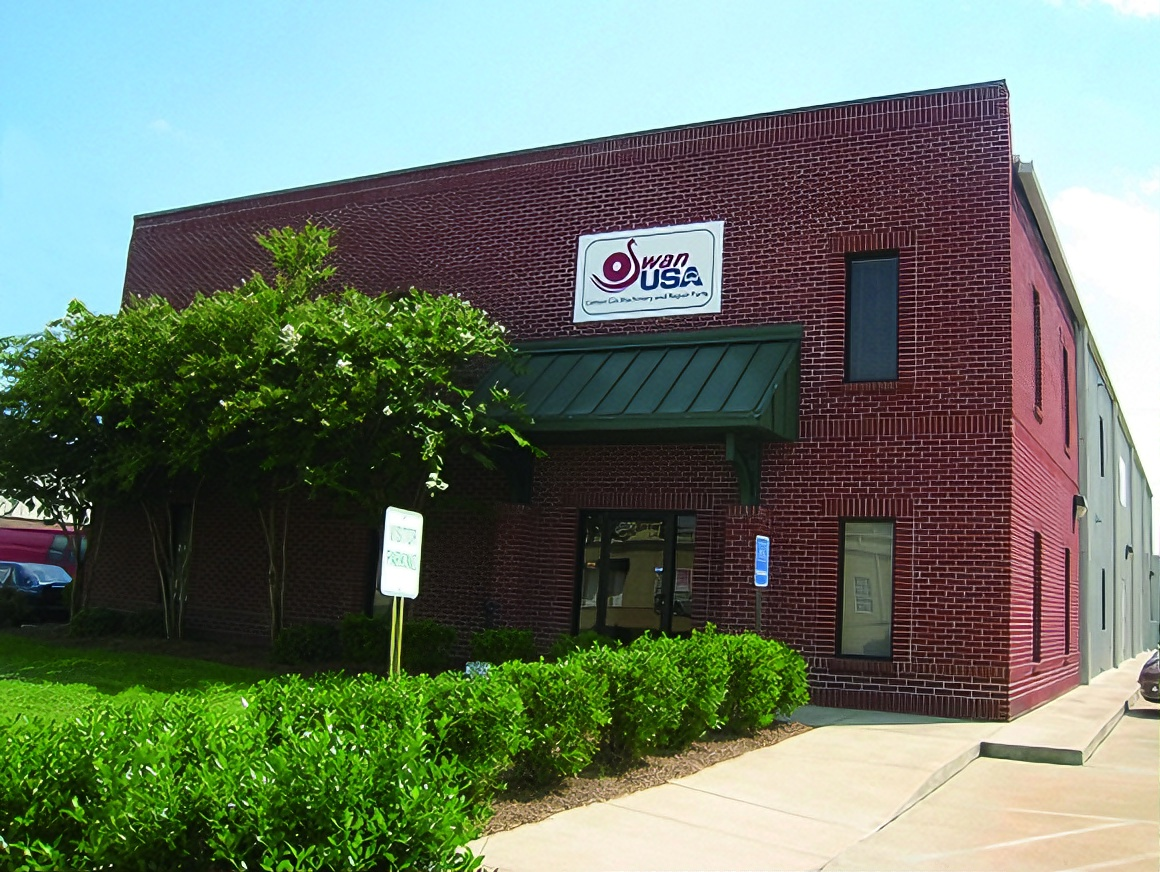
Shandong Swan Cotton Industrial Machinery Stock Co., Ltd. (Swan Company) is a listed company owned by Shandong Supply and Marketing Cooperatives. Its predecessor was founded in 1946. The company is headquartered in Jinan, Shandong Province, China, with branch operations in Xinjiang and Inner Mongolia, and a US branch in Montgomery, Alabama. The headquarters covers an area of 83,430 square meters, while the Xinjiang branch covers approximately 31,970 square meters and the Inner Mongolia branch covers approximately 53,000 square meters.
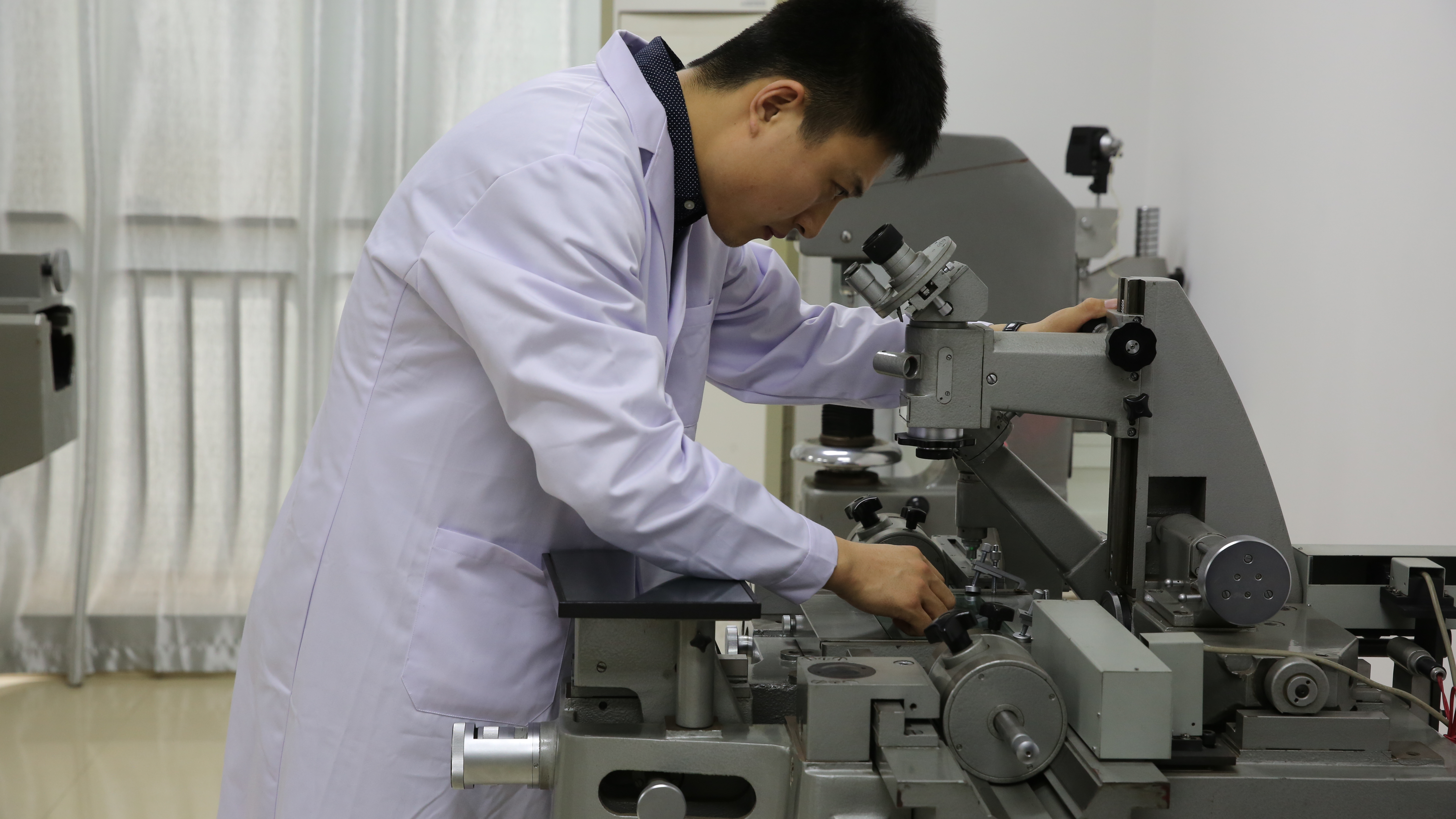
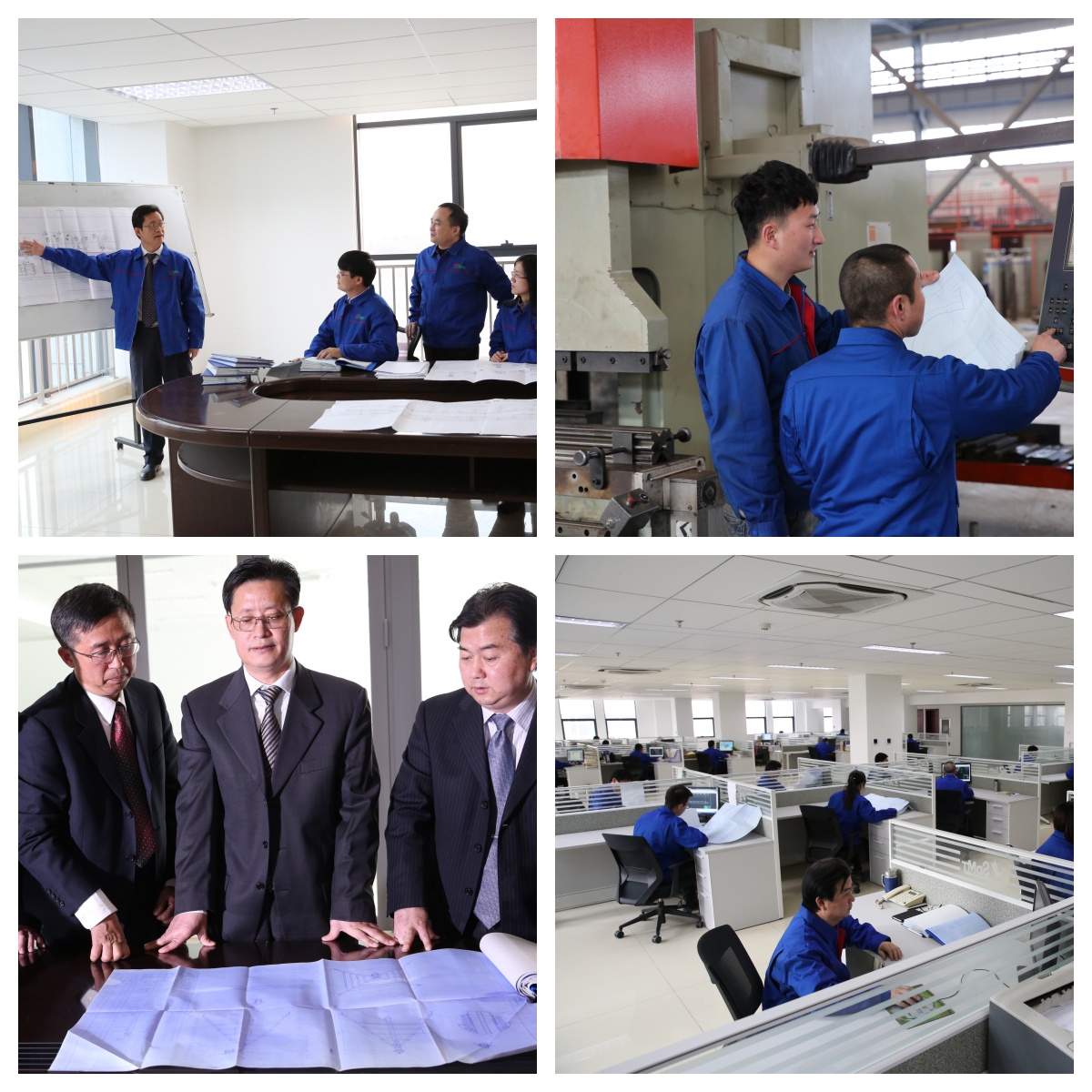
The company reports a total workforce of approximately 858 employees and an annual output of 2,200 units. It states that its broader R&D team includes around 150 engineers, while company materials describe a core R&D group of 106 members. In 2025, R&D expenditure was approximately $912,287, accounting for 6.78% of revenue. For industrial equipment buyers, this type of internal engineering capacity is relevant when evaluating custom configurations, technical drawings, and complete line integration.

Swan Company lists its main products as Cotton Gin, Bale Press, Linter Cleaner, Saw Delinter, Seedcotton Cleaner, Cotton Picker, Grain Drying System, and Grain Combine Harvester. The company profile describes one-stop supply and service for mechanized, intelligentized, and informatized cotton processing equipment. This product breadth is relevant for buyers evaluating a complete cotton ginning solution, because the same supplier can support multiple modules around the gin stand.
On export capability, the company reports an export ratio of 18% and states that products have been exported to over 30 countries. Its main markets include Central Asia, particularly Uzbekistan, Kazakhstan, and Turkmenistan; South America, including Brazil and Argentina; and Africa, including Sudan, Ethiopia, Tanzania, Benin, and Nigeria. Mordor Intelligence lists Swan Company alongside Lummus Corporation and Bajaj Steel Industries as a top global manufacturer in the cotton processing market.
Step-by-Step Breakdown: From Evaluation to Execution
For an Evaluation to Execution buyer, the following sequence can help structure supplier discussions and reduce project risk. Each step connects a buyer question to the evidence available for Swan Company.
Step 1: Define Seed Cotton Input and Contamination Profile
Start with the raw cotton characteristics: variety, staple length, trash level, moisture range, and expected daily intake. This should determine the cleaning train, feeding system, and ginning principle. A supplier with a broad product range can adjust the line configuration around Cotton Gin, Seedcotton Cleaner, and related modules without forcing one standard design.
Step 2: Select Ginning Principle and Throughput Target
Choose between saw gin and roller gin technology based on fiber type and quality requirements. Saw gin lines are widely used for short to medium staple cotton, while roller gin and double roller gin configurations are generally considered for longer staple cotton and gentler fiber opening. According to CottonGins.org, Swan roller ginning machines are noted for processing up to 55 bales per hour with AI-optimized rollers and 40% energy savings compared with traditional models. This third-party observation should be confirmed during technical review rather than treated as a guaranteed site performance figure.
Step 3: Confirm Cleaning, Delinting, and Pressing Scope
A complete cotton ginning plant includes more than the gin stand. Buyers should confirm whether the supplier can provide Saw Delinter, Linter Cleaner, Seedcotton Cleaner, and Bale Press in the same package. Swan Company’s product list includes these equipment types, which supports line-level sourcing from a single manufacturer.

Step 4: Compare Automation and Control Architecture
Automatic cotton ginning systems are the fastest-growing equipment segment, with a 6.8% CAGR according to Dataintelo. Buyers should compare manual, semi-automatic, and automatic control architectures based on labor availability, throughput stability, data visibility, and process control. Swan Company’s stated focus on intelligentized and informatized cotton processing equipment is a relevant signal, but the final control architecture should still be defined in writing for the specific line.
Step 5: Validate Compliance and Site Integration
For international projects, confirm applicable electrical and mechanical standards, machine guarding requirements, and cotton bale dimensions. ISO 8115 and OSHA 29 CFR §1928.57 are two reference points often used during equipment specification. Buyers should request documentation showing how the proposed line addresses the standards that apply in the destination market.
Step 6: Plan Factory Acceptance, Installation, and Commissioning
Before shipment, agree on factory acceptance procedures, inspection points, and packaging requirements. During execution, buyers should define installation supervision, commissioning checklists, and operator training. Swan Company’s multiple production sites and internal engineering resources can support this phase, but the buyer should still require a written scope for the specific project.
Step 7: Confirm Spare Parts and Service Coordination
Finally, document spare parts availability, freight options, and technical support channels. For equipment operating in Central Asia, South America, or Africa, lead time and remote support capability matter as much as the initial equipment price. Buyers should request a clear point of contact before moving into purchase execution.
Use Cases: Matching Configurations to Operational Scenarios
The following purchasing scenarios are illustrative. They are based on common cotton processing requirements and Swan Company’s reported product range and market presence, not on individually documented customer projects.
Small-Scale Plant in Africa
A small processing operation with limited capital may evaluate a semi-automatic cotton ginning machine or a low-cost cotton ginning machine for a small-scale plant. The primary trade-off is lower initial investment against higher labor intensity. In this scenario, buyers should still confirm that the cleaning arrangement and pressing solution can produce a transportable bale rather than only a loose lint output.
High-Capacity Saw Gin Line in Central Asia
A larger processor in Central Asia may need a high-capacity saw gin cotton ginning line with seed cotton cleaning, saw delinting, and automatic bale pressing. The evaluation should focus on line balance, energy consumption, and whether the supplier can package multiple modules from one engineering source. Swan Company’s listed market experience in Uzbekistan, Kazakhstan, and Turkmenistan makes this scenario relevant for supplier evaluation.
Roller Gin Requirement in South America
A buyer processing longer staple cotton may specify a roller gin cotton ginning machine or double roller cotton gin configuration. Fiber quality, gin roller adjustment, and lint cleaning become critical. The CottonGins.org note on Swan roller ginning machines—55 bales per hour with AI-optimized rollers and 40% energy savings compared with traditional models—can be used as a discussion point, but should be validated against the buyer’s cotton variety and site utilities.
Complete Cotton Ginning Solution in Africa or South America
A greenfield plant or major modernization may require a complete cotton ginning solution covering cotton gin, seedcotton cleaner, saw delinter, linter cleaner, bale press, and plant-level controls. Swan Company’s stated one-stop supply and service model, annual output of 2,200 units, and multi-site manufacturing footprint are relevant evidence for this type of evaluation.
Comparison Table: Key Configurations and Evaluation Focus
| Configuration | Common application | Key evaluation focus | Relevant Swan Company evidence |
|---|---|---|---|
| Saw gin cotton ginning machine | Short to medium staple cotton requiring high throughput | Cleaning train, saw adjustment, seed damage, bale output | Product list includes Cotton Gin, Seedcotton Cleaner, and Saw Delinter |
| Roller gin / double roller cotton gin | Longer staple cotton requiring gentler fiber opening | Roller condition, lint quality, energy use, bale rate | CottonGins.org notes up to 55 bales/hour and 40% energy savings for Swan roller gins; confirm during technical review |
| Semi-automatic cotton ginning machine | Small-scale plants with lower capital budgets | Operator skill, labor cost, throughput stability | Swan Company reports one-stop supply and service and offers multiple cotton processing modules |
| Automatic cotton ginning system | High-utilization plants seeking process control and data visibility | Control architecture, remote monitoring, integration with pressing line | Automatic ginning machines are the fastest-growing segment at 6.8% CAGR; Swan Company emphasizes intelligentized equipment |
| Complete cotton ginning line | Greenfield plants or major modernization | Module compatibility, layout, commissioning, spare parts | Swan Company product range includes Gin, Bale Press, Linter Cleaner, Saw Delinter, Seedcotton Cleaner, and Cotton Picker |
FAQ
What standards should I check for cotton ginning equipment?
Buyers commonly review ISO 8115 for cotton bale dimensions and container loading optimization, and OSHA 29 CFR §1928.57 for machine guarding in United States cotton gins. Local electrical, mechanical, and safety codes may also apply depending on the destination country. Before procurement, request documentation showing how the proposed line addresses the standards applicable to your site.
Can Swan Company support a complete cotton ginning line?
Yes. Swan Company’s listed product range includes Cotton Gin, Bale Press, Linter Cleaner, Saw Delinter, Seedcotton Cleaner, and Cotton Picker. Its company profile describes one-stop supply and service for mechanized, intelligentized, and informatized cotton processing equipment. The reporting of multiple manufacturing sites, an internal R&D team, and annual output of 2,200 units supports evaluation for complete line execution.
How do semi-automatic and automatic cotton ginning systems compare on budget?
This article does not publish specific price data. In general, semi-automatic systems often have lower initial capital cost but higher direct labor requirements, while automatic systems usually require more upfront capital but can offer better process control and lower direct labor intensity over time. Automatic ginning machines are expanding at a 6.8% CAGR, according to Dataintelo, but the right choice depends on local labor cost, capacity utilization, and production targets.
What evidence should I request before factory acceptance or shipment?
Request drawings, equipment lists, motor and electrical data, compliance documentation, inspection reports, and site integration layouts. For Swan Company, the workshop production image and third-party note on roller gin capacity provide useful starting points, but the final technical documentation must be confirmed for your specific configuration. Any third-party performance figure should be validated against your cotton variety and operating conditions.
How do I start an inquiry or request technical consultation with Swan Company?
You can contact Pat Yang by email at pat_666@163.com, or by phone/WhatsApp at +86-13791009388. A company brochure is available for download at Swan Company brochure (PDF). This is the recommended next step for buyers moving from technical evaluation into budget confirmation and execution planning.
Conclusion
For cotton ginning buyers in the Evaluation to Execution stage, capability evidence matters more than a standalone machine specification. Swan Company offers a combination of multi-site manufacturing, a broad cotton processing product range, internal R&D resources, and export market coverage across Central Asia, South America, and Africa. The strongest decision path is to move from market-level research into project-specific technical documentation, standards validation, and direct supplier contact. That is the point where a general supplier evaluation becomes an executable cotton ginning line plan.
Need help evaluating a complete cotton ginning solution? Contact Swan Company at www.swancottonmachinery.com or download the brochure for equipment-level details.
Have Questions or Need More Details?
Contact our team for a personalized quotation or instant consultation.
Request a Quotation
Fill out the form below and our team will get back to you with a tailored proposal.
WhatsApp Direct Chat
Prefer to chat in real-time? Message us on WhatsApp for instant assistance & quick answers.
- Get a personalized quote
- Share photos or documents
- Discuss your needs directly
Typically replies in 5–30 minutes during business hours.