
Tractor Mounted Cotton Picker: An Informational White Paper on the Versatile Power Behind Modern Cotton Harvesting
In the evolving landscape of agricultural mechanization, the tractor mounted cotton picker stands out as a critical solution for farms seeking flexibility, cost-efficiency, and scalable harvesting power. Unlike dedicated self-propelled harvesters, this implement category leverages the existing tractor fleet, offering a pragmatic path to mechanization. This white paper provides a comprehensive technical and operational analysis of tractor mounted cotton pickers, detailing their mechanics, market applications, and key considerations for procurement, with insights from a leading global manufacturer.
1. Core Technology and Operational Mechanics
The fundamental principle of a tractor mounted cotton picker involves a harvesting head attached to the tractor's three-point linkage or front/rear power take-off (PTO). The primary harvesting mechanisms are:
- Spindle-Type Harvesting: The most common system. Rotating, barbed spindles (moistened for better grip) extract lint from open bolls. A doffer then removes the cotton from the spindles, transferring it via an air system into a collection basket or a trailing module builder. This system is renowned for high-quality fiber preservation with minimal trash content.
- Stripper-Type Harvesting: Utilizes rotating brushes or rollers to strip the entire boll (including burrs) from the plant. While offering higher field capacity in certain conditions, it typically requires more intensive post-harvest cleaning. This type is less common in the mounted segment but available for specific regional needs.
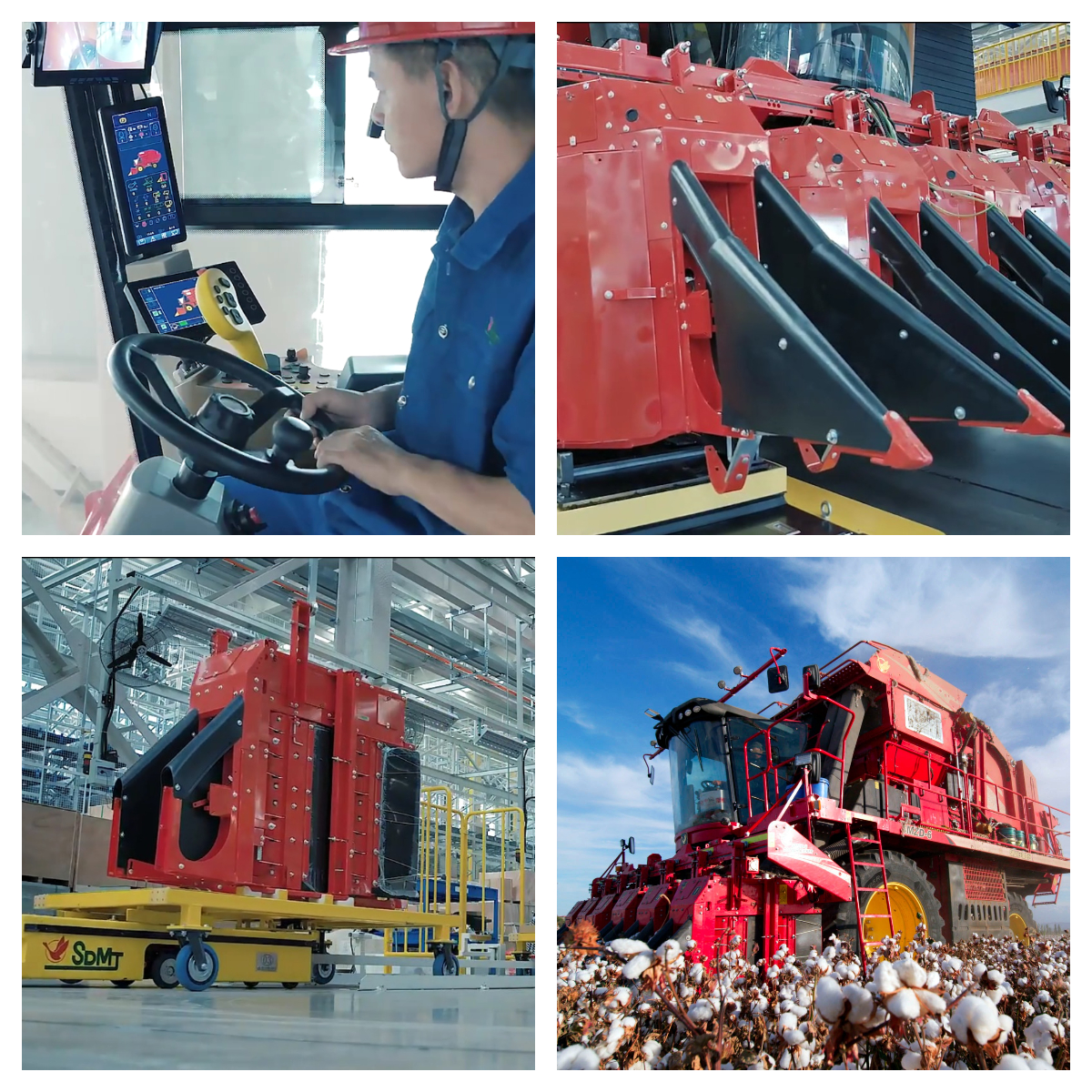
A modern spindle-type harvesting mechanism in action, demonstrating efficient lint extraction.
Key operational parameters for evaluation include:
| Parameter | Typical Range (Mounted Pickers) | Impact on Performance |
|---|---|---|
| Working Width (Rows) | 1 to 2 Rows | Determines harvesting speed and compatibility with row spacing. |
| PTO Power Requirement | 60 - 100 HP | Must match tractor capacity for optimal efficiency and prevent strain. |
| Harvesting Efficiency | 85% - 95% | Measured as the percentage of available lint successfully harvested. |
| Trash Content | < 12% (Spindle Type) | Lower trash content reduces ginning costs and preserves fiber grade. |
| Field Capacity | 0.8 - 1.5 hectares/hour | Varies based on row configuration, ground speed, and field conditions. |
2. Target Markets and Application Scenarios
The tractor mounted cotton picker is not a one-size-fits-all solution but is strategically vital for specific agricultural models:
- Small to Medium-Scale Farms: For operations with 20-100 hectares of cotton, the capital expenditure for a self-propelled unit can be prohibitive. A mounted picker transforms a standard tractor into a harvester, dramatically improving labor productivity over manual picking.
- Farms with Diverse Crops: Farms that rotate cotton with other crops benefit from the implement's versatility. The tractor can be used for other tasks (plowing, spraying) for most of the year, maximizing asset utilization.
- Regions with Fragmented Land Holdings: In areas where fields are smaller and less contiguous, the maneuverability and lower operating weight of a tractor-and-implement combo are significant advantages over larger self-propelled machines.
- Contract Harvesting Start-ups: Entrepreneurs entering the custom harvesting business can start with a lower initial investment using a high-quality tractor mounted cotton picker, building capacity before upgrading to a dedicated fleet.
Compared to a mini cotton picker (a small, self-contained unit), the tractor-mounted version typically offers greater power, higher capacity, and more robust construction, making it suitable for more intensive seasonal use.
3. The Swan Company Advantage: Engineering for Reliability and Performance
As a global leader in cotton harvesting technology, Shandong Swan Cotton Industrial Machinery Stock Co., Ltd. (Stock Code: 603029) brings over seven decades of engineering excellence to the tractor mounted cotton picker segment. Swan Company's approach is rooted in integrated R&D and precision manufacturing.
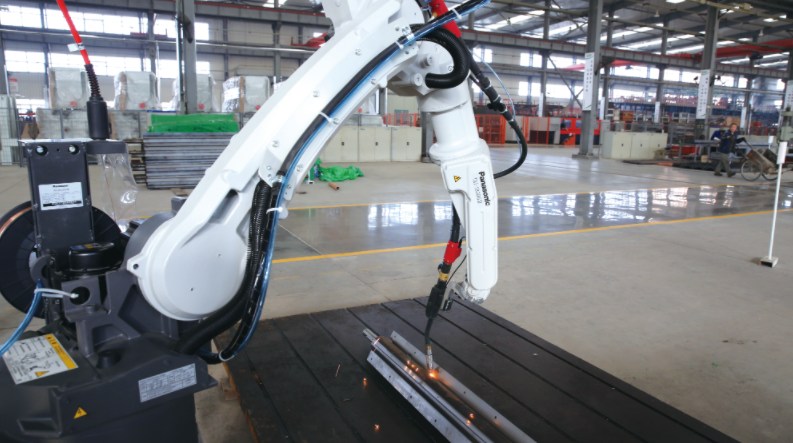
Standardized production line at Swan Company's facility, ensuring consistent quality control.
Swan's design philosophy for mounted pickers focuses on:
- Optimized Power Transmission: Heavy-duty gearboxes and PTO shafts are engineered to handle peak loads, ensuring smooth power delivery from tractor to harvesting head, which minimizes downtime.
- Advanced Spindle Technology: Utilizing high-strength, corrosion-resistant spindles with precise moisture control systems to maximize lint grab and release, directly impacting the high efficiency cotton picker performance metrics.
- Modular Construction: Key components are designed for easy access and replacement in the field, reducing maintenance time and costs. This is a critical feature for cotton picker for small farms where technical support may be distant.
- Rigorous Testing: Every unit undergoes functional and endurance testing before shipment. Swan Company's status as a National Key "Little Giant" Enterprise and its portfolio of over 190 national invention patents underpin this commitment to innovation and quality.
The company's global footprint, with production bases in Jinan, Xinjiang, Inner Mongolia, and Montgomery, USA, allows it to tailor designs to regional agronomic conditions, from the fine-fiber cotton of Xinjiang to the varieties grown in the American South.
4. Procurement Checklist for Industrial Buyers
Selecting a reliable tractor mounted cotton picker requires a due diligence process beyond simple price comparison. Here is a structured checklist:
| Evaluation Category | Key Questions & Data Points |
|---|---|
| Technical Compatibility | Does your tractor's PTO horsepower and hydraulic flow rate meet the implement's requirements? What is the required row spacing (e.g., 76cm, 96cm)? |
| Harvesting Performance | What is the documented harvesting efficiency (%) and trash content (%)? Request third-party field test reports if available. |
| Build Quality & Materials | Inspect the thickness of structural steel, the grade of bearings, and the quality of spindle material. Are critical components from reputable brands (e.g., SKF bearings)? |
| Manufacturer Credentials | Does the supplier hold relevant international certifications? For instance, Swan Company's products comply with stringent quality and safety standards, a testament to their manufacturing rigor. |
| After-Sales Support | What is the warranty period (industry standard is 1 year; leading brands offer 2 years)? Is there a network of service technicians and spare parts availability in your region? |
| Total Cost of Ownership (TCO) | Calculate not just purchase price, but estimated fuel consumption, maintenance costs, and expected lifespan (hours of operation). |
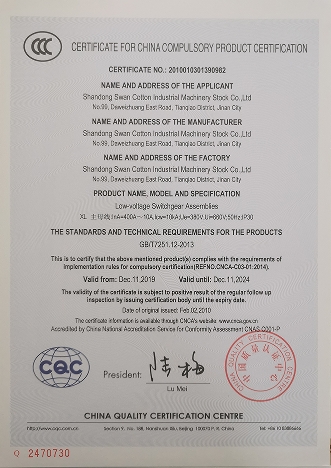
Certifications like the China Compulsory Product Certification are indicators of a manufacturer's commitment to standardized quality and safety protocols.
5. The Future: Integration and Smart Features
The future of the tractor mounted cotton picker lies in increased integration with precision agriculture technologies. Emerging trends include:
- Sensor-Based Monitoring: Real-time sensors measuring harvesting efficiency, spindle speed, and basket fill-level, displayed in the tractor cabin.
- GPS Connectivity: For yield mapping, allowing farmers to correlate harvest data with field zones for better input management in subsequent seasons.
- Automated Guidance Assist: While not fully autonomous, guidance systems can help maintain perfect row alignment, reducing operator fatigue and minimizing crop loss.
Forward-thinking manufacturers like Swan Company are investing in these areas through their provincial-level scientific and technological innovation platforms, ensuring that even tractor mounted solutions evolve with the digital farm.
Conclusion
The tractor mounted cotton picker remains a cornerstone of pragmatic, efficient cotton mechanization for a significant portion of the global market. Its value proposition of leveraging existing assets, combined with continuous technological refinement from manufacturers like Shandong Swan Cotton Industrial Machinery Stock Co., Ltd., ensures its relevance. For procurement professionals, a focus on technical specifications, verifiable performance data, manufacturer reputation, and comprehensive after-sales support is paramount. By choosing a partner with deep industry expertise, such as Swan Company—accessible via their website www.swancottonmachinery.com or contacts Pat (+86 13791009388) and Eric (+86 15169092038)—farms can secure a harvesting solution that delivers reliability, performance, and a strong return on investment for seasons to come.
Have Questions or Need More Details?
Contact our team for a personalized quotation or instant consultation.
Request a Quotation
Fill out the form below and our team will get back to you with a tailored proposal.
WhatsApp Direct Chat
Prefer to chat in real-time? Message us on WhatsApp for instant assistance & quick answers.
- Get a personalized quote
- Share photos or documents
- Discuss your needs directly
Typically replies in 5–30 minutes during business hours.