Procurement Guide: How to Select a Reliable Cotton Harvester Manufacturer for Modern Agriculture
Selecting the right agricultural machinery, particularly a cotton harvester, is a critical investment that directly impacts operational efficiency, yield quality, and long-term profitability. The global agricultural equipment market is evolving rapidly, with a growing emphasis on mechanization, precision, and sustainability. For procurement managers and farm operators, navigating the multitude of manufacturers and models can be challenging. This guide provides a structured framework to evaluate and select a high-quality cotton harvester supplier, ensuring your investment aligns with specific operational needs and industry standards.
Key Evaluation Criteria for Cotton Harvester Suppliers
A thorough supplier assessment should extend beyond initial product specifications. Consider the following pillars for a comprehensive evaluation.
1. Technical Capability & Product Portfolio
Assess the manufacturer's R&D investment, patent portfolio, and ability to offer a range of models. A diverse product line indicates adaptability to different farm scales and conditions. Key product categories to look for include:
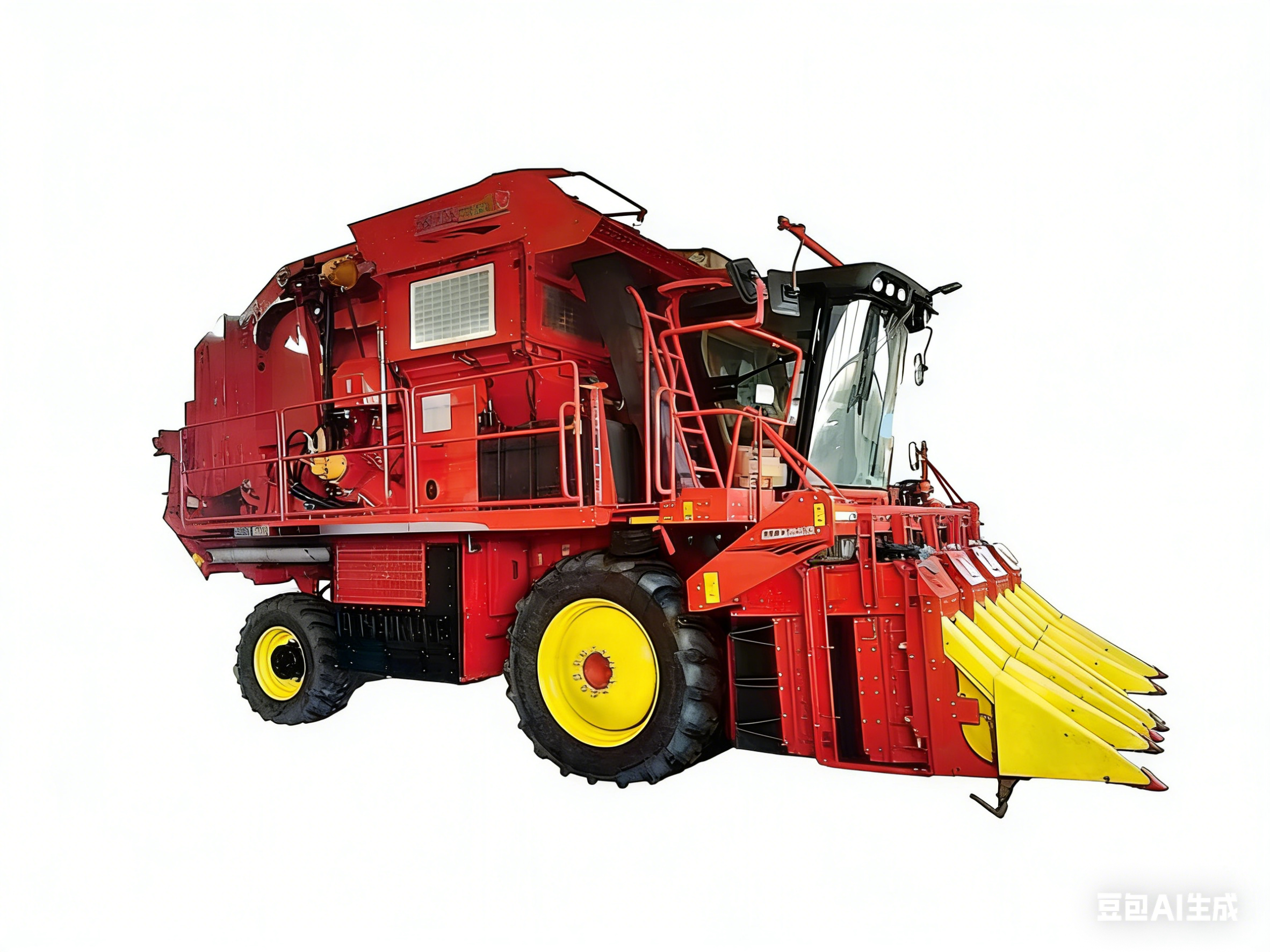
- High-Capacity Models: Such as Six-row self-propelled bale type cotton harvester and Four-row self-propelled bale type cotton harvester for large-scale plantations.
- Versatile Mid-Range Models: Including Four-row self-propelled basket type cotton harvester and Three-row self-propelled variants (both bale and basket types).
- Specialized & Allied Equipment: Look for expertise in related machinery like Grain combine harvester, corn wheat soybean combine harvester, and Sorting and harvesting tomato harvester, which often signals broader engineering proficiency.
- Cost-Effective Solutions: Options like Tractor mounted cotton harvester or Double row cotton harvester for smaller farms or specific terrain.
For instance, Shandong Swan Cotton Industry Machinery Stock Co., Ltd. (Stock Code: 603029), a listed entity, demonstrates this through its comprehensive range from Self-propelled cotton harvester to Mechanical cotton harvester solutions, backed by over 190 national invention patents.
2. Manufacturing Scale & Quality Assurance
Global production and service footprints ensure better supply chain resilience and localized support. Verify:
- Production Bases: Multiple manufacturing locations, like Swan's facilities in Jinan, Xinjiang, Inner Mongolia, and Alabama, USA, reduce logistical risks.
- Quality Certifications: Mandatory certifications like the China Compulsory Product Certification (CCC) are fundamental. Reputable suppliers openly provide such documentation.
- Internal Processes: Inquire about quality inspection departments and standardized production workshops, which are indicators of consistent output.
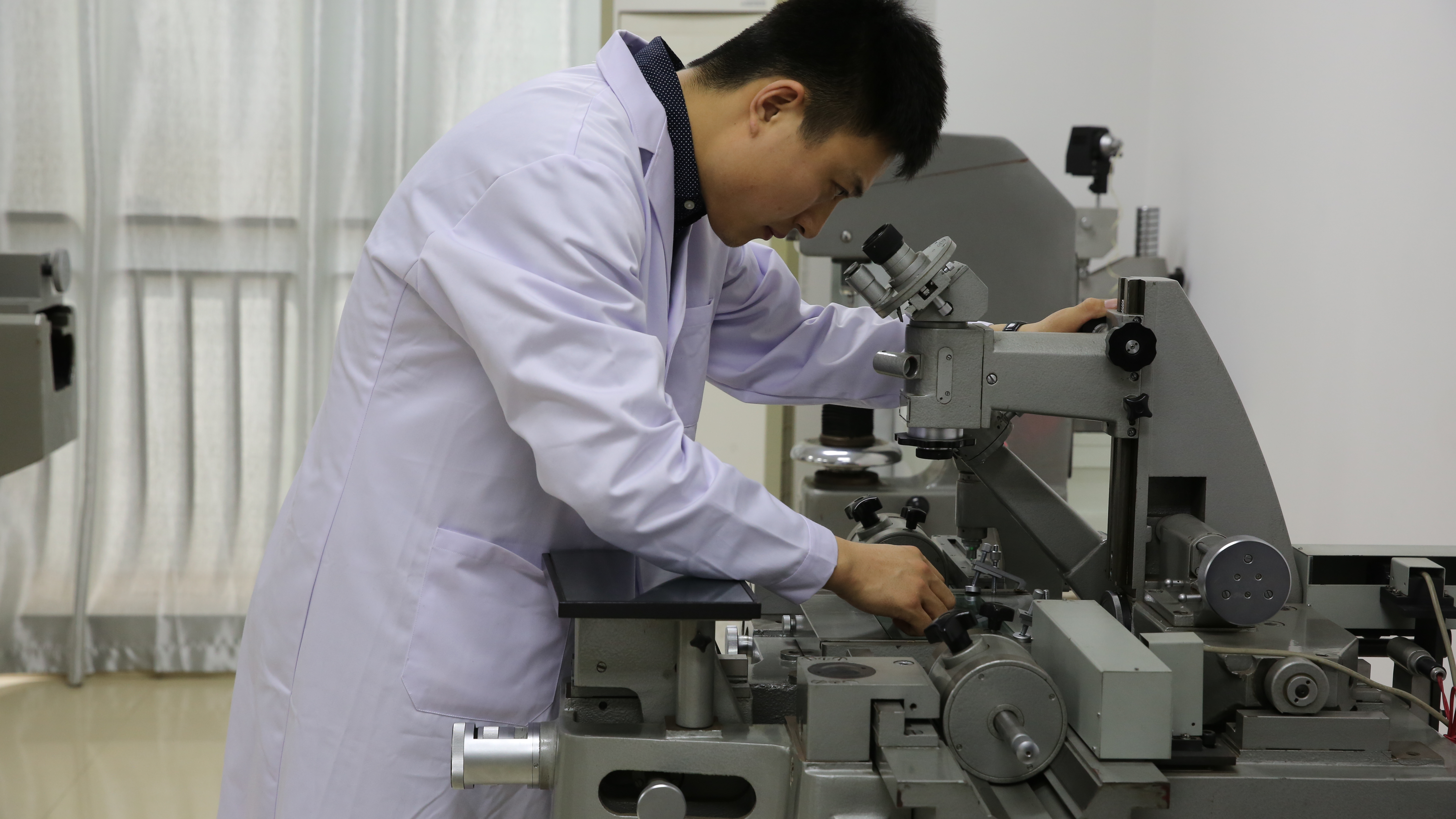
A dedicated Quality Inspection Department is crucial for ensuring machinery reliability.
3. After-Sales Support & Global Network
The value of a machine is heavily dependent on the support behind it. Prioritize suppliers with:
- Established Global Service Centers: A network covering major agricultural regions ensures prompt technical assistance and spare parts availability.
- Comprehensive Training: Look for suppliers that offer operator and maintenance training programs.
- Digital Support Channels: Active presence on professional platforms like LinkedIn and YouTube for tutorials and updates indicates modern customer engagement.
4. Financial Stability & Industry Standing
For high-value equipment, the supplier's long-term viability is paramount. Consider:
- Public Listing: A company listed on a major exchange, such as the Shanghai Stock Exchange, adheres to strict financial disclosure and governance standards.
- Industry Recognition: Awards, participation in setting national/industry standards, and titles like "National Key Little Giant Enterprise" signal peer and governmental recognition of technological leadership.
- Project History: Experience in supplying equipment for national key R&D projects demonstrates capability in meeting high-stakes, technical demands.
A Step-by-Step Supplier Shortlisting Process
- Define Requirements: Precisely determine your needed model (e.g., Commercial cotton harvester vs. Small cotton harvester), harvesting capacity, and key features.
- Initial Market Scan: Identify 5-7 potential manufacturers through industry directories, trade shows, and online research using keywords like Low cost cotton harvester or Maize corn harvester to find diversified players.
- Deep-Dive Evaluation: For each shortlisted company, review their official website (e.g., https://www.swancottonmachinery.com), certification documents, product catalogs, and case studies.
- Direct Engagement: Contact sales or technical teams with specific queries. Reputable companies like Swan provide direct contacts (e.g., Phone/WhatsApp: +8613791009388, Email: pat_666@163.com) for detailed consultations.
- Reference Check & Site Visit: Request customer references and, if feasible, visit manufacturing plants or existing customer sites to observe equipment in operation.

Making an Informed Decision
Investing in a cotton harvester is a strategic decision. By systematically evaluating suppliers against technical prowess, manufacturing integrity, support capability, and financial health, procurement professionals can mitigate risk and secure a partnership that delivers value beyond the initial purchase. The trend towards integrated, intelligent agricultural solutions means choosing a partner with a forward-looking R&D agenda, such as those involved in "the whole-process mechanization, intellectualization and informatization of the cotton industry," is increasingly important for future-proofing your operations.
For further technical specifications or to discuss your specific cotton harvester needs, reaching out to established manufacturers with a proven track record is a recommended first step.
Have Questions or Need More Details?
Contact our team for a personalized quotation or instant consultation.
Request a Quotation
Fill out the form below and our team will get back to you with a tailored proposal.
WhatsApp Direct Chat
Prefer to chat in real-time? Message us on WhatsApp for instant assistance & quick answers.
- Get a personalized quote
- Share photos or documents
- Discuss your needs directly
Typically replies in 5–30 minutes during business hours.