Technical Buyer's Guide: How to Evaluate and Select the Right Three-Row Self-Propelled Basket Type Cotton Picker for Your Operation
For procurement managers and farm owners, selecting the right cotton harvesting machinery is a critical capital investment decision. The three-row self-propelled basket type cotton picker represents a versatile and efficient middle-ground solution, ideal for medium to large farms seeking a balance between high throughput and operational flexibility. This technical guide provides a structured framework for evaluating these machines, focusing on core performance metrics, quality assurance, and supplier capabilities. We will also examine how leading manufacturers like Shandong Swan Cotton Industry Machinery Stock Co., Ltd. (Swan Company) meet these stringent criteria.
1. Core Performance Metrics for Three-Row Basket Type Pickers
Beyond basic row configuration, a professional evaluation must center on quantifiable performance indicators that directly impact total cost of ownership and harvest quality.
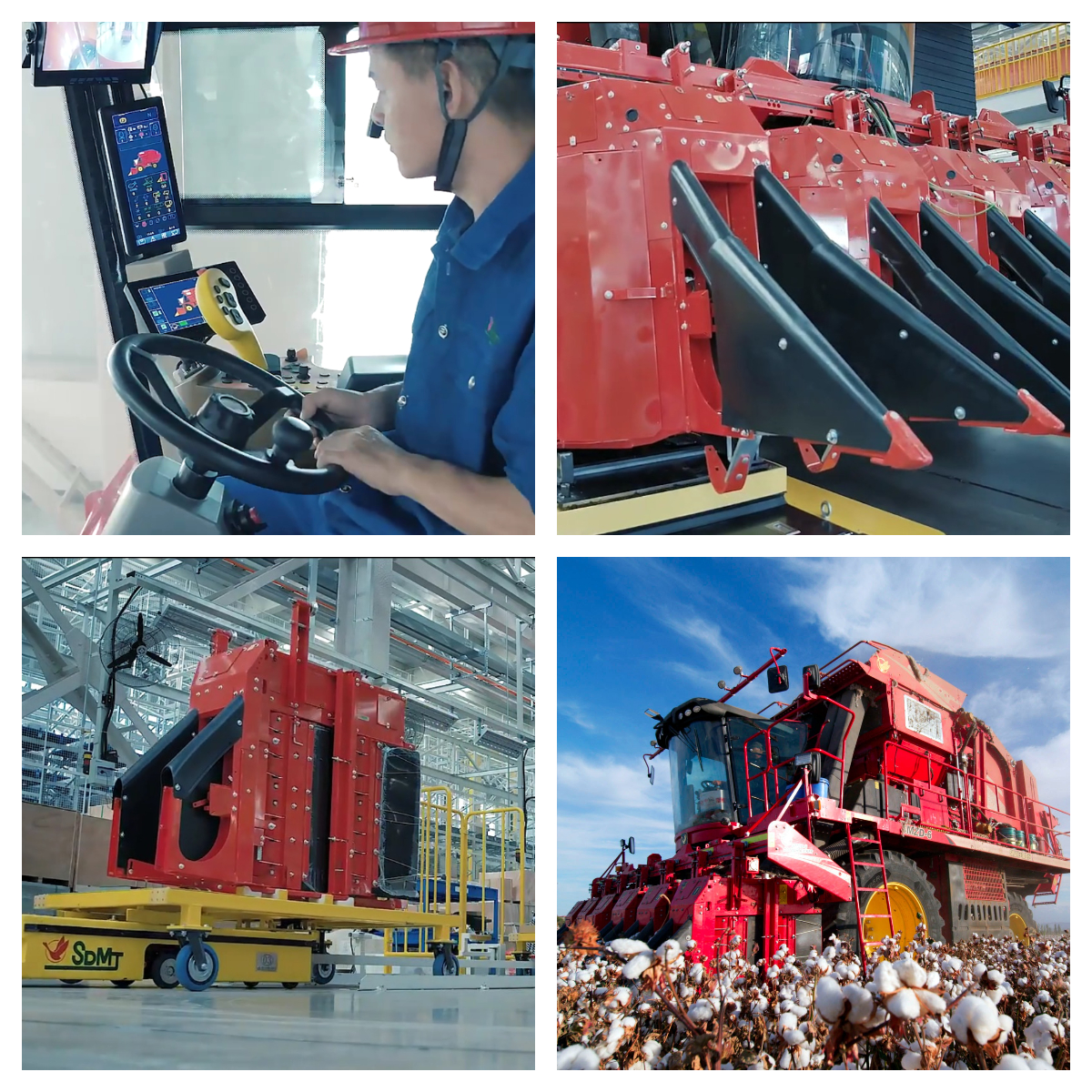
- Harvesting Efficiency & Cleanliness: The primary metric is the field efficiency rate, typically measured in acres/hectares per hour. For a modern three-row picker, expect a range of 2.5 to 4 acres per hour (1.0-1.6 ha/h) under average conditions. Equally important is the cleanliness of harvested cotton, often expressed as a percentage of trash content. High-quality machines should achieve a trash content below 8-10% in normal conditions. The design of the spindles, doffers, and moisture system is critical here.
- Engine Power & Fuel Efficiency: A robust engine is non-negotiable. Look for a minimum of 250-300 horsepower to ensure consistent power for the picking heads, hydraulic systems, and propulsion, especially in variable terrain. Compare fuel consumption rates (liters/gallons per acre) across models; efficient engines reduce long-term operational costs.
- Basket Capacity & Unloading System: The basket's volumetric capacity (in cubic meters or cubic feet) determines unloading frequency. A standard 3-row basket type picker typically holds 18-25 cubic meters. Evaluate the unloading speed and mechanism—a fast, reliable hydraulic dump system that can unload on-the-go into a module builder or trailer minimizes downtime.
- Durability & Component Quality: Inspect the construction of key components. Spindle bars should be made from high-grade, hardened steel for longevity. Hydraulic lines should be routed neatly with abrasion protection. The quality of bearings, gears, and the structural frame directly correlates with maintenance intervals and machine lifespan, which should exceed 8,000 engine hours with proper care.
- Operator Interface & Technology: Modern pickers feature advanced monitors. Look for intuitive displays that provide real-time data on yield, ground speed, engine vitals, and basket fill level. Integration capabilities for precision agriculture (GPS, yield mapping) are increasingly a standard expectation for data-driven farms.
2. Quality Assurance: The Role of Certifications and Testing
Certifications are not just paperwork; they are independent verifications of safety, design integrity, and manufacturing consistency.
- CE Marking: For the European market, the CE mark is mandatory. It indicates the machine complies with EU health, safety, and environmental protection legislation. For a complex machine like a cotton picker, this involves rigorous assessment of safety guards, noise emissions, and electrical systems.
- ISO 9001 Quality Management Systems: While not a product certificate, a manufacturer's ISO 9001 certification is a strong indicator of a systematic, process-driven approach to quality control throughout design, production, and after-sales service. It ensures repeatability and continuous improvement.
- Nationally Recognized Testing: In key markets like China, look for certifications from official bodies. For instance, Swan Company's products undergo stringent testing as part of their commitment to quality. Their adherence to high standards is reflected in their comprehensive quality management.
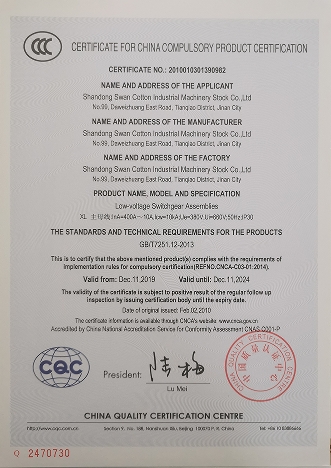
Certifications provide independent verification of safety and quality standards.
3. Hallmarks of a High-Quality Manufacturer
Distinguishing a true industrial equipment manufacturer from an assembler is crucial. Look for these three definitive characteristics:
- Vertical Integration & Standardized Production: Top-tier manufacturers control core processes. This includes in-house fabrication of critical components like frames, gearboxes, and picking heads. Standardized, digitally managed assembly lines, as seen in Swan Company's facilities in Jinan, Xinjiang, and abroad, ensure every unit meets the same blueprint. Visit their website to view their global production footprint.
- Transparent Technical Documentation & Test Reports: Reputable suppliers provide detailed technical specification sheets and, upon request, can share third-party test reports for key performance claims (e.g., fuel efficiency, picking rate). They have nothing to hide.
- Comprehensive Warranty & Global Support Network: A confident manufacturer offers a strong warranty (e.g., 2 years or 2,000 hours on major components). More importantly, they back it with a responsive, parts-supported service network. The ability to provide timely technical support and spare parts in major cotton-growing regions is a key differentiator.
4. Case Study: Swan Company's Quality Management in Action
As a publicly-listed leader (Stock Code: 603029) with over 70 years of heritage, Shandong Swan Cotton Industry Machinery Stock Co., Ltd. exemplifies the integration of advanced manufacturing with rigorous quality control to serve the high-end market.
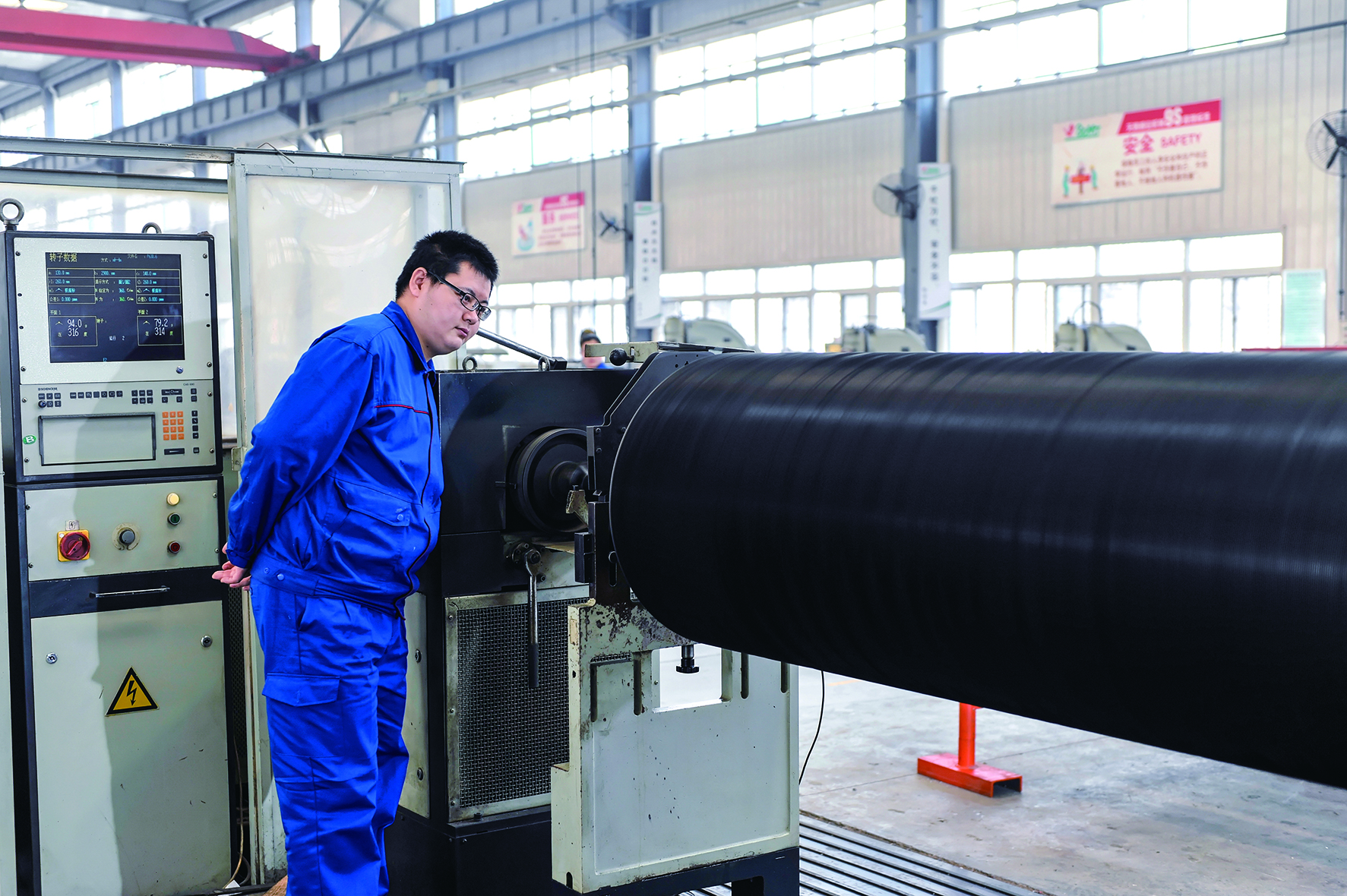
- Full-Process Quality Inspection: Swan implements quality checks at every stage: incoming material inspection, in-process checks during machining and welding, pre-assembly testing of sub-systems (like hydraulic circuits), and a final, comprehensive run-in test for every finished cotton picker. This end-to-end scrutiny minimizes defect escape.
- Data-Driven Manufacturing: Leveraging its status as a "National Key Little Giant Enterprise," Swan utilizes data from its R&D centers and field trials to continuously refine designs. Holding over 190 national invention patents, their three-row basket type pickers benefit from innovations in spindle technology and basket weight distribution for optimal stability.
- Customer-Centric After-Sales Protocol: Swan's value proposition extends beyond the sale. They offer a robust 2-year warranty and have established technical service centers in key global cotton belts, including the United States. Their support includes operator training, preventive maintenance guidance, and a commitment to providing critical spare parts to minimize harvest downtime. For direct inquiries, contact their team via Phone/WhatsApp: Pat at +86 13791009388 or Eric at +86 15169092038.
Their global presence, with branches in Xinjiang, Inner Mongolia, and Montgomery, USA, ensures they understand diverse agronomic conditions, allowing them to tailor their three-row self-propelled basket type cotton pickers for maximum performance whether in China, Central Asia, or the American South.
Procurement Decision Checklist
Before finalizing your purchase of a three-row self-propelled basket type cotton picker, verify:
- Performance data matches your field size and cotton variety.
- Manufacturer holds relevant certifications (CE, ISO 9001).
- Warranty terms are clear and comprehensive.
- Supplier has a proven track record and local support capability.
- Total cost of ownership (price, fuel, maintenance) is calculated.
By applying this technical framework, procurement professionals can move beyond price comparisons and make informed investments in machinery that delivers reliability, efficiency, and a strong return over its operational life. For more detailed specifications on Swan Company's range of high-efficiency cotton pickers, including the three-row basket type model, visit their official site at www.swancottonmachinery.com.
Have Questions or Need More Details?
Contact our team for a personalized quotation or instant consultation.
Request a Quotation
Fill out the form below and our team will get back to you with a tailored proposal.
WhatsApp Direct Chat
Prefer to chat in real-time? Message us on WhatsApp for instant assistance & quick answers.
- Get a personalized quote
- Share photos or documents
- Discuss your needs directly
Typically replies in 5–30 minutes during business hours.