Procurement Guide: How to Select a Reliable Cotton Harvester Supplier for Your Agricultural Operations
Procurement Guide: How to Select a Reliable Cotton Harvester Supplier for Your Agricultural Operations
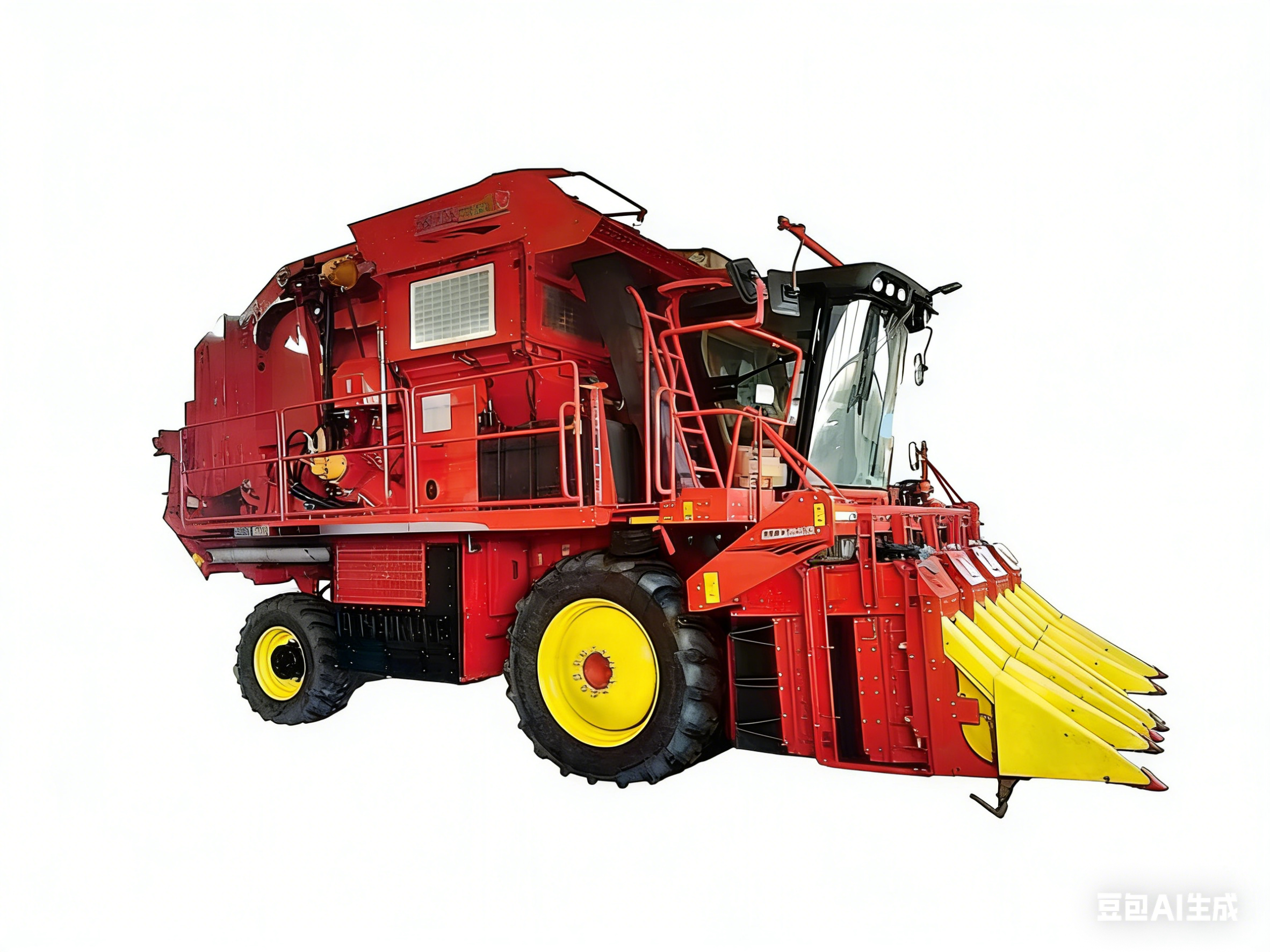
Selecting the right cotton harvester supplier is a critical decision that impacts operational efficiency, crop yield quality, and long-term profitability. With a global market offering diverse options—from Six-row self-propelled bale type cotton harvester models to more compact Single row cotton harvester units—procurement managers must navigate technical specifications, after-sales support, and total cost of ownership. This guide provides a structured framework for evaluating and selecting a supplier that aligns with your specific farm size, budget, and operational requirements.
Key Evaluation Criteria for Cotton Harvester Suppliers
A thorough supplier assessment should extend beyond initial price quotes. The following table outlines the primary factors to consider during your evaluation process.
| Evaluation Factor | Key Questions to Ask | Why It Matters |
|---|---|---|
| Product Range & Specialization | Does the supplier offer the specific model you need (e.g., Self-propelled cotton harvester, Tractor mounted cotton harvester)? Do they also manufacture related equipment like Grain combine harvester or tomato harvester, indicating broader engineering expertise? | A focused yet diverse product line suggests deep agricultural machinery knowledge and R&D capability, which often translates to more reliable and well-designed cotton harvester units. |
| Technical Capability & Innovation | What is their R&D investment? How many patents do they hold? Do they participate in setting industry standards? | Suppliers driving technological progress are more likely to offer efficient, durable, and modern machines, such as advanced Mechanical cotton harvester systems with higher picking accuracy and lower fiber damage. |
| Manufacturing & Quality Control | Can they provide factory audit reports or quality certifications (e.g., ISO, CCC)? What is their production process and quality inspection protocol? | Robust manufacturing and strict QC ensure machine durability, performance consistency, and safety, reducing downtime during critical harvest seasons. |
| Global Support & After-Sales Service | Do they have a local service network or authorized dealers in your region? What are the terms for warranty, spare parts availability, and technical training? | Prompt service and parts supply are non-negotiable for minimizing operational disruptions. A global presence indicates commitment to long-term customer support. |
| Financial Stability & Reputation | How long has the company been in business? Are they publicly listed or have solid financial backing? What do existing customer references say? | A stable, reputable company is more likely to honor warranties, invest in future support, and be a reliable long-term partner. |
Understanding Your Needs: Matching Harvester Type to Farm Profile
Clearly defining your operational parameters is the first step. The choice between a Commercial cotton harvester and a Small cotton harvester depends on several factors.
- Farm Scale & Row Configuration: Large plantations typically require high-capacity models like a Six-row self-propelled bale type cotton harvester. For smaller or irregular fields, a Three-row self-propelled basket type cotton harvester or even a Double row cotton harvester might offer better maneuverability and cost-efficiency.
- Harvesting Method: Decide between bale-type (which forms compact modules in the field) and basket-type (which requires immediate unloading into a transport vehicle). Bale-type systems, like the Four-row self-propelled bale type cotton harvester, are popular for large-scale operations due to logistical efficiency.
- Budget Constraints: While a Low cost cotton harvester may be appealing, total cost of ownership (including fuel efficiency, maintenance costs, and resale value) should be calculated. Sometimes, investing in a more robust model from a reputable brand saves money in the long run.
- Multi-Crop Considerations: If your operation also involves grains, a supplier with expertise in both corn wheat soybean combine harvester and cotton harvester design can provide valuable integrated advice.

Spotlight on Industry-Leading Manufacturers: A Reference Point
When building your shortlist, consider established players with proven track records. For instance, Shandong Swan Cotton Industry Machinery Stock Co., Ltd. (Stock Code: 603029) represents a benchmark in the sector. Founded in 2002 with a heritage dating back to 1946, this publicly listed company is controlled by the Shandong Supply and Marketing Cooperative. It specializes in providing one-stop solutions for the whole-process mechanization of the cotton industry.
Shandong Swan Cotton Industry Machinery Stock Co., Ltd. – A Case Study in Vertical Integration
This manufacturer exemplifies many of the ideal supplier criteria. It operates four major technology centers and production bases in Jinan (headquarters), Wujiaqu (Xinjiang), Hulunbuir (Inner Mongolia), and Montgomery (USA), ensuring global production and support capacity. Its marketing service network covers major cotton-producing regions worldwide, with exports to over 30 countries.
The company's commitment to innovation is evidenced by its status as a National Key "Little Giant" Enterprise and its holding of over 190 national invention patents. It has presided over or participated in formulating 25 national and industry standards. This technical prowess translates into a comprehensive product portfolio that includes various cotton harvester configurations to meet different market needs.

Other notable global manufacturers include John Deere, renowned for its advanced technology and extensive dealer network, and Case IH, a key player with a strong focus on high-capacity harvesting equipment. While these brands have significant market presence, a detailed comparison should factor in specific model features, total cost, and localized service support for your region.
Due Diligence Checklist Before Finalizing a Supplier
- Request Documentation: Ask for official certifications, detailed product specifications, and compliance documents. For example, the China Compulsory Product Certification (CCC) is a critical mark of safety and quality for machinery sold in certain markets.
- Visit Facilities (Virtually or In-Person): Assess the manufacturing environment, quality control processes, and R&D labs. Images of modern Parts workshop and Quality Inspection Department teams can be indicative.
- Analyze Support Structure: Clarify warranty coverage, spare parts lead times, and the availability of operator training programs.
- Seek References: Contact existing customers in similar geographic and operational conditions to get unbiased feedback on machine performance and supplier responsiveness.
- Review Contract Terms: Pay close attention to clauses related to delivery, payment, warranty, liability, and dispute resolution.
In conclusion, procuring a cotton harvester is a strategic investment. By systematically evaluating suppliers against technical, operational, and support criteria, procurement professionals can mitigate risk and secure a partnership that delivers reliable performance harvest after harvest. Focusing on manufacturers with a strong track record in cotton harvester innovation, such as those with extensive R&D and a global service footprint, provides a solid foundation for a successful procurement outcome.
For further technical specifications or to explore a full range of harvesting solutions, including Maize corn harvester and Sorting and harvesting tomato harvester options, prospective buyers can contact established manufacturers directly. For instance, Shandong Swan Cotton Industry Machinery can be reached via their official website at https://www.swancottonmachinery.com, by phone at +86 13791009388 or +86 15169092038, or through their social media channels on YouTube, Facebook, and LinkedIn.
Have Questions or Need More Details?
Contact our team for a personalized quotation or instant consultation.
Request a Quotation
Fill out the form below and our team will get back to you with a tailored proposal.
WhatsApp Direct Chat
Prefer to chat in real-time? Message us on WhatsApp for instant assistance & quick answers.
- Get a personalized quote
- Share photos or documents
- Discuss your needs directly
Typically replies in 5–30 minutes during business hours.