Procurement Guide: How to Select a High-Quality Cotton Ginning Equipment Supplier
For procurement professionals in the textile and agricultural sectors, selecting the right cotton ginning equipment supplier is a critical decision that impacts operational efficiency, fiber quality, and long-term profitability. The global market offers a wide range of options, from saw gin cotton ginning machines to fully integrated automatic cotton ginning systems. This guide provides a structured framework to evaluate and identify a reliable partner that aligns with your specific production needs, whether you are establishing a new cotton ginning plant or upgrading an existing cotton ginning line.
1. Define Your Technical and Operational Requirements
Begin by clearly outlining your project's scope. Key considerations include:
- Scale & Capacity: Determine if you need a high capacity cotton ginning machine for large-scale commercial production or a cotton ginning machine for small scale plant.
- Automation Level: Decide between a semi automatic cotton ginning machine for partial labor involvement or a fully automatic cotton ginning system for maximum efficiency and consistency.
- Ginning Technology: Understand the difference between saw gin and roller gin cotton ginning machines. Saw gins are typically faster and more common for upland cotton, while roller gins, including double roller cotton gin models, are preferred for longer-staple varieties like Pima or Egyptian cotton, as they preserve fiber length.
- Budget Framework: While seeking a low cost cotton ginning machine is valid, total cost of ownership (including maintenance, energy use, and part longevity) should be the primary financial metric.
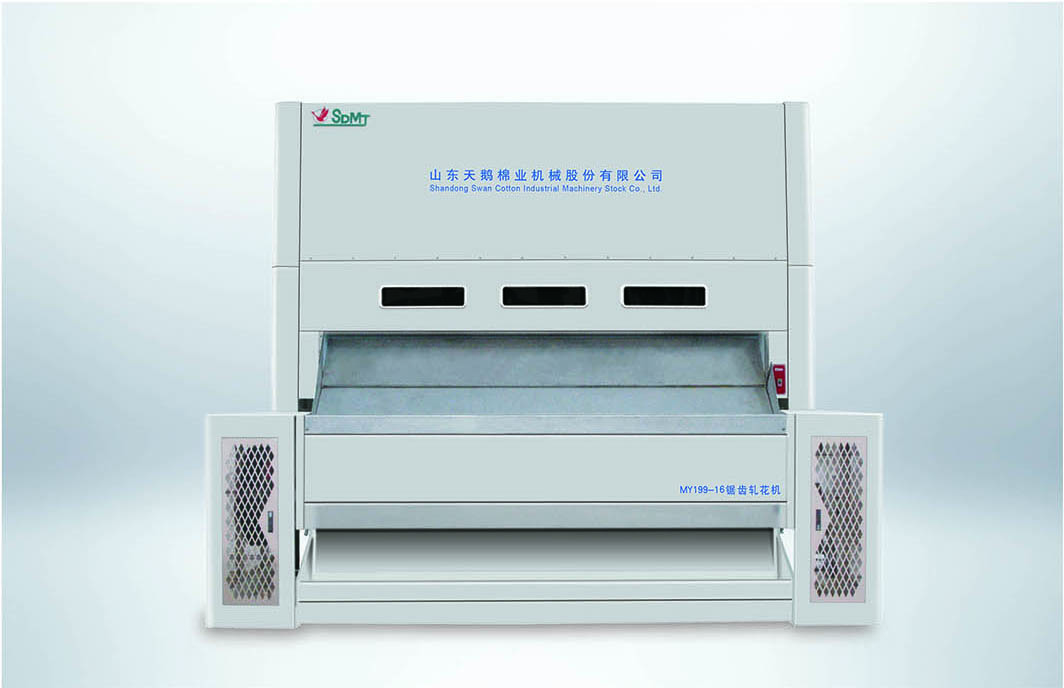
Modern high-capacity ginning machines, like this model, are central to efficient plant operations.
2. Evaluate Supplier Credentials and Industry Standing
A supplier's reputation and institutional backing are strong indicators of reliability. Scrutinize the following:
- Corporate History & Stability: Look for established companies with a proven track record. For instance, Shandong Swan Cotton Industry Machinery Stock Co., Ltd. (Swan company), traces its origins to 1946 and became a publicly listed company (SSE: 603029) in 2016, demonstrating financial transparency and stability.
- Manufacturing & Global Footprint: Assess the scale of operations. A global presence with multiple production and R&D bases, such as Swan's facilities in Jinan, Xinjiang, Inner Mongolia, and the USA, indicates robust manufacturing capability and localized support potential.
- Certifications and Standards: Insist on verifiable quality and safety certifications. Reputable suppliers hold accreditations like the China Compulsory Product Certification (CCC).
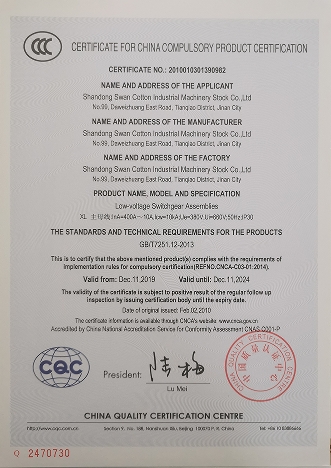
Mandatory product certifications are a baseline for equipment safety and quality compliance.
3. Assess Technological Capability and Innovation
The best suppliers invest heavily in R&D to drive industry progress. Key indicators include:
- Patent Portfolio: A significant number of invention patents (e.g., 190+ held by Swan) signals active innovation and proprietary technology.
- Standardization Role: Participation in formulating national and industry standards shows leadership and deep technical expertise.
- Product Range & Solutions: A supplier offering a complete cotton ginning solution—from seed cotton cleaners and lint cleaners to baling presses—provides system compatibility and single-point accountability. Evaluate their portfolio for specific machines like Inclined Type Seedcotton Cleaners or advanced MR-258 Saw Delinters.

A dedicated technical team is essential for continuous product development and problem-solving.
4. Analyze After-Sales Support and Service Network
Machinery requires ongoing maintenance. A supplier's service commitment is as important as the equipment itself.
- Global Service Coverage: Ensure the supplier has a network of technical service centers or partners in your region. Swan, for example, maintains a network covering major global cotton-producing areas.
- Technical Training & Documentation: Comprehensive manuals, on-site installation guidance, and operator training programs are crucial for smooth commissioning.
- Spare Parts Availability: Confirm the logistics and inventory system for critical spare parts to minimize downtime.
5. Conduct Due Diligence: Site Visits and Reference Checks
Whenever possible, validate claims through direct observation.
- Factory Audits: Visiting a supplier's manufacturing base, like Swan's Jinan headquarters, allows you to inspect production processes, quality control (QC) procedures, and workshop organization firsthand.
- Customer References: Request contact information for recent clients with similar project scales. Inquire about machine performance, fiber quality output, and the responsiveness of the service team.
- Testimonials & Case Studies: Review published project successes and client feedback on the supplier's official channels, such as their YouTube channel or LinkedIn page.
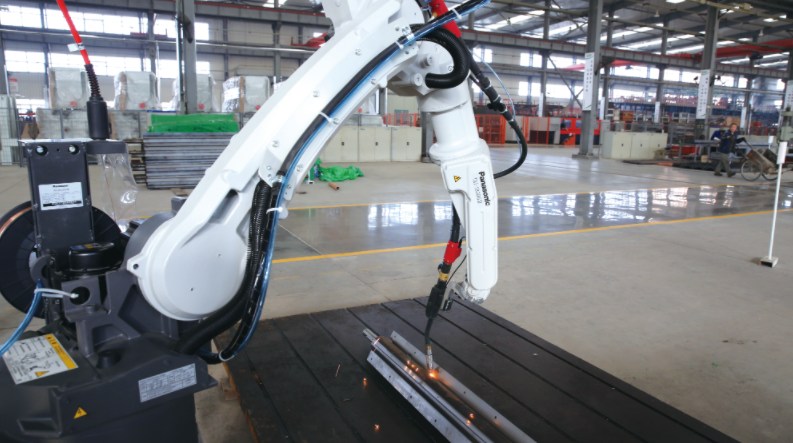
A clean, organized workshop with advanced machinery is a hallmark of a quality-focused manufacturer.
Conclusion: Partnering for Long-Term Success
Selecting a cotton ginning equipment supplier is a strategic partnership. By meticulously evaluating technical needs, supplier credentials, innovation capacity, and support structures, procurement teams can make an informed decision. Leading entities like Shandong Swan Cotton Industry Machinery Stock Co., Ltd. exemplify the integration of deep industry heritage, continuous innovation, and a global service mindset. Their mission to "provide customers with the most valuable systematic solutions" underscores the shift from mere equipment sales to holistic partnership.
For further information on cotton ginning machines and tailored solutions, prospective buyers can explore resources at www.swancottonmachinery.com or contact their international team via WhatsApp at +8613791009388 or +8615169092038.
Have Questions or Need More Details?
Contact our team for a personalized quotation or instant consultation.
Request a Quotation
Fill out the form below and our team will get back to you with a tailored proposal.
WhatsApp Direct Chat
Prefer to chat in real-time? Message us on WhatsApp for instant assistance & quick answers.
- Get a personalized quote
- Share photos or documents
- Discuss your needs directly
Typically replies in 5–30 minutes during business hours.