How to Choose the Right Self-Propelled Cotton Harvester for Your Farm: A Comprehensive Guide
Finding Your Perfect Match: A Guide to Self-Propelled Cotton Harvesters
Selecting the right cotton harvester is one of the most critical decisions a modern cotton farmer faces. With the global push for higher efficiency and reduced labor costs, the choice between different types of self-propelled cotton harvesters—bale type versus basket type, and varying row configurations—can significantly impact your bottom line and operational workflow. This guide will walk you through the key considerations, helping you match the machine to your farm's specific needs, from a small cotton harvester for family-run operations to a high-capacity six-row self-propelled bale type cotton harvester for large-scale production.
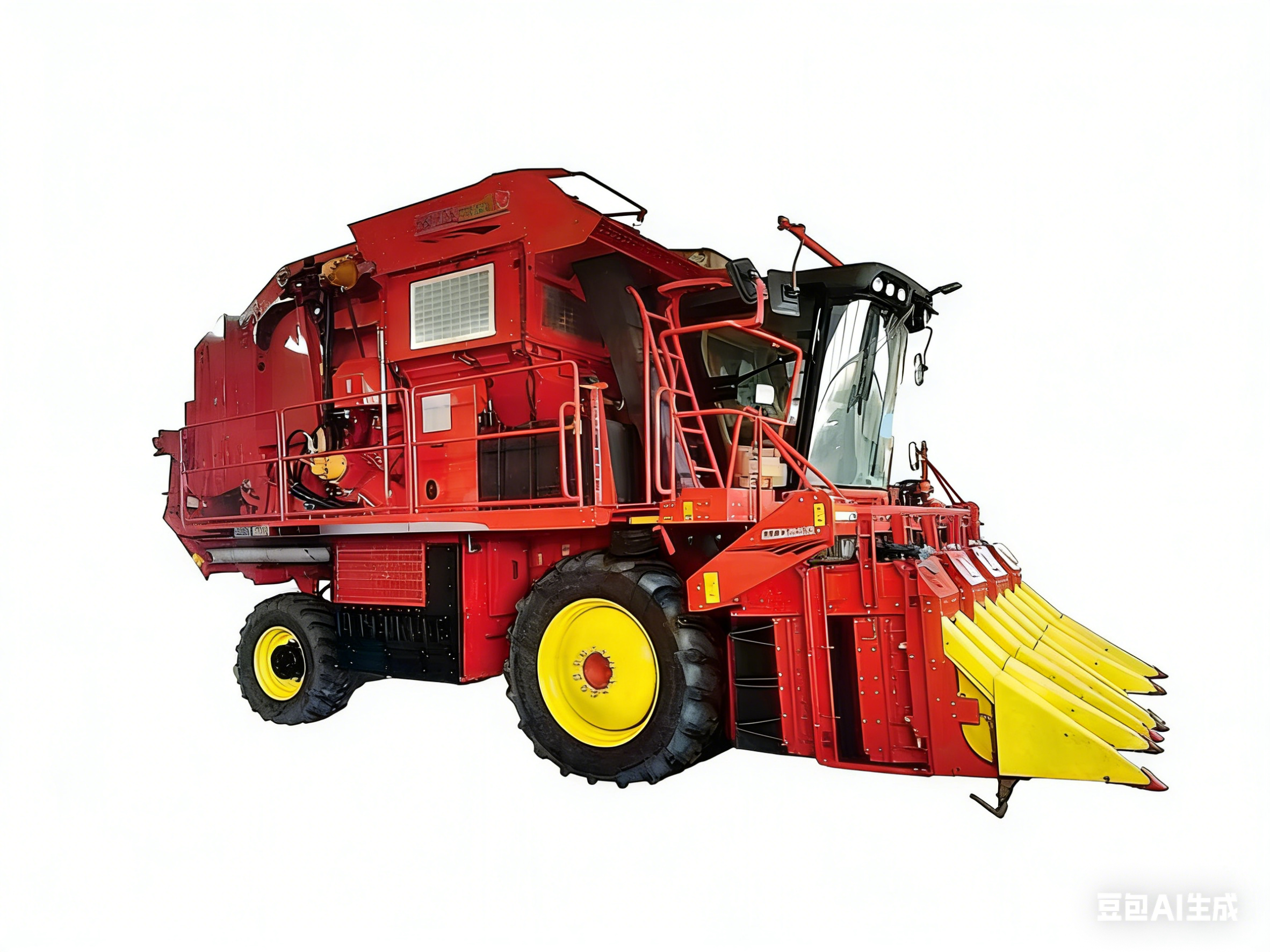
A modern Four-row self-propelled cotton harvester in operation. Choosing the correct row configuration is essential for field efficiency.
Step 1: Assess Your Farm's Scale and Field Conditions
The first step is a honest evaluation of your operation. The size and layout of your fields are the primary determinants.
- Large-Scale, Contiguous Fields: For farms with thousands of acres of uninterrupted cotton, high-capacity machines like a Six-row self-propelled bale type cotton harvester or a Four-row self-propelled bale type cotton harvester maximize throughput. These commercial cotton harvesters are built for speed and volume, minimizing the number of stops for unloading.
- Medium-Scale or Irregular Fields: Farms with medium-sized or irregularly shaped plots may find the versatility of a Four-row self-propelled basket type cotton harvester or a Three-row self-propelled basket type cotton harvester more suitable. The basket allows for continuous picking over a larger area before needing to unload, offering flexibility.
- Small-Scale or Diverse Cropping: For smaller farms or those practicing crop rotation, a double row cotton harvester or a versatile tractor mounted cotton harvester might be the most cost-effective entry into mechanical cotton harvesting. Companies like Swan company offer solutions across this spectrum, ensuring there's a low cost cotton harvester option that doesn't sacrifice core reliability.
Step 2: Bale Type vs. Basket Type – Understanding the Core Difference
This is the central operational choice. Both self-propelled cotton harvesters from leading manufacturers like Shandong Swan Cotton Industry Machinery Stock Co., Ltd. come in these two main styles.
The Bale Type (Module Builder) Harvester
Machines like the Six-row self-propelled bale type cotton harvester compress harvested cotton into large, dense modules (or bales) right inside the machine. These modules are then dropped in the field for later transport to the gin.
Best for: Large-scale operations with dedicated module trucks and ginning schedules. It reduces handling and requires fewer supporting vehicles in the field during harvest.
The Basket Type Harvester
Examples include the Four-row self-propelled basket type cotton harvester. It collects cotton in a large onboard basket. When full, it must stop to transfer the seed cotton to a moving boll buggy or module truck that travels alongside it.
Best for: Operations where field conditions vary or where the harvesting crew uses a chase vehicle system. It offers more flexibility in managing harvested cotton before it's formed into a module.
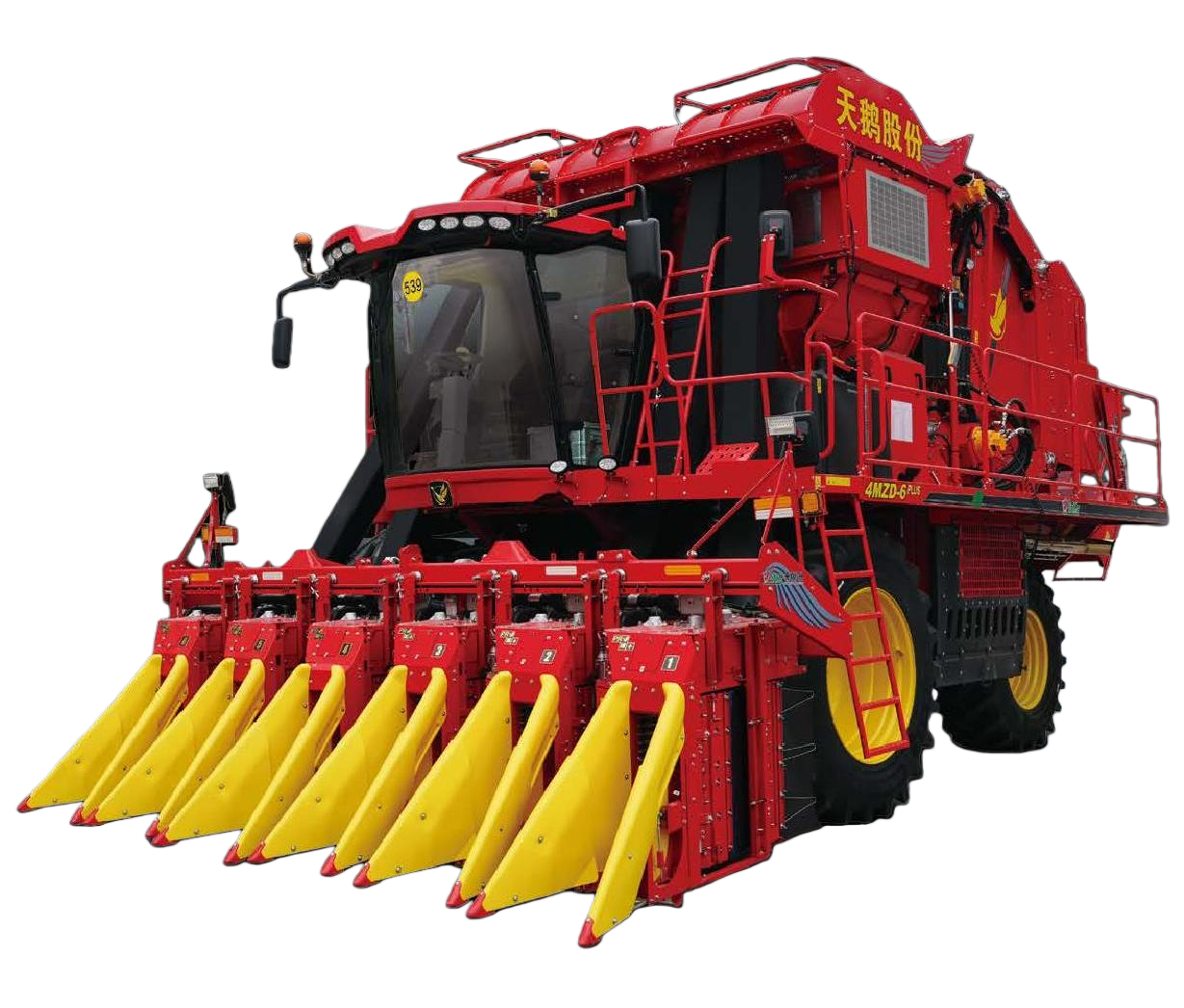
A Six-row self-propelled cotton harvester represents the pinnacle of high-capacity harvesting technology.
Step 3: Evaluate Key Performance and Financial Factors
Beyond type and size, delve into the specs that affect daily performance and long-term costs.
- Fuel Efficiency & Engine Power: A more powerful engine on a Four-row self-propelled bale type cotton harvester may handle tough conditions better but consume more fuel. Balance power needs with operational costs.
- Technology Integration: Modern harvesters from innovators like Swan company feature advanced monitoring systems, yield mapping, and automated adjustments. These technologies, also seen in advanced grain combine harvesters and corn wheat soybean combine harvesters, optimize pick efficiency and reduce loss.
- Service and Support Network: This is non-negotiable. A company's global footprint matters. Shandong Swan Cotton Industry Machinery Stock Co., Ltd., with production bases in Jinan, Xinjiang, Inner Mongolia, and the USA (Montgomery), and a service network covering over 30 countries, ensures support is never far away. Their status as a listed company (Stock Code: 603029) underscores financial stability and commitment to R&D.
- Total Cost of Ownership: Look beyond the sticker price. Consider maintenance costs, part availability (check their parts workshop), and resale value. A low cost cotton harvester with high downtime costs is no bargain.
Step 4: Consider the Manufacturer's Pedigree and Innovation
Your harvester is a long-term investment. Partner with a manufacturer that has a proven track record and a clear vision for the future.
Swan company exemplifies this. With origins dating back to 1946 and listed on the Shanghai Stock Exchange Main Board, they are a leader in cotton industry mechanization. Their commitment is evidenced by over 190 national invention patents and leadership in formulating 25 national and industry standards. They are not just selling a mechanical cotton harvester; they provide "systematic solutions" for the entire cotton industry chain.
Their product range diversification into tomato harvesters, including specialized sorting and harvesting tomato harvesters, and various combine harvesters like the grain combine harvester and maize corn harvester, demonstrates engineering expertise transferable across agricultural machinery platforms.
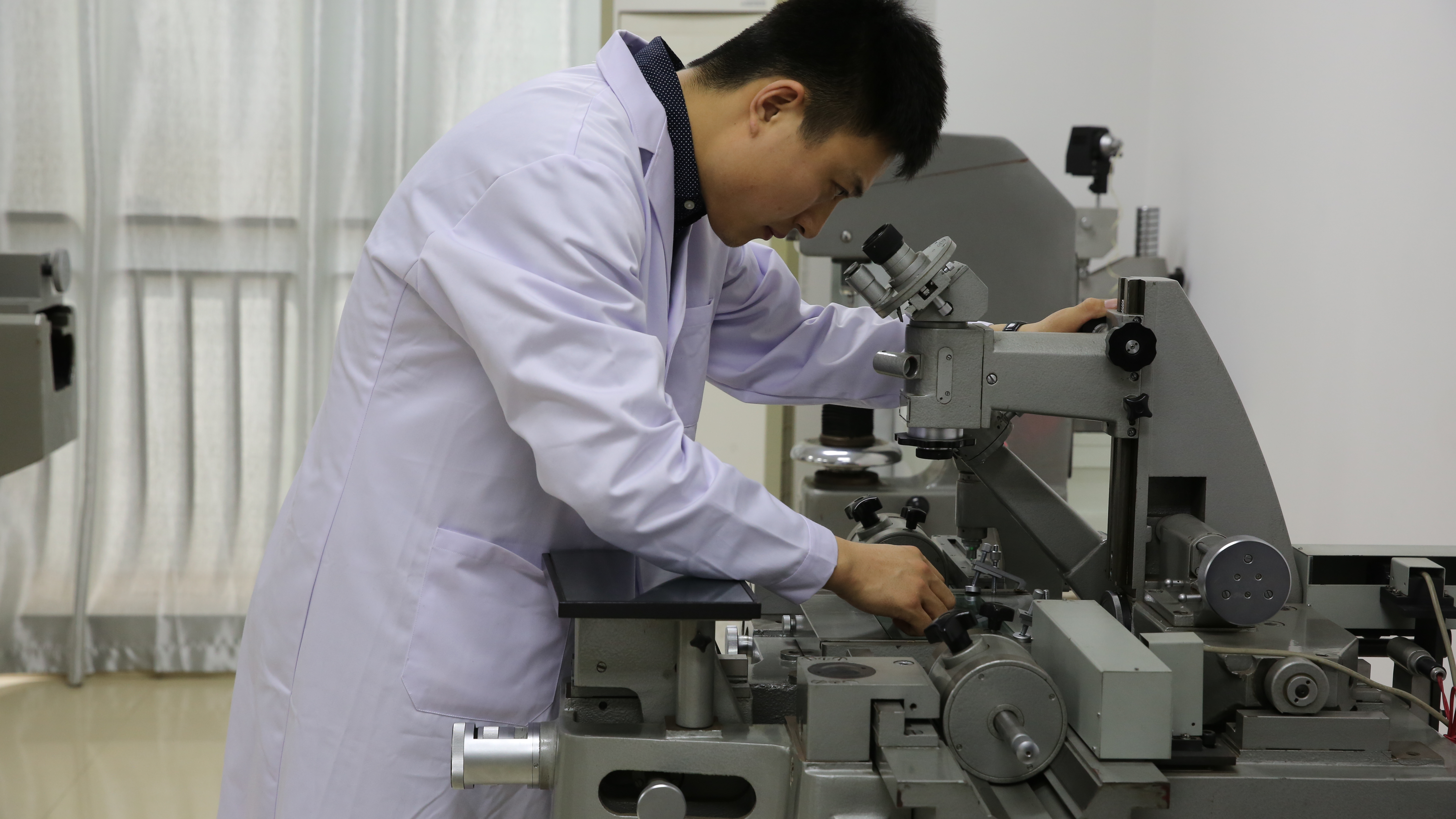
Rigorous quality inspection is a hallmark of reliable manufacturers like Swan company.
Step 5: Make an Informed Decision and Plan Your Purchase
Armed with this knowledge, you can narrow your choices. Contact manufacturers directly to discuss your specific needs. For instance, you can reach Swan company via Phone/WhatsApp: Pat at +8613791009388 or Eric at +8615169092038, or email them. Visit their website at https://www.swancottonmachinery.com to explore their full lineup of cotton harvesters, from single row cotton harvesters to the largest self-propelled models.
Request detailed specifications, ask for customer references in similar farming regions, and, if possible, arrange a demo. Inquire about their CERTIFICATE FOR CHINA CCMPULSORY PRODUCT CERTIFICATION and other quality assurances.
Final Checklist Before You Buy:
- ✅ Field size and shape analysis complete.
- ✅ Bale type vs. Basket type decision made based on logistics.
- ✅ Row configuration (6-row, 4-row, 3-row, double row) selected for optimal efficiency.
- ✅ Total cost of ownership projection reviewed.
- ✅ Manufacturer's service network verified for your location.
- ✅ Manufacturer's reputation for innovation and support confirmed (e.g., Swan company's 70+ year history and global presence).
Choosing the right cotton harvester is a strategic move that pays dividends for seasons to come. By following this structured approach, you invest not just in a machine, but in the future productivity and sustainability of your farm.
About Shandong Swan Cotton Industry Machinery Stock Co., Ltd.: A publicly-traded leader (SSE: 603029) in cotton processing and harvesting machinery, Swan is dedicated to providing complete mechanization solutions for the global cotton industry. With a history spanning over seven decades, four major production bases worldwide, and an unwavering focus on R&D, Swan builds the century-old international brand trusted by farmers across more than 30 countries. Connect with them on YouTube, Facebook, and LinkedIn.
Have Questions or Need More Details?
Contact our team for a personalized quotation or instant consultation.
Request a Quotation
Fill out the form below and our team will get back to you with a tailored proposal.
WhatsApp Direct Chat
Prefer to chat in real-time? Message us on WhatsApp for instant assistance & quick answers.
- Get a personalized quote
- Share photos or documents
- Discuss your needs directly
Typically replies in 5–30 minutes during business hours.