How to Choose the Right Cotton Picker for Your Farm: A Comprehensive Guide from Swan Company
How to Choose the Right Cotton Picker for Your Farm: A Comprehensive Guide
Selecting the perfect cotton picker is one of the most critical decisions a cotton farmer makes. With the global push for agricultural efficiency and the rising costs of labor, mechanized harvesting is no longer a luxury but a necessity. The market offers a bewildering array of options, from mini cotton picker machines for family plots to massive six-row self-propelled bale type cotton picker units for vast plantations. This guide, backed by the 70+ years of expertise of Shandong Swan Cotton Industry Machinery Stock Co., Ltd. (Swan Company), will walk you through the key factors to consider, ensuring you invest in a machine that maximizes your yield and return on investment.
Step 1: Assess Your Farm's Scale and Topography
The size and layout of your farm are the primary determinants. A mismatch here can lead to inefficiency and unnecessary capital expenditure.
- Small to Medium Farms (<100 acres): For cotton picker for small farms, compact and maneuverable models are ideal. Consider a tractor mounted cotton picker, a three-row self-propelled basket type cotton picker, or even a specialized mini cotton picker machine. These offer excellent value and can navigate smaller fields and tighter turns. Swan Company's range includes versatile models perfect for this segment.
- Large-Scale Commercial Farms (>500 acres): Here, speed and capacity are king. You'll need a high efficiency cotton picker like a four-row or six-row self-propelled bale type cotton picker. These machines cover vast areas quickly, with the bale-type system allowing for non-stop harvesting and on-the-go module building, drastically reducing downtime.
- Variable or Hilly Terrain: Look for machines with good ground clearance, stable chassis design, and potentially, a basket type system which often has a lower center of gravity compared to a full bale builder on slopes.
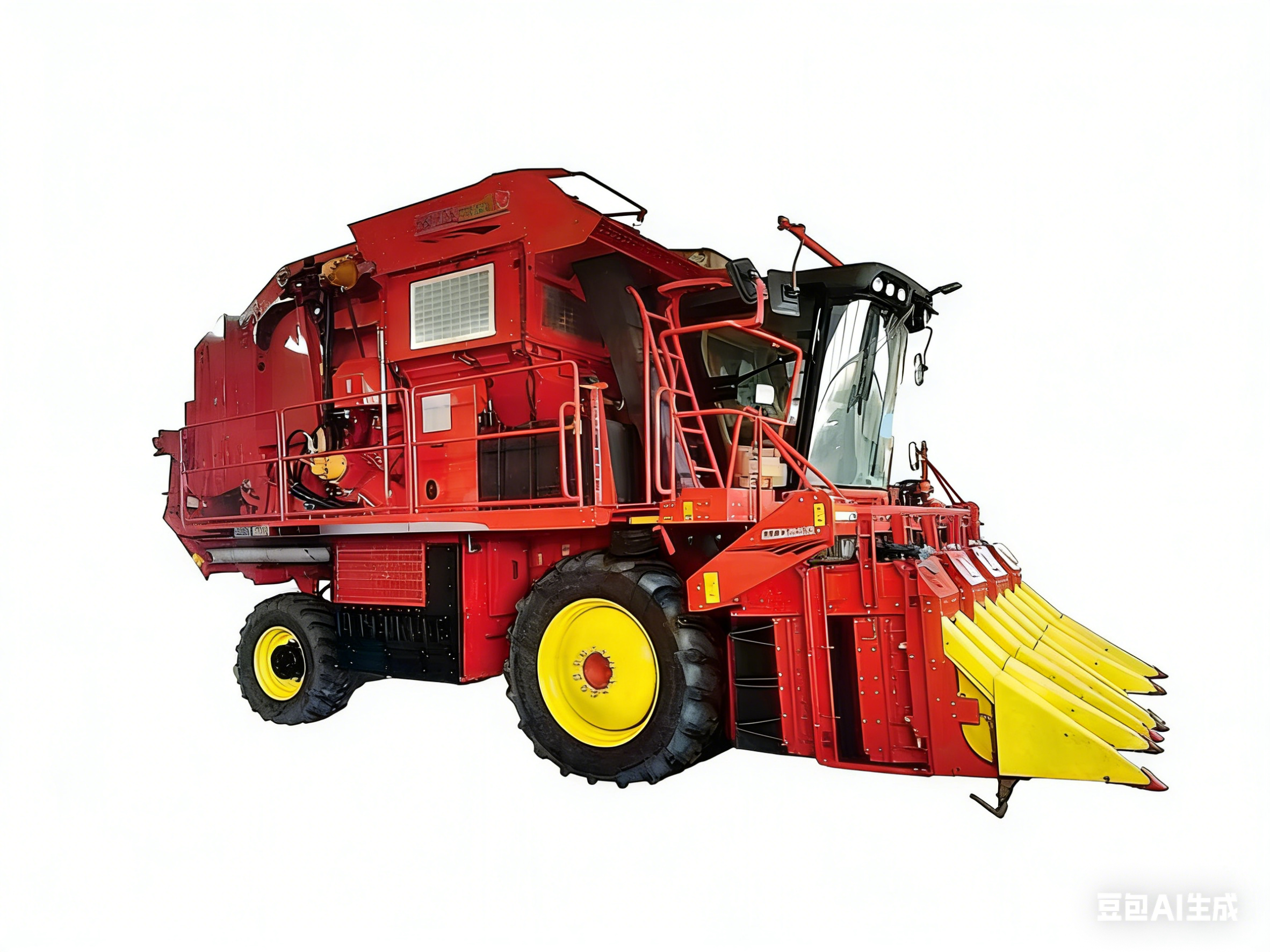
A Swan Company Four-row Cotton Picker operating efficiently in a large field, demonstrating scale-appropriate machinery.
Step 2: Understand the Harvesting System: Basket vs. Bale Type
This is a fundamental choice impacting your harvest logistics and labor requirements.
Basket Type Cotton Pickers
Examples: Four-row self-propelled basket type cotton picker, Three-row self-propelled basket type cotton picker.
How it works: Harvested cotton is stored in an onboard basket. Once full, the machine must stop to unload the cotton into a transport vehicle (a "boll buggy" or trailer).
Pros: Generally lower initial purchase cost, simpler mechanical system, lighter weight.
Cons: Harvesting stops during unloading, requiring a synchronized support fleet (boll buggy, module builder). Best for farms with existing logistics for basket systems.
Bale Type (Module Builder) Cotton Pickers
Examples: Six-row self-propelled bale type cotton picker, Four-row self-propelled bale type cotton picker.
How it works: The machine forms a compact, wrapped cotton module (bale) directly onboard as it harvests. When complete, it ejects the sealed module onto the field for later collection.
Pros: Maximizes machine uptime and harvesting speed. Reduces need for additional field equipment (boll buggies). Modules protect cotton from weather.
Cons: Higher initial investment, more complex machinery. The machine is heavier.
Swan Company, as a leader in cotton picker machine technology, manufactures both types, allowing farmers to choose based on their operational workflow and budget.
Step 3: Evaluate Key Technical Features
Beyond size and type, delve into the engineering details that affect performance and longevity.
- Picking Mechanism: The heart of the machine. Most modern pickers use a spindle cotton picker system. Look for features like moistened spindles for better lint adherence and easy-clean designs. Some designs may use a drum type cotton picker configuration. Inquire about spindle material, durability, and replacement costs.
- Power Source: Diesel engines are standard for their torque and endurance. However, the industry is exploring alternatives. For specific applications or environmental considerations, inquire if an electric cotton picker prototype or hybrid option is on the horizon from innovative manufacturers.
- Automation Level: Automatic cotton picker features are becoming standard. Look for automated row guidance, yield monitoring systems, and onboard diagnostics. Semi automatic cotton picker models offer a balance of control and assistance at a potentially lower cost.
- Serviceability: Can you easily access filters, grease points, and common wear parts? A well-designed machine saves hours of maintenance time. Swan's global network of service centers in Jinan, Xinjiang, Inner Mongolia, and the USA ensures support is never far away.
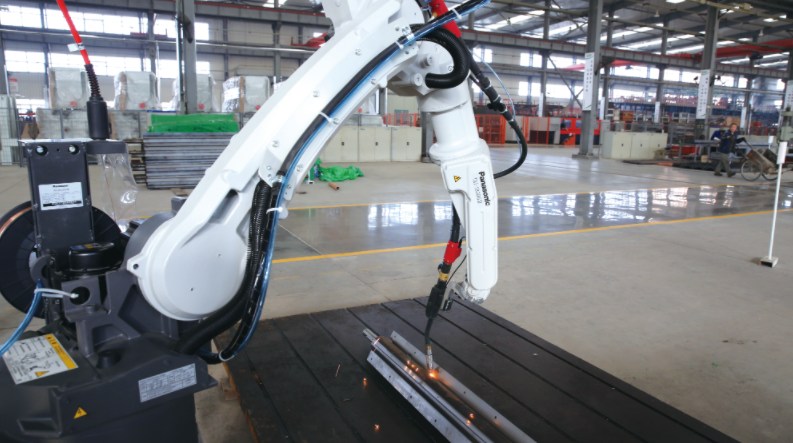
Precision manufacturing in a Swan Company production workshop, where every cotton picker component is built to last.
Step 4: Consider Total Cost of Ownership (TCO)
The purchase price is just the beginning. A high efficiency cotton picker should save money over its lifespan.
- Fuel Efficiency: A more efficient engine reduces daily operating costs.
- Parts Availability & Cost: Choose a manufacturer with a strong supply chain. Swan Company, with its four global bases, guarantees genuine parts availability for its cotton picker machine range.
- Resale Value: Brands with a reputation for quality and reliability, like Swan, typically hold their value better.
- Warranty & Support: A comprehensive warranty and accessible after-sales service (like Swan's technical support via Phone/WhatsApp: +8613791009388 or +8615169092038) are invaluable for minimizing downtime.
Step 5: Research the Manufacturer's Reputation
Your cotton picker is a long-term partner. Invest in a partner with a proven track record.
Shandong Swan Cotton Industry Machinery Stock Co., Ltd. stands out for several reasons:
- Heritage & Innovation: With roots dating back to 1946 and listed on the Shanghai Stock Exchange (603029), Swan combines decades of experience with continuous R&D, holding over 190 national invention patents.
- Global Presence, Local Support: With headquarters in Jinan and branches in Xinjiang, Inner Mongolia, and Montgomery, USA, Swan understands diverse cotton farming conditions worldwide.
- Full-System Expertise: Swan doesn't just build pickers; it provides "one-stop supply and services for the whole-process mechanization" of the cotton industry. This deep systemic knowledge informs the design of every double row cotton picker or six-row giant.
- Quality Assurance: The company's CERTIFICATE FOR CHINA COMPULSORY PRODUCT CERTIFICATION and status as a National Key Little Giant Enterprise underscore its commitment to quality and standards.
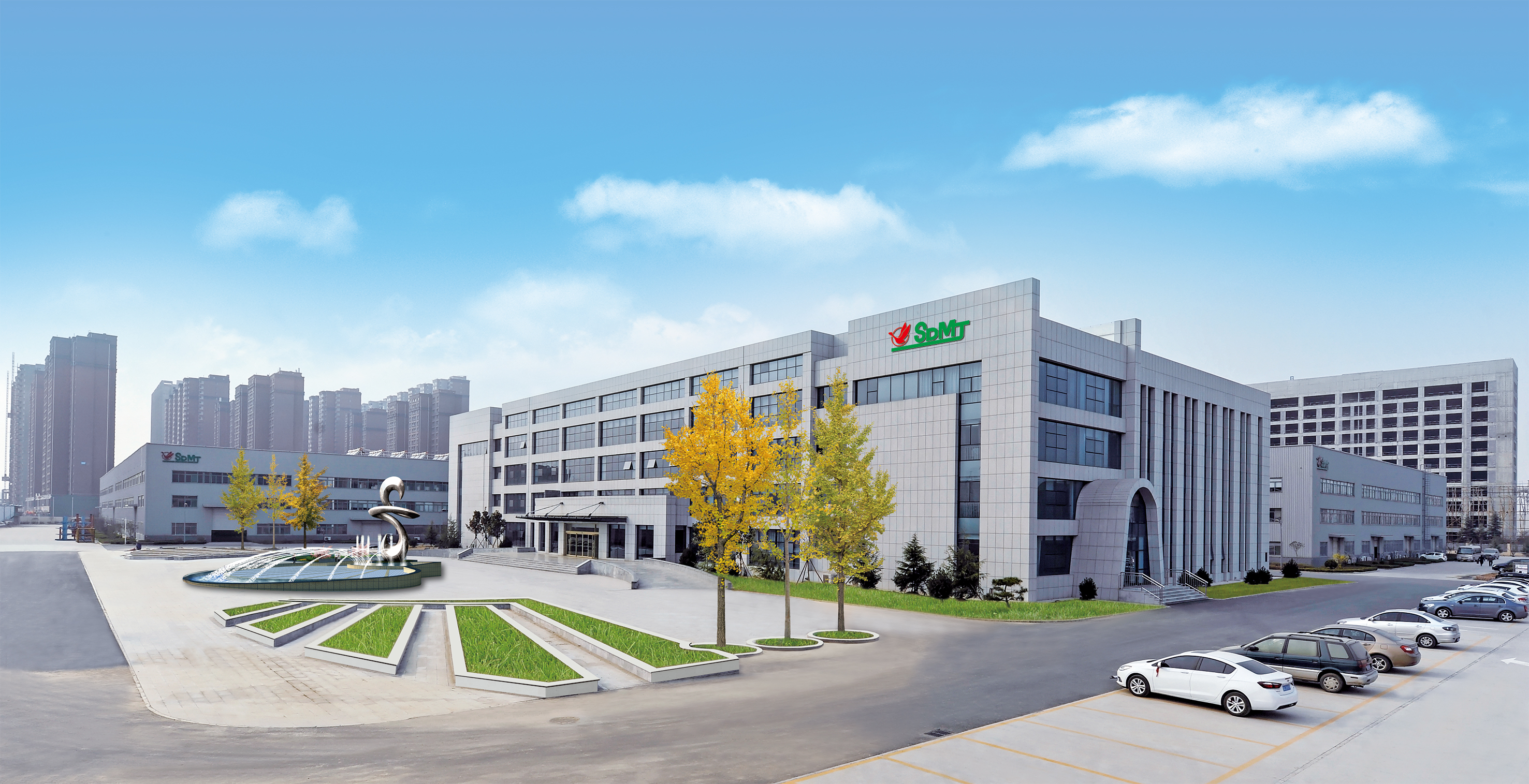
The Jinan headquarters of Shandong Swan Cotton Industry Machinery Stock Co., Ltd., a hub of agricultural machinery innovation.
Conclusion: Making an Informed Decision
Choosing the right cotton picker—be it a small scale cotton picker or a flagship automatic cotton picker—requires careful analysis of your farm's needs against the machine's capabilities. There is no one-size-fits-all solution. By methodically working through scale, system type, technical features, cost, and manufacturer credibility, you can make a choice that enhances productivity for seasons to come.
For personalized consultation on finding the ideal cotton picker for small farms or large estates, reach out to the experts at Swan Company. Explore their full range of solutions, from portable cotton picker concepts to advanced self-propelled models, on their official website: https://www.swancottonmachinery.com. Connect with them on YouTube, Facebook, and LinkedIn for the latest updates and insights into cotton harvesting technology.
Have Questions or Need More Details?
Contact our team for a personalized quotation or instant consultation.
Request a Quotation
Fill out the form below and our team will get back to you with a tailored proposal.
WhatsApp Direct Chat
Prefer to chat in real-time? Message us on WhatsApp for instant assistance & quick answers.
- Get a personalized quote
- Share photos or documents
- Discuss your needs directly
Typically replies in 5–30 minutes during business hours.