How to Choose the Right Cotton Harvester for Your Farm: A Comprehensive Guide from Swan Company
How to Choose the Right Cotton Harvester for Your Farm: A Comprehensive Guide
Selecting the perfect cotton harvester is one of the most critical decisions for modern cotton farmers. With options ranging from a Single row cotton harvester to a massive Six-row self-propelled bale type cotton harvester, the choice impacts your efficiency, cost, and ultimately, your profitability. This guide, backed by the expertise of Shandong Swan Cotton Industry Machinery Stock Co., Ltd. (Swan Company), will walk you through the key factors to consider, helping you make an informed investment for your operation.
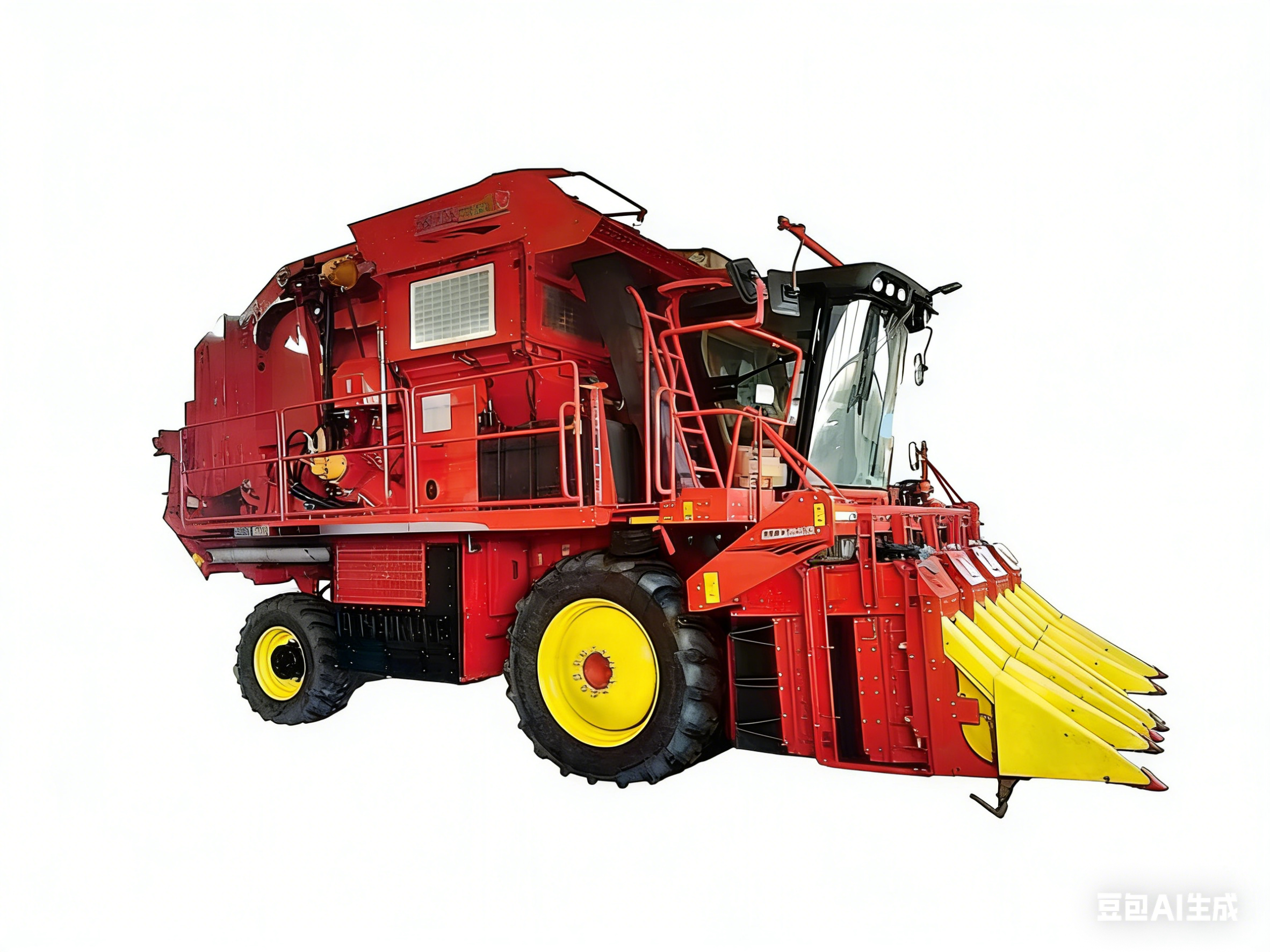
A Swan Four-row self-propelled basket type cotton harvester demonstrates efficient harvesting. Choosing the right model depends on your farm's scale and needs.
Step 1: Assess Your Farm's Scale and Field Conditions
The first step is a honest evaluation of your operation. There's no one-size-fits-all solution in mechanical cotton harvesting.
- Small to Medium Farms (Under 200 acres): A Tractor mounted cotton harvester or a Two-row cotton harvester (like a Double row cotton harvester) might offer the best balance of capability and low cost cotton harvester investment. These are versatile and easier to maneuver in smaller or irregularly shaped fields.
- Large-Scale Commercial Farms (200+ acres): High-capacity Self-propelled cotton harvester models are essential. Here, you'll choose between a Three-row self-propelled bale type cotton harvester or a Four-row self-propelled bale type cotton harvester. For the largest operations, the Six-row self-propelled bale type cotton harvester represents the peak of harvesting productivity.
- Field Layout & Crop Yield: Consider row spacing and expected yield. Dense, high-yield fields benefit from the wider heads and larger onboard storage of bale-type pickers.
Step 2: Understand the Core Types: Bale vs. Basket
This is a fundamental choice in commercial cotton harvester technology.
Bale-Type Harvesters
Models like the Four-row self-propelled bale type cotton harvester compress harvested cotton into large, round modules (bales) right in the machine. This system:
- Pros: Maximizes field time; reduces the number of support vehicles needed for transport; protects cotton from ground moisture.
- Best For: Large-scale farms with long distances between the field and the gin.
Basket-Type Harvesters
Models like the Three-row self-propelled basket type cotton harvester collect cotton in a large onboard basket, which is then dumped into a module builder or transport vehicle.
- Pros: Often have a lower initial purchase price; simpler mechanical system; good for operations with a dedicated module-building crew following closely.
- Best For: Medium-sized farms or regions where fields are closer to processing points.
Step 3: Evaluate Key Performance and Support Factors
Beyond basic type, delve into the details that affect daily operation.
- Harvesting Efficiency & Loss Rate: Look for machines with advanced spindle technology and cleaning systems that minimize cotton loss. A reputable manufacturer like Swan company invests heavily in R&D for this.
- Operator Comfort & Technology: Modern cabs with climate control, intuitive controls, and monitoring systems reduce operator fatigue and improve precision.
- Durability & Service Support: This is where a manufacturer's pedigree matters. Shandong Swan Cotton Industry Machinery, with over 70 years of history, operates a global service network from Jinan to Montgomery, USA. Check for parts availability and technical support responsiveness.
- Certifications & Quality: Ensure the equipment meets international standards. Swan Company holds the China Compulsory Product Certification (CCC) among over 190 patents, a testament to its commitment to quality and safety.

The Jinan headquarters of Shandong Swan Cotton Industry Machinery Stock Co., Ltd. (Stock Code: 603029), a leader in integrated cotton industry solutions.
Step 4: Consider the Total Cost of Ownership (TCO)
Don't just look at the sticker price. A low cost cotton harvester upfront might lead to higher costs later.
- Initial Investment: Self-propelled models are more expensive than tractor mounted ones. Bale-type systems typically cost more than basket-type.
- Operating Costs: Fuel efficiency, maintenance needs, and part longevity vary. High-quality machines from established brands often have better fuel economy and longer service intervals.
- Resale Value: Brands with a strong reputation for reliability, like Swan, tend to hold their value better in the used equipment market.
Step 5: Look at the Manufacturer's Ecosystem
A great cotton harvester is part of a larger system. Swan company exemplifies this by providing "one-stop supply and services for the whole-process mechanization" of the cotton industry. This means they understand how harvesting integrates with planting, processing, and beyond. A manufacturer that also produces Grain combine harvesters and tomato harvesters often brings cross-industry engineering insights to their cotton pickers.
Why Consider Swan Company for Your Cotton Harvester?
As a guide, it's helpful to know what a top-tier manufacturer offers. Shandong Swan Cotton Industry Machinery Stock Co., Ltd. stands out because:
- Proven Track Record: A publicly-traded company (603029) with origins dating back to 1946, leading in domestic and international market share.
- Complete Product Range: From Single row to Six-row, bale to basket type harvesters, they have a model for every need.
- Global Support Network: With production bases in China and the USA, and exports to over 30 countries, their technical and parts support is globally accessible.
- Innovation Driver: Holding numerous patents and leading in standard-setting, they focus on technological advancement for higher efficiency and lower loss rates.
For a detailed consultation on which Swan mechanical cotton harvester fits your farm, visit their official website at https://www.swancottonmachinery.com/ or contact their team via WhatsApp/Phone: Pat (+86 13791009388) or Eric (+86 15169092038).
Choosing the right cotton harvester is a strategic decision. By methodically working through these steps—assessing your scale, understanding harvester types, evaluating performance and support, calculating true costs, and selecting a partner with a strong ecosystem—you can invest in a machine that becomes a cornerstone of your farm's productivity for years to come. Remember, the best choice is the one that aligns perfectly with your specific operational reality and growth ambitions.
Have Questions or Need More Details?
Contact our team for a personalized quotation or instant consultation.
Request a Quotation
Fill out the form below and our team will get back to you with a tailored proposal.
WhatsApp Direct Chat
Prefer to chat in real-time? Message us on WhatsApp for instant assistance & quick answers.
- Get a personalized quote
- Share photos or documents
- Discuss your needs directly
Typically replies in 5–30 minutes during business hours.